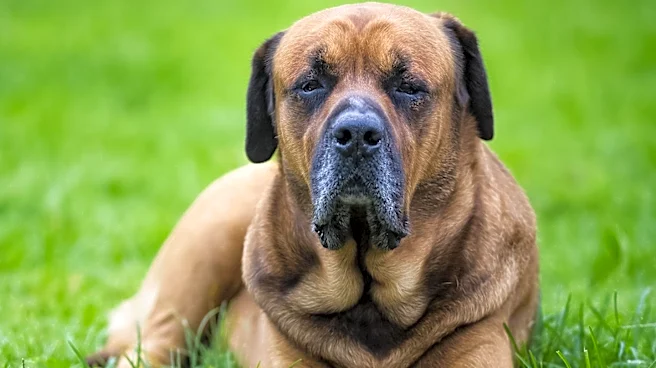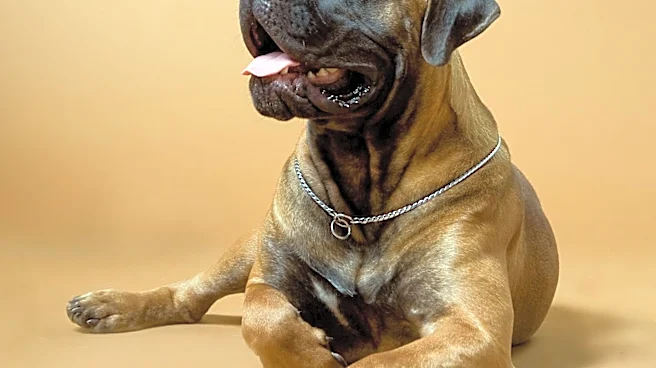







The Bullmastiff is a breed with a rich history rooted in the United Kingdom. Developed in the 19th century, this large and powerful dog was specifically bred for guarding purposes. The breed's origins and development are fascinating, reflecting a blend of different canine lineages to create a dog that is both formidable and loyal.
Early Beginnings
The Bullmastiff was developed in the United Kingdom as a response to the need for a reliable guard dog. In the 19th century,
gamekeepers required a dog that could protect estates from poachers. The initial attempts to create such a breed involved crossing Mastiffs with Bulldogs, as well as other breeds like the Irish Wolfhound and the Great Dane. However, these early efforts did not yield the desired results.
It was Sam Mosley who eventually succeeded in creating the Bullmastiff by focusing solely on the Bulldog and Mastiff breeds. This combination proved effective, resulting in a dog that was not only powerful and agile but also had the temperament needed for guarding duties. The Bullmastiff was initially used to track and capture poachers, showcasing its strength and intelligence.
Recognition and Standardization
The Bullmastiff was officially recognized as a distinct breed in 1924. This recognition marked a significant milestone in the breed's development, as it allowed for the establishment of breed standards and formal breeding programs. The breed was classified under the FCI's Group 2, which includes Pinscher and Schnauzer types, molossoids, and Swiss mountain dogs.
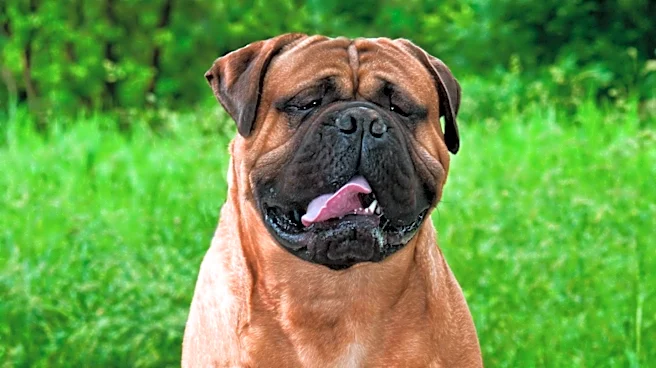
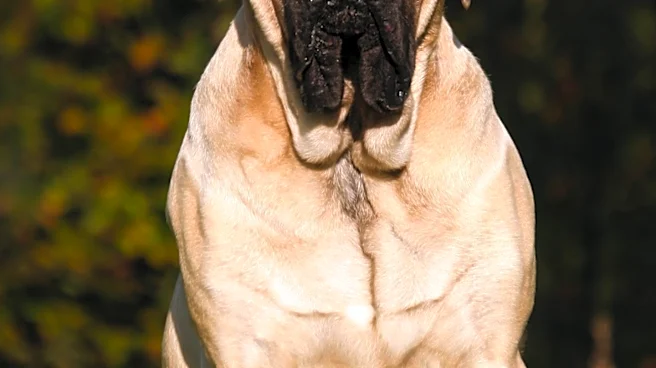
The breed standard emphasizes the Bullmastiff's powerful and symmetrical build, with males standing between 64 to 69 cm tall and weighing 50 to 59 kg. Females are slightly smaller, with a height of 61 to 66 cm and a weight of 41 to 50 kg. The breed's coat can be fawn, red, or brindle, with a distinctive black mask.
The Bullmastiff Today
Today, the Bullmastiff is known for its balanced temperament and suitability as a family companion. Despite its imposing size, the breed is known for being calm, patient, and affectionate. It is important to socialize Bullmastiffs from a young age to ensure they are well-adjusted and comfortable around people and other animals.
The Bullmastiff's role has evolved from a gamekeeper's assistant to a beloved family pet. Its history as a guard dog is still evident in its protective nature, making it an excellent choice for those seeking a loyal and watchful companion. The breed's development over the years highlights the careful selection and breeding practices that have shaped it into the dog we know today.