





Shock absorbers are fundamental devices engineered to manage and dissipate kinetic energy, primarily by converting it into heat. This core function is vital for dampening vibrations and impacts across a multitude of applications. While the basic principle remains consistent, the methods and technologies employed have evolved significantly, leading to a diverse range of designs from purely mechanical systems to sophisticated electronically controlled
units. The continuous drive for improved performance, safety, and comfort has spurred innovation, resulting in specialized shock absorbers tailored for specific operational demands.
Early Designs and Mechanical Ingenuity
Historically, shock absorber technology relied on mechanical principles to achieve damping. The Friction disk shock absorber, for instance, represents an early approach where friction between disks was utilized to resist motion and dissipate energy. Similarly, the Lever arm shock absorber, as its name suggests, uses a lever mechanism to transfer forces to a damping unit, often involving hydraulic fluid. These designs, while effective for their time, laid the groundwork for more advanced systems. The Hartford shock absorber and André Hartford are associated with these foundational developments, indicating the early pioneers who contributed to the field.
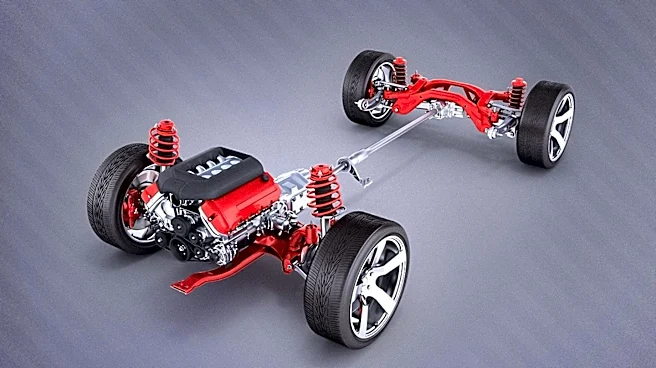
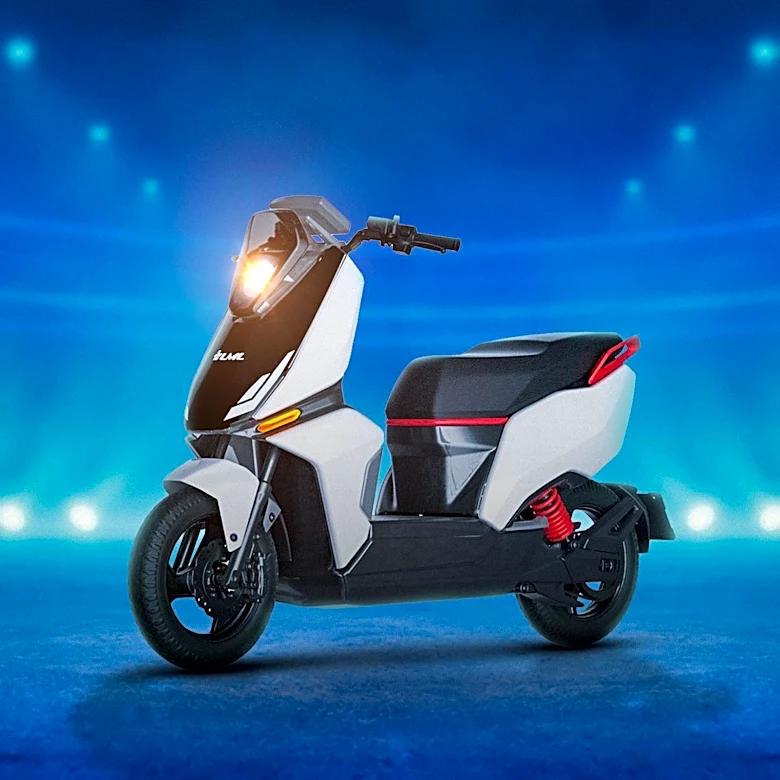
Another significant mechanical design is the Telescopic shock absorber, which is widely used due to its compact and efficient linear operation. This type typically consists of two tubes, one sliding within the other, with hydraulic fluid and valves controlling the damping resistance. The Vane shock absorber offers a different mechanical approach, using a rotating vane within a fluid-filled chamber to create resistance against movement. These mechanical innovations demonstrate the ingenuity in harnessing physical principles to control unwanted motion and enhance stability in various applications, particularly in automotive and motorcycle suspension systems.
The Rise of Electronic and Adaptive Systems
The advent of electronics has revolutionized shock absorber technology, leading to systems that can adapt to changing conditions in real-time. Regenerative shock absorbers represent a cutting-edge development, capable of converting kinetic energy not just into heat, but into electricity, offering potential for improved energy efficiency. This innovation moves beyond mere energy dissipation to energy harvesting, marking a significant step forward.
Further advancements are seen in systems like the Magnetorheological damper, which employs a special fluid whose viscosity can be rapidly altered by an electromagnetic field. This allows for instantaneous adjustments to damping characteristics, providing superior control and responsiveness. In the automotive sector, technologies such as Speed Dependent Damping Control, Toyota Electronic Modulated Suspension, and Toyota Super Strut suspension exemplify the integration of electronic control units to dynamically manage suspension behavior. These adaptive systems can optimize ride comfort, handling, and safety by continuously monitoring driving conditions and adjusting damping forces accordingly, showcasing the sophisticated evolution of shock absorber technology from simple mechanical devices to intelligent, responsive components.