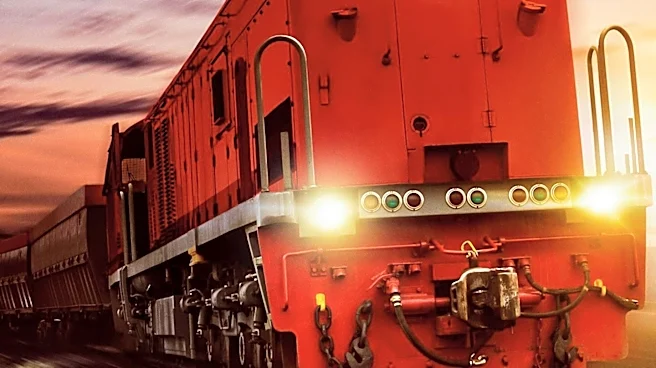











Diesel fuel, a cornerstone of modern industry, has a rich history rooted in the experiments of Rudolf Diesel. Originally designed for use in diesel engines, this fuel has evolved significantly since its inception, becoming a vital component in transportation and industry worldwide. Its development and standardization have played a crucial role in shaping the efficiency and sustainability of modern engines.
Origins and Development
The origins of diesel fuel can be traced back
to Rudolf Diesel's experiments with his compression-ignition engine, invented around 1892. Diesel's initial concept was that his engine could operate on any type of fuel, regardless of its state. However, the first diesel engines were specifically designed for liquid fuels. Over time, the need for a standardized fuel with good compression ignition characteristics became apparent, leading to the development of diesel fuel as we know it today.
Before standardization, diesel engines often ran on cheap fuel oils, which varied significantly in quality. The introduction of motor-vehicle diesel engines in the 1930s necessitated higher-quality fuels with proper ignition characteristics. Post-World War II, modern high-quality diesel fuels were standardized, ensuring consistent performance and efficiency across different engines and applications.
Standardization and Modern Use
In many countries, diesel fuel is now standardized to ensure quality and performance. For example, the European Union uses the EN 590 standard, while ultra-low-sulfur diesel (ULSD) is prevalent in North America and Europe. These standards have helped reduce emissions and improve engine efficiency, making diesel fuel a more environmentally friendly option.
Diesel fuel is widely used in various applications, from heavy trucks and buses to marine engines and locomotives. Its high energy density and efficiency make it ideal for long-haul transportation and industrial use. Despite its benefits, diesel exhaust, particularly from older engines, can pose health risks, prompting ongoing efforts to reduce emissions and improve fuel quality.
The Future of Diesel Fuel
As the world moves towards more sustainable energy sources, the role of diesel fuel is evolving. Biodiesel, derived from vegetable oils or animal fats, offers a renewable alternative to traditional diesel fuel. It can be used in pure form or blended with conventional diesel, reducing reliance on fossil fuels and lowering emissions.
Synthetic diesel, produced from natural gas or other carbonaceous materials, is another promising development. This fuel offers low sulfur and aromatic content, making it a cleaner option for modern engines. As technology advances, the continued evolution of diesel fuel will play a critical role in balancing energy needs with environmental concerns, ensuring its place in the future of transportation and industry.