






Los Angeles, a city often defined by its entertainment industry and diverse population, is also a place subject to numerous perceptions, some accurate and others less so. From its sprawling geography to its demographic makeup and even its sports affiliations, Los Angeles frequently finds itself at the center of discussions that highlight the complexities of defining a major global city. These debates often stem from the sheer scale and multifaceted
nature of the region, leading to differing interpretations of what truly constitutes "Los Angeles."
Challenging the Image: Beyond the Skyline and Hollywood
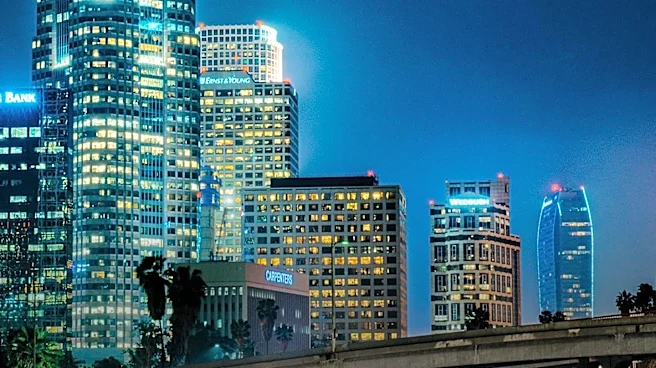
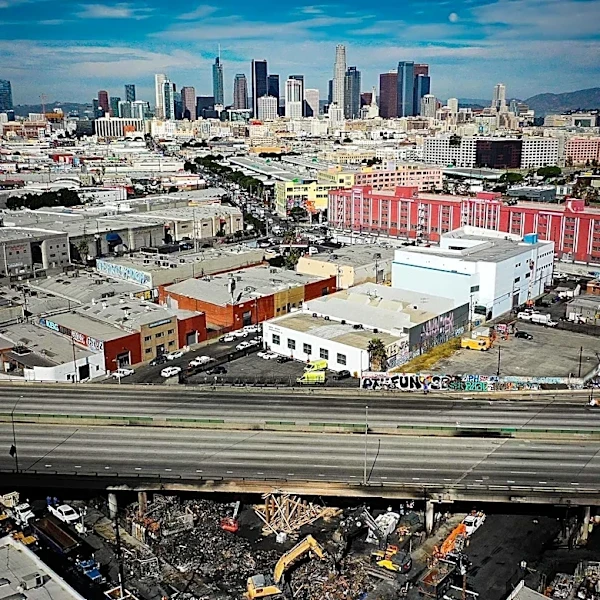
For many outside the region, the image of Los Angeles is often dominated by its iconic Hollywood sign, downtown skyline, or palm-lined streets. However, this can lead to a narrow understanding of the city's true character. Some observers, particularly those from East Coast cities, have historically viewed Los Angeles as less of a "true city" and more of a vast, car-centric expanse. This perception is slowly changing as the city invests in public transit and its urban core continues to develop, revealing a more traditional city feel in certain areas.
Despite its reputation, Los Angeles's skyline, while impressive, is sometimes considered less so than Chicago's, even though Los Angeles is the second-largest city in the U.S. This highlights how perceptions can be subjective and influenced by various factors beyond mere size. The city's landmarks and attractions, often seen in movies, are sometimes mistakenly placed within city limits when they are actually in neighboring cities, such as Disneyland and Six Flags. This constant need to clarify geographical boundaries underscores the challenge of presenting a comprehensive and accurate picture of Los Angeles to a broad audience.
The Numbers Game: Demographics and Population Disputes
Demographic data for Los Angeles is a frequent source of discussion and occasional contention. Claims about the city's racial and ethnic makeup, such as having the largest Mexican community outside Mexico City or being the second-largest city for various nationalities, are common but often require careful scrutiny and sourcing. For instance, while Los Angeles has a significant Hispanic population, the exact proportion of Mexican-born residents compared to other cities like Guadalajara can be debated based on how "Mexican community" is defined.
Furthermore, the overall population figures for Los Angeles are subject to ongoing debate between official U.S. Census Bureau numbers and estimates from local agencies. Local estimates, such as those from the California Department of Finance, sometimes project higher populations, leading to claims that the city has surpassed milestones like four million residents. However, for the sake of consistency across Wikipedia articles, U.S. Census data is typically preferred, even if it is perceived by some as an undercount due to its methodology not fully accounting for all residents, such as undocumented immigrants. This creates a tension between official, consistent data and potentially more current or comprehensive local estimates.
Sports Affiliations and Media Market Boundaries
The question of which sports teams truly represent Los Angeles is another recurring debate, particularly when teams are located outside the city limits but operate within the broader Los Angeles media market. The Los Angeles Angels of Anaheim and the Anaheim Ducks are prime examples. Despite playing in Anaheim, they market themselves to the Los Angeles area and are covered by Los Angeles newspapers, radio, and TV outlets. This leads to arguments about whether they should be included in discussions about Los Angeles sports teams.
This situation is not unique to Los Angeles, as similar discussions occur with teams like the New Jersey Giants and Jets, which are considered New York teams despite playing in New Jersey. The definition of a team's market area often extends beyond municipal boundaries, encompassing a wider media market. However, for an article specifically about the City of Los Angeles, the inclusion of teams from neighboring cities can be seen as blurring the lines between the city and the larger metropolitan area, prompting calls for clearer distinctions or separate articles for regional sports.
Environmental Concerns and Urban Planning
Beyond its immediate characteristics, Los Angeles also faces discussions about its long-term environmental challenges and urban planning. Concerns about climate change and rising sea levels, for instance, prompt questions about the city's vulnerability. While the average elevation of Los Angeles is considerably higher than many other coastal U.S. cities, low-lying areas around Venice, Marina del Rey, and Long Beach could be impacted, necessitating disaster planning. The potential loss of critical infrastructure like LAX, which is at 126 feet, is a serious consideration.
The city's car-centric design, characterized by numerous highways and broad streets, also sparks debate. While some argue that this infrastructure allows for efficient travel, others point to the need for personal vehicles and the potential for traffic jams, particularly in areas like Hollywood, the Westside, and Downtown. The ongoing efforts to improve the train system, with new lines and enhanced services, represent a shift towards a more balanced transportation network, addressing criticisms of a purely car-driven culture and aiming to improve urban mobility.