

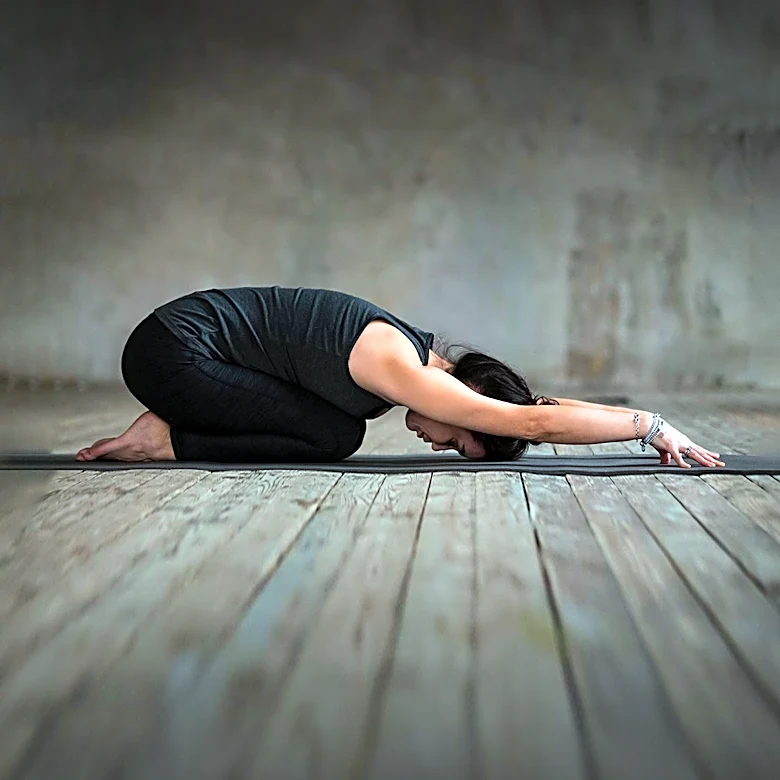

Balasana, commonly known as the Child's Pose, is a fundamental posture in modern yoga practice. This kneeling asana serves as a counterpose to various other asanas and is often practiced before and after Sirsasana, or the Headstand. Despite its simplicity, Balasana offers numerous benefits and variations that cater to different needs and preferences.
The Origins and Meaning of Balasana
The name Balasana is derived from the Sanskrit words "bala," meaning "child," and "asana," meaning "posture"
or "seat." Although Balasana is a staple in contemporary yoga, it was not described until the 20th century. A similar pose appeared in Niels Bukh's 1924 Primary Gymnastics, indicating its roots in physical exercise traditions.
Ananda Balasana, or the Happy Baby Pose, is illustrated as Kandukasana (Ball Pose) in the 19th-century Sritattvanidhi, showcasing the evolution of yoga postures over time. The Child's Pose is characterized by its simplicity and accessibility, making it a popular choice for practitioners of all levels.
Practicing Balasana: Technique and Benefits
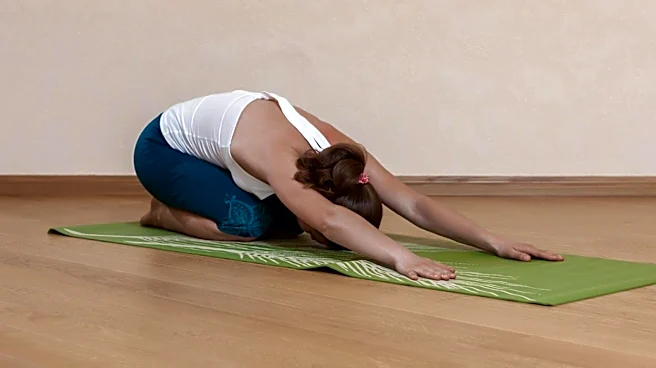
To perform Balasana, one begins in a kneeling position, bringing the forehead to the floor and relaxing the arms alongside the body with palms facing upwards. This posture encourages relaxation and introspection, providing a moment of rest and recovery during a yoga session.
Balasana is particularly beneficial as a counterpose to more strenuous asanas, helping to stretch the back and hips while promoting calmness and focus. It is often used to transition between poses, allowing practitioners to center themselves and maintain a steady breath.
Variations and Adaptations of Balasana
Balasana offers several variations to accommodate different needs. During pregnancy or if there is discomfort, the knees can be spread wider for added comfort. The arms may be stretched forward in front of the head, enhancing the stretch in the back and shoulders.
For those experiencing discomfort in the neck and shoulders, a rolled blanket can be placed on the backs of the lower legs, allowing the forearms to be stacked and the forehead rested on them. This adaptation provides additional support and relaxation.
Uttana Shishosana, or the Extended Puppy Pose, is a variation that stretches forward from all fours until the forearms and forehead rest on the floor, with thighs vertical. This pose serves as an intermediate position between Balasana and Adho Mukha Shvanasana (Downward Dog Pose), offering a deeper stretch.