




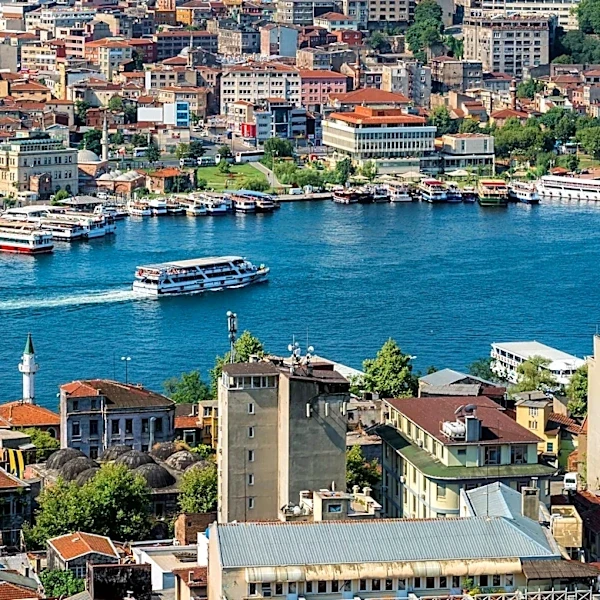





Turkey is a country steeped in cultural richness and historical significance. With a diverse population and a unique blend of traditions, Turkey offers a vibrant cultural landscape. It is home to numerous UNESCO World Heritage sites and boasts a rich culinary tradition that reflects its diverse heritage. This article delves into the cultural aspects that make Turkey a fascinating destination for visitors from around the world.
UNESCO World Heritage Sites
Turkey is home to several
UNESCO World Heritage sites, each offering a glimpse into the country's rich history and cultural diversity. These sites include ancient cities, archaeological wonders, and natural landscapes that have been preserved for their historical and cultural significance.
One of the most famous sites is the ancient city of Troy, known for its legendary role in the Trojan War. The ruins of Troy offer insights into ancient civilizations and their way of life. Another notable site is the rock sites of Cappadocia, famous for their unique geological formations and historical cave dwellings. These sites attract tourists and scholars alike, eager to explore Turkey's historical treasures.
Turkey's Diverse Cuisine
Turkish cuisine is renowned for its diversity and flavor, reflecting the country's rich cultural heritage. It is a fusion of Central Asian, Middle Eastern, Mediterranean, and Balkan influences, resulting in a unique culinary experience. Dishes like kebabs, baklava, and mezes are popular both within Turkey and internationally.
The use of fresh ingredients and traditional cooking methods is a hallmark of Turkish cuisine. Olive oil, fresh vegetables, and a variety of spices are commonly used, creating dishes that are both flavorful and healthy. Turkish tea and coffee are also integral to the country's culinary culture, often enjoyed in social settings and as part of daily life.
Intangible Cultural Heritage
In addition to its tangible heritage, Turkey is rich in intangible cultural heritage, including traditional music, dance, and crafts. Turkish folk music and dance are integral to cultural celebrations and festivals, showcasing the country's diverse regional traditions.
Traditional crafts such as carpet weaving and ceramics are also significant aspects of Turkey's cultural heritage. These crafts have been passed down through generations, preserving ancient techniques and designs. The artistry involved in these crafts is a testament to Turkey's rich cultural history and its commitment to preserving its heritage.
In conclusion, Turkey's cultural richness is evident in its UNESCO World Heritage sites, diverse cuisine, and vibrant traditions. These elements combine to create a unique cultural landscape that attracts visitors from around the world, eager to experience the country's historical and cultural treasures.