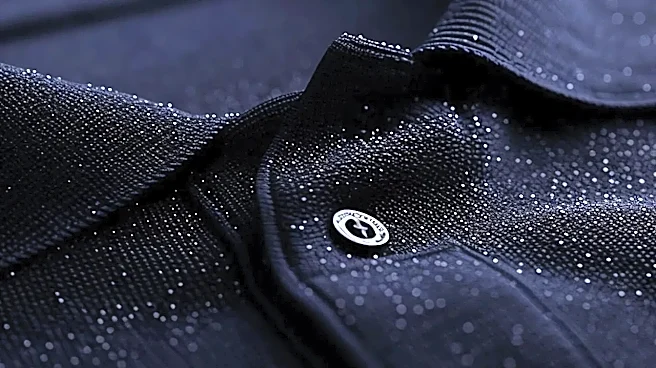








Compression clothing, often referred to colloquially as "compressions," represents a modern category of functional apparel that has found significant utility across diverse fields. While increasingly popular among athletes for enhancing performance and aiding recovery, these tight-fitting garments also play a crucial role in medical applications, particularly in preventing conditions like blood clots and swelling. The design and material science behind
compression wear allow it to exert pressure on the body, leading to a range of physiological benefits that are leveraged in both strenuous physical activity and therapeutic contexts.
Enhancing Athletic Performance and Recovery
For athletes, compression clothing is utilized both during and after physical exertion. During activity, the specific weaving methods employed in these garments are primarily aimed at boosting performance and preventing muscle cramps. One key mechanism involves accelerating the venous return of blood from the legs back to the heart. This improved circulation significantly reduces the accumulation of toxins in the legs, a common issue during prolonged performances. By mitigating toxin buildup, athletes can experience less fatigue and maintain higher levels of performance over extended periods.
Furthermore, the use of compression sleeves and other garments helps to eliminate the occurrence of cramps and injuries, facilitating recovery even during the course of a workout or competition. Compression clothing is engineered to minimize the shocks and vibrations generated when running on hard surfaces. This preventative action helps guard against muscle fiber tears and joint pain, contributing to greater efficiency in combating muscle stiffness and soreness, as well as issues with tendons and other tissues. This reduction in impact also lowers the risk of injury, allowing athletes to train and compete more effectively. The sensation of strength, firmness, and muscle support provided by wearing compression clothing during performance is also a noted benefit for athletes.
Medical Applications and Therapeutic Benefits
Beyond the athletic arena, compression garments are vital tools in medical treatment and prevention. Their ability to apply controlled pressure makes them effective in managing various health conditions. For instance, they are frequently prescribed to prevent the formation of blood clots, especially in individuals who may be at higher risk due to surgery, prolonged immobility, or certain medical conditions. The external pressure helps maintain healthy blood flow, reducing the likelihood of blood pooling and subsequent clot development.
Another significant medical application is the reduction of swelling. Compression garments can help manage edema by encouraging fluid movement and preventing excessive fluid accumulation in tissues. This is particularly beneficial for conditions affecting the limbs, where swelling can cause discomfort, restrict movement, and impede healing. In medical contexts, the level of compression required is often higher than that found in athletic wear and typically necessitates a prescription to ensure appropriate and safe application. The precise pressure exerted by these garments is critical for their therapeutic efficacy, making professional guidance essential for their medical use.
The Role of Spandex in Compression Garments
The exceptional elasticity of fibers like spandex is a key factor in the functionality of compression clothing. Spandex fibers enhance the clothing's pressure comfort, which in turn improves the ease of body movements. Pressure comfort refers to the human body's pressure receptor response to clothing, influenced by factors such as stretch, snugness, and the material's overall structure. The elasticity and strength of spandex, which can stretch up to five times its length and return to its original shape, make it ideal for the skin-tight garments characteristic of compression wear. While spandex is a crucial component, it typically accounts for a small percentage of the final fabric when mixed with materials like cotton or polyester, allowing the garment to retain the aesthetic and feel of the other fibers while benefiting from spandex's elastic properties. This blend ensures both comfort and the necessary compressive qualities.