





The *Perry Mason* television series, which aired from 1957 to 1966, became renowned for its distinctive and highly effective narrative formula. This consistent structure, often directly adapted from Erle Stanley Gardner's detective fiction, allowed the show to deliver compelling legal mysteries week after week. At its core, the series revolved around a wrongful accusation, a parallel investigation, and a dramatic courtroom revelation, all orchestrated
by the brilliant criminal defense lawyer, Perry Mason. This predictable yet satisfying pattern was a key factor in the show's enduring popularity and its ability to keep audiences engaged for nine seasons.
The Setup: Client, Crime, and Accusation
Each typical *Perry Mason* episode began by introducing a client, who might initially seek Mason's help for a non-murder-related issue or become acquainted with him in another way. Alongside the client, the prospective murder victim and other significant figures in the case were introduced, setting the stage for the impending crime. Inevitably, a murder would occur, and Mason's client would be wrongly accused. This initial setup immediately established the central conflict and Mason's role as the defender of the innocent. The show consistently portrayed Mason's clients as victims of circumstance, caught in a web of suspicion despite their innocence.
Once the crime was committed, the narrative split into two parallel investigations. On one side, Lieutenant Arthur Tragg, the homicide detective (or other homicide detectives in later seasons), and District Attorney Hamilton Burger worked to gather evidence against Mason's client. On the other side, Mason, assisted by his confidential secretary Della Street and private investigator Paul Drake, launched their own efforts to exonerate the accused. This dual investigative approach allowed for the gradual unfolding of clues and the building of tension, as Mason's team often seemed to be facing an increasingly hopeless effort against the seemingly overwhelming evidence presented by the prosecution.
The Courtroom Showdown and Revelation
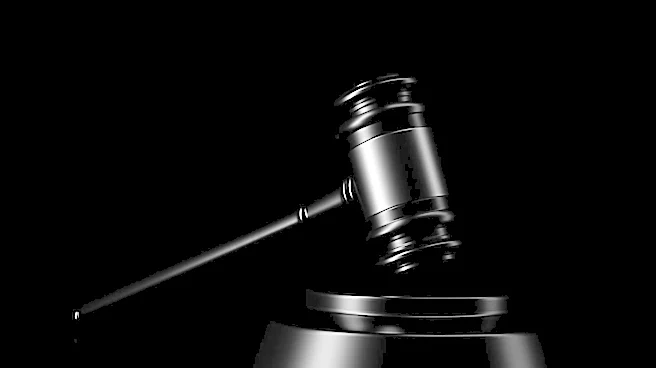
The heart of almost every *Perry Mason* episode lay in the courtroom. The second half of the show was typically dedicated to the legal sparring between Mason and Burger, often taking place during a preliminary hearing. Mason's primary technique was to clear his client before they were bound over for a full trial, making jury trials a rare occurrence, with "The Case of the Terrified Typist" being an exception. As the courtroom proceedings advanced, Burger and Tragg frequently uncovered new evidence or witnesses that appeared to seal the fate of the accused. However, Mason's team continued their parallel investigation, often uncovering the morally questionable or even illegal conduct of some witnesses or participants, thereby complicating the case's intrigue.
The climax of the episode invariably involved Mason's ingenious unraveling of the truth. Some detail would be uncovered, a different interpretation of the evidence would emerge, or a crucial remark would be made, providing Mason with the necessary clue to identify the real murderer. Armed with this new insight, Mason would then embark on a line of questioning that often led the surprise perpetrator to break down and confess to the crime directly in the courtroom. This dramatic confession was a hallmark of the series, providing a satisfying resolution to the complex legal puzzle. In the closing scene or epilogue, Paul, Della, and sometimes Burger and Tragg, would inquire about the clue that led Mason to the truth, followed by Mason's explanation and a humorous concluding remark, reinforcing the show's consistent and beloved formula.