


Paratha, a distinctive layered flatbread originating from the Indian subcontinent, stands out in the world of breads due to its unique preparation and versatile nature. Unlike its close relative, chapati, paratha is characterized by its multiple layers and the incorporation of fat, typically oil or ghee, which contributes to its flakier texture and richer crumb. This unleavened, wheat-based bread is not just a staple but a culinary canvas, enjoyed
across various meals and adapted into numerous regional forms, from simple plain versions to elaborately stuffed varieties.
The Art of Layering: Preparation and Texture
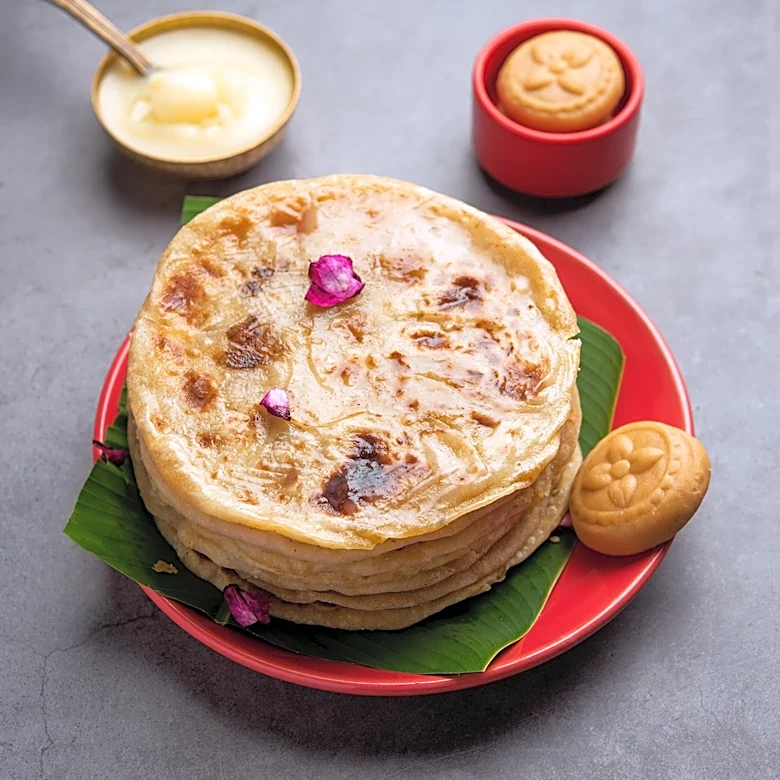
The creation of a paratha is a meticulous process that gives it its signature layered structure. The dough, usually made from atta (whole wheat flour), water, and salt, is kneaded by hand. After kneading, it is rolled out and brushed with oil or ghee, then folded. This lamination process is repeated two or more times, often resulting in a triangular shape with four to six layers, though it can also be folded into circles or squares. This repeated folding and application of fat are crucial for developing the distinct layers that separate during cooking, giving the paratha its soft, flaky texture, much like a puff pastry, though it does not rise in the same way.For stuffed parathas, the method differs slightly. Instead of lamination, the dough is shaped into balls, a filling is placed inside, and then the dough is rolled out. Both plain and stuffed parathas are traditionally shallow-fried on a tava, a type of iron griddle, until they turn golden brown. Sometimes, especially by street vendors, parathas are fried in a shallow pan filled with oil, which results in a higher fat content. The frying process, rather than baking, contributes to a slightly crispy exterior, and the steam generated during cooking helps separate the internal crust and crumb layers.
A Bread of Many Names and Forms
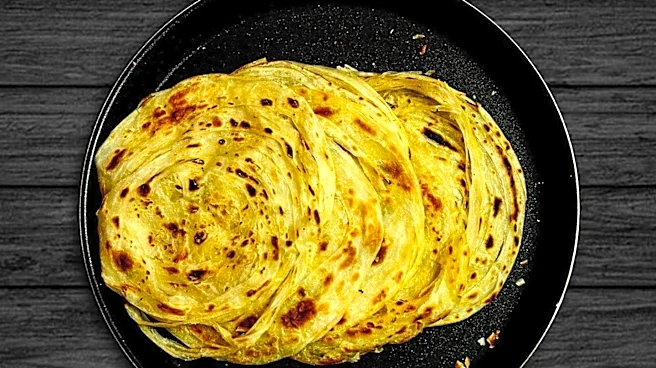
The word "paratha" itself is derived from Hindi, with "para" meaning 'layer,' directly referencing its defining characteristic. While commonly known as paratha in Indian English, the bread has various spellings and names across different regions. These include parantha, prantha, parata, prata, and parotta. Its influence extends beyond the Indian subcontinent; in Myanmar, it's known as palata, and in Mauritius, it's called farata. Interestingly, in Gulf countries and East Africa, breads referred to as chapati often bear a closer resemblance to paratha.Regional variations highlight the versatility of paratha. Lachha paratha, for instance, is known for its spiraling layers. Stuffed versions are incredibly popular and diverse, featuring fillings like aloo (potatoes), gobhi (cauliflower), mooli (radish), methi (fenugreek leaves), and keema (minced meat). Paratha also serves as a base for popular wraps such as the kathi roll and paratha roll, showcasing its adaptability in different culinary contexts.
Distinguishing Paratha from Other Flatbreads
While paratha shares similarities with other Indian flatbreads like chapati, key differences set it apart. The primary distinction lies in the use of oil or ghee and the multiple layers in paratha, which are absent in chapati. This makes paratha slightly thicker and denser, with a more prominent crumb. The fat in paratha's crumb and its coverage facilitate more thorough heat transfer during cooking, affecting its starch properties. The starch granules in paratha's crumb are deformed and shrunken compared to those in chapati, contributing to its unique texture.Another notable variant is the South Indian parotta, which is distinct from its North Indian counterpart. South Indian parotta is typically made from maida (refined flour), resulting in a more tender and flaky bread, whereas North Indian paratha commonly uses atta (whole wheat flour). Although both use fat for layering, the folding techniques can differ. The Gujarati bread thepla offers another interesting comparison, described as a cross between paratha and chapati, further illustrating the rich diversity within the flatbread family of the Indian subcontinent.