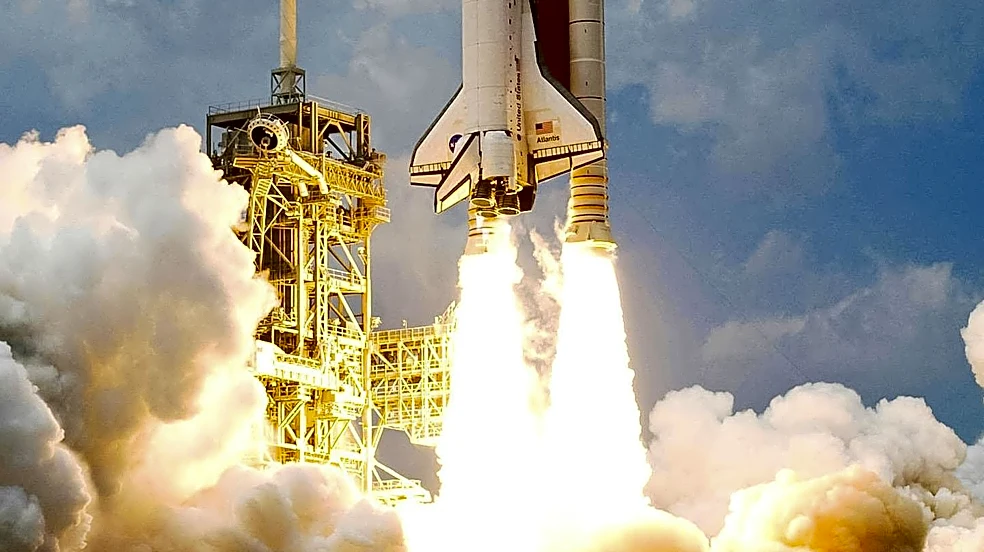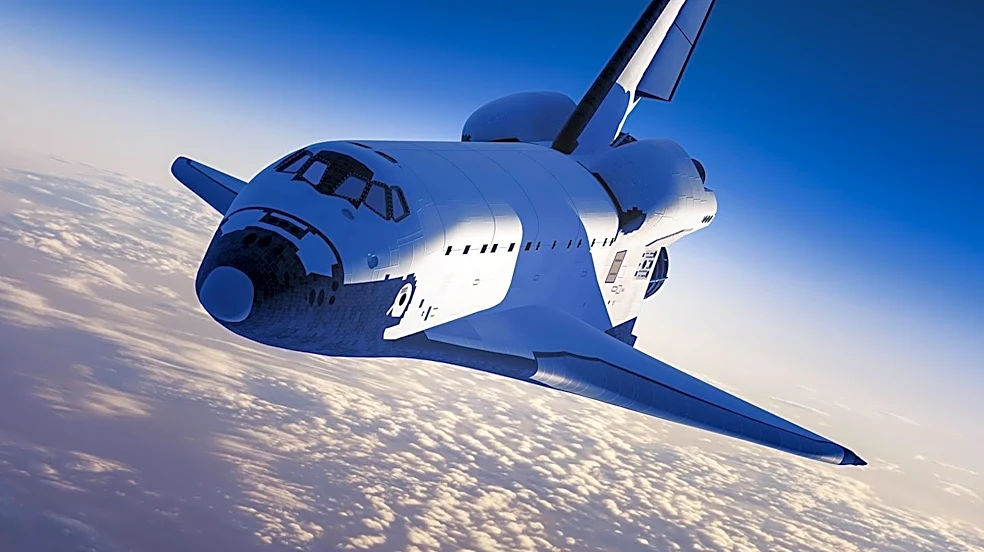




NASA's Space Shuttle Columbia embarked on the STS-52 mission on October 22, 1992, for a journey that would span over nine days. This mission was a complex undertaking, designed to achieve a variety of scientific objectives ranging from satellite deployment to microgravity research and Earth observation. The crew, including astronauts like Steven MacLean, played a crucial role in executing these diverse experiments and deployments, making STS-52 a significant
chapter in space exploration history. The mission's success hinged on the precise operation of numerous payloads, each contributing to a broader understanding of space, physics, and Earth's environment.
Deploying LAGEOS-2 and Microgravity Research
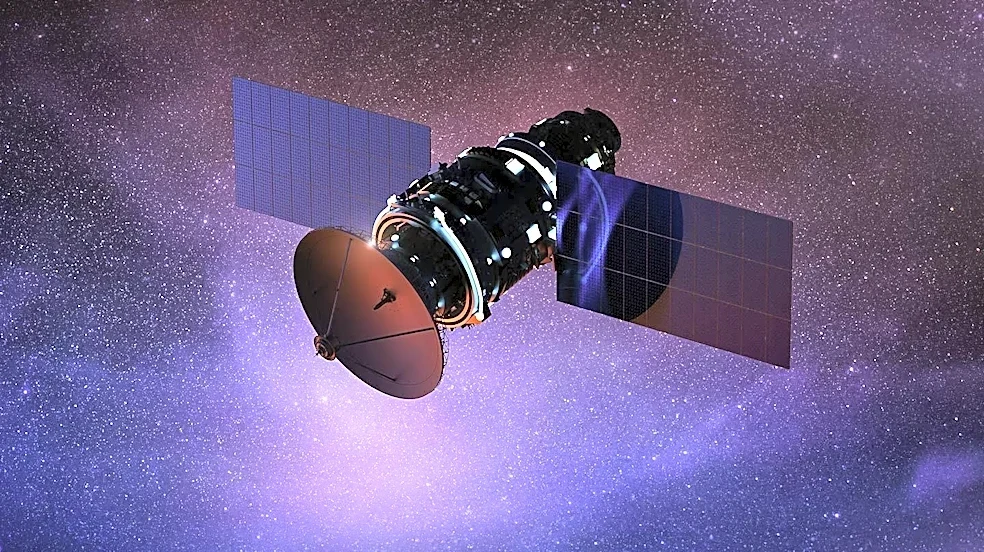
The primary goals of STS-52 were twofold: the deployment of the Laser Geodynamics Satellite 2 (LAGEOS-2) and the operation of the U.S. Microgravity Payload-1 (USMP-1). LAGEOS-2 was a collaborative project between NASA and the Italian Space Agency (ASI), designed to provide precise measurements for geodynamics research. On the second day of the mission, LAGEOS-2 was successfully deployed and initially boosted into an elliptical orbit by ASI's Italian Research Interim Stage (IRIS). Later, its apogee kick motor circularized the satellite's orbit to its operational altitude of 3,700 miles (5,900 km).
Simultaneously, the USMP-1 was activated on the first day of the mission. This payload consisted of three distinct experiments mounted on two connected Mission Peculiar Equipment Support Structures (MPESS) within the orbiter's cargo bay. These experiments included the Lambda Point Experiment, MEPHISTO (Matériel pour l'Étude des Phénomènes Intéressant la Solidification sur et en Orbite), sponsored by the French agency Centre National d'Études Spatiales (CNES), and the Space Acceleration Measurement System (SAMS). These investigations aimed to study fundamental physics and material science in the microgravity environment of space, providing valuable data on solidification processes and the subtle accelerations experienced in orbit.
Canadian and European Contributions to STS-52
Beyond the primary objectives, STS-52 also carried a suite of secondary payloads, highlighting international collaboration in space research. The Canadian experiment (CANEX-2) was a significant component, with instruments located in both the orbiter's cargo bay and middeck. CANEX-2 encompassed several experiments, including the Space Vision System (SVS), Materials Exposure in Low-Earth Orbit (MELEO), Queen's University Experiment in Liquid-Metal Diffusion (QUELD), Phase Partitioning in Liquids (PARLIQ), Sun Photospectrometre Earth Atmosphere Measurement-2 (SPEAM-2), Orbiter Glow-2 (OGLOW-2), and Space Adaptation Tests and Observations (SATO). To support the SVS experiments, a small, specially marked satellite called the Canadian Target Assembly (CTA) was deployed on the ninth day of the mission.
Another international contribution came from the European Space Agency (ESA) with the ASP payload. This featured three independent sensors mounted on a Hitchhiker plate in the cargo bay: the Modular Star Sensor (MOSS), Yaw Earth Sensor (YES), and Low Altitude Conical Earth Sensor (LACES). These sensors were designed to test and validate technologies for attitude determination and Earth observation, further enhancing the mission's scientific breadth.
Diverse Middeck Experiments and Unique Cargo
The middeck of the Space Shuttle Columbia was also packed with a variety of experiments, reflecting the diverse scientific interests of the mission. These included Commercial Materials Dispersion Apparatus Instrument Technology Associates Experiments, a Commercial Protein Crystal Growth experiment, and the Chemical Vapor Transport Experiment Heat Pipe Performance Experiment (CVTEHPPE). Life sciences research was also conducted with the Physiological Systems Experiment (PSE), which involved 12 rodents, providing insights into the effects of spaceflight on biological systems. The Shuttle Plume Impingement Experiment (SPIE) investigated the interaction of the orbiter's thruster plumes with other spacecraft or surfaces.
In a unique role, the orbiter itself served as a reference point for calibrating an Ultraviolet Plume Instrument on an orbiting Strategic Defense Initiative Organization (SDIO) satellite. This demonstrated the versatility of the Space Shuttle as a platform for supporting other space assets. Additionally, the Tank Pressure Control Experiment/Thermal Phenomena (TPCE/TP) was housed in a Getaway Special (GAS) canister within the cargo bay, exploring fluid dynamics and thermal management in space. In a poignant gesture, some of the ashes of Star Trek creator Gene Roddenberry were also carried aboard the orbiter for the entire duration of the mission, adding a unique, symbolic element to the scientific endeavor.