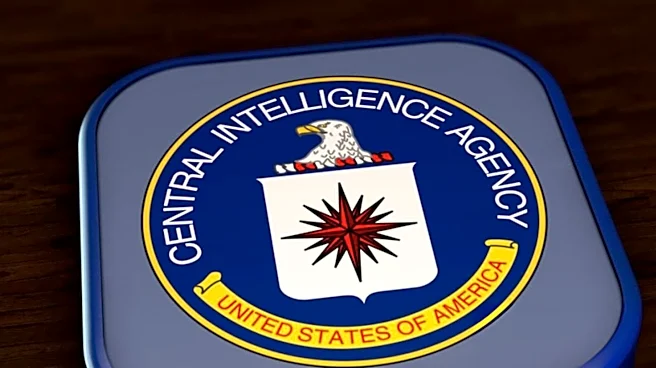










The Central Intelligence Agency (CIA) has been at the center of numerous controversies throughout its history. From allegations of political assassinations to involvement in regime changes, the agency's actions have often sparked debate and criticism. This article explores some of the most significant controversies surrounding the CIA, shedding light on the debates that have shaped public perception of the agency.
Political Assassinations and Regime Changes
One of the most contentious aspects
of the CIA's history is its involvement in political assassinations and regime changes. The agency has been accused of orchestrating coups and supporting the overthrow of democratically elected governments. Notable examples include the 1953 coup in Iran, which saw the overthrow of Prime Minister Mohammad Mosaddegh, and the 1973 coup in Chile, which led to the rise of Augusto Pinochet.
These actions have drawn criticism for undermining democratic processes and contributing to instability in affected regions. The CIA's role in these events has been the subject of extensive debate, with critics arguing that the agency's actions were driven by geopolitical interests rather than the promotion of democracy.
Torture and Human Rights Violations
The CIA has also faced allegations of human rights violations, particularly in relation to its interrogation techniques. Following the September 11 attacks, the agency engaged in the torture of detainees at CIA-run black sites. Techniques such as waterboarding were employed, leading to widespread condemnation from human rights organizations and legal scholars.
The use of torture has sparked debates about the ethical implications of such practices and their effectiveness in gathering intelligence. Critics argue that torture not only violates human rights but also damages the United States' reputation on the global stage. The revelations of these practices have led to calls for accountability and reform within the agency.
Domestic Surveillance and Privacy Concerns
Another area of controversy is the CIA's involvement in domestic surveillance. Programs such as Operation CHAOS and HTLINGUAL, which intercepted communications of American citizens, have raised concerns about privacy and the agency's adherence to legal constraints. These programs were eventually shut down, but they highlighted the tension between national security and individual privacy.
The debate over domestic surveillance continues to be relevant today, as advancements in technology have made it easier for intelligence agencies to monitor communications. Balancing the need for security with the protection of civil liberties remains a challenge for the CIA and other intelligence organizations.
The controversies surrounding the CIA have shaped public perception of the agency and influenced policy decisions. While the agency plays a crucial role in national security, its actions have often sparked debate and criticism, highlighting the need for transparency and accountability in intelligence operations.