





The story of One World Trade Center is one of resilience, determination, and renewal. Rising from the site of the original World Trade Center, which was destroyed in the September 11 attacks, the new tower stands as a symbol of hope and strength. This timeline highlights the key events in the development and construction of this iconic building.
Early Planning and Design
The journey to rebuild One World Trade Center began in the aftermath of the September 11 attacks. In 2002,
the Lower Manhattan Development Corporation was established to oversee the redevelopment of the World Trade Center site. A design competition was held, and in 2003, architect Daniel Libeskind's master plan was selected, featuring a 1,776-foot-tall tower as its centerpiece.
The design process was marked by debates and revisions, as stakeholders sought to balance aesthetic appeal with security and functionality. In 2005, architect David Childs of Skidmore, Owings & Merrill unveiled the final design, which featured a sleek, tapering form and a spire reaching a symbolic height of 1,776 feet.
Construction Milestones
Construction of One World Trade Center began in 2006, following years of planning and negotiation. The process involved the relocation of underground utilities and the construction of a robust foundation. By 2012, the tower had surpassed the height of the Empire State Building, becoming the tallest structure in New York City.
The tower's steel structure was topped out in August 2012, and the final component of its spire was installed in May 2013, bringing the building to its full height. The construction process was a feat of engineering, requiring precision and coordination among various teams. The building officially opened in November 2014, marking a significant milestone in the redevelopment of the World Trade Center site.
A New Era for Lower Manhattan
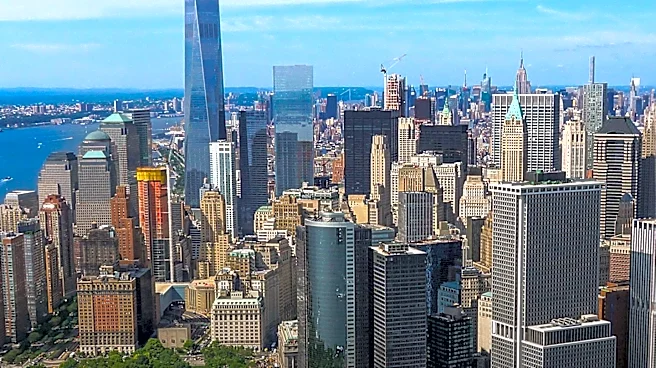
The completion of One World Trade Center marked a new era for Lower Manhattan, transforming the area into a vibrant hub of business, culture, and tourism. The tower is part of a larger World Trade Center complex that includes the National September 11 Memorial & Museum, which honors the victims of the attacks and educates visitors about the events of that day.
As visitors and tenants fill its spaces, One World Trade Center stands as a living tribute to the past and a beacon of hope for the future. Its completion has not only restored a vital part of New York City's skyline but also reinforced the city's reputation as a global center of innovation and resilience. The tower continues to inspire and captivate, embodying the spirit of New York City.