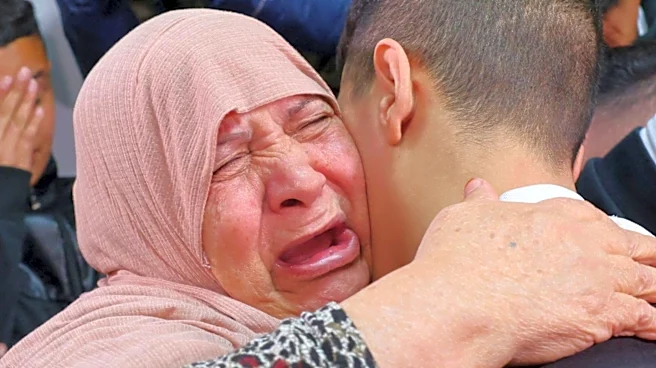







Experiencing the death of a loved one often necessitates a profound process of meaning-making, where individuals strive to create new understanding from their loss. This process is not merely an emotional response but a crucial psychological endeavor that can significantly impact well-being. Interventions designed to promote meaning-making have shown promise in improving both mental and physical health outcomes for those grieving. However, it's important
to note that for some individuals from challenging backgrounds, efforts to make meaning might not always be psychologically healthy, especially if they resemble rumination rather than a path toward resolution.
The Therapeutic Power of Meaning-Making
Research suggests that meaning-making can help individuals feel less distressed and enhance their resilience when confronting loss. Conversely, a failure to attribute meaning to death can lead to more prolonged distress for some. Various strategies exist to facilitate this process, many of which are outlined in resources like the book *Techniques of Grief Therapy*. One study developed a "Meaning of Loss Codebook," categorizing common meaning-making strategies into 30 distinct groups. Among the most frequently utilized categories are personal growth, strengthening family bonds, spirituality, valuing life, addressing negative affect, acknowledging impermanence, making lifestyle changes, cultivating compassion, and finding release from suffering.
These strategies highlight the diverse ways people engage with their grief, transforming a painful experience into something that can foster personal development or a deeper appreciation for life. The act of consciously seeking meaning can provide a framework for understanding, even when the circumstances of loss are inherently difficult to comprehend. This active engagement with grief, rather than avoidance, is often linked to healthier long-term adjustment.
Family Bonds and Collective Coping
Family bonds frequently serve as a powerful avenue for meaning-making during bereavement. Individuals who utilize existing family connections for this purpose often experience a shift in their outlook or behavior toward family members. They may make greater efforts to spend time with loved ones, finding meaning in the shared experience of grief and mutual support. When families collectively engage in meaning-making, additional strategies emerge within the family system.
For instance, family members might discuss the legacy of the deceased or talk to non-family members about their loss as a way to cope. Openly expressing attitudes and beliefs within the family can lead to improved well-being and reduced disagreement. Meaning-making within the family context can also enhance marital satisfaction by alleviating family tension, particularly when the deceased was another family member. This collective process underscores the social dimension of grief and the importance of shared narratives in navigating loss.
Spirituality, Religiosity, and Philanthropy
Spirituality and religiosity offer another significant pathway for meaning-making, helping individuals cope with loss and develop their spiritual or religious beliefs. These frameworks can provide grievers with a sense of transcendental reality, a shared worldview, and a feeling of belonging within communities of shared faith. For individuals with a divinity worldview, meaning-making through spirituality often involves perceiving the divine as involved in a major stressful life event, using this perception to develop meaning for the loss.
There are three primary ways a theistic individual might create meaning through religion: benevolent religious reappraisals, where God is cast in a positive light and the death is seen as part of a divine plan; punishing God reappraisals, where God is blamed for the loss or perceived as punishing; and reappraisals of God's power, which question God's ability to intervene. Beyond personal belief, philanthropy also serves as a meaning-making strategy. Grievers can find purpose through charitable services, foundations, and organizations. This can generate financial, social, and emotional support, transforming a negative experience into positive outcomes. For example, a couple who lost a child developed "Nora's Project" to provide wheelchairs for children with disabilities, finding healing and purpose in turning their horrific loss into something good for the world. This altruistic act of honoring a life while helping others is a common and powerful form of meaning-making.