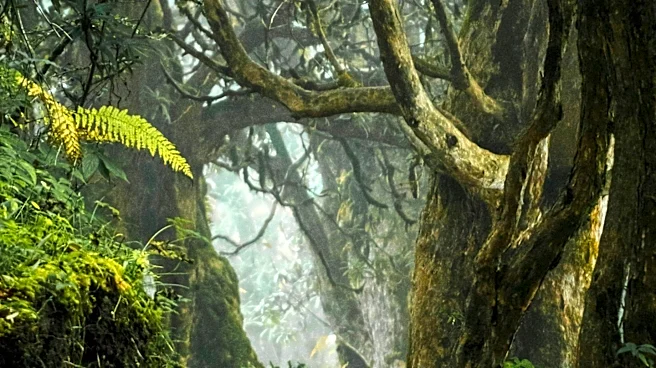

Olympic National Park, located in Washington state, is renowned for its vast wilderness areas that offer a haven for nature lovers and adventurers alike. Covering 922,650 acres, the park is a sanctuary
for diverse ecosystems and wildlife. With 95 percent of the park designated as wilderness, it provides a unique opportunity to explore untouched natural landscapes and experience the beauty of the Pacific Northwest.
The Daniel J. Evans Wilderness
The majority of Olympic National Park is protected under the Daniel J. Evans Wilderness, named in honor of the former Washington state Governor and U.S. Senator. This wilderness area, designated in 1988, encompasses 1,370 square miles and is the largest wilderness area in Washington state. It offers a pristine environment where visitors can immerse themselves in the natural world and escape the hustle and bustle of modern life.
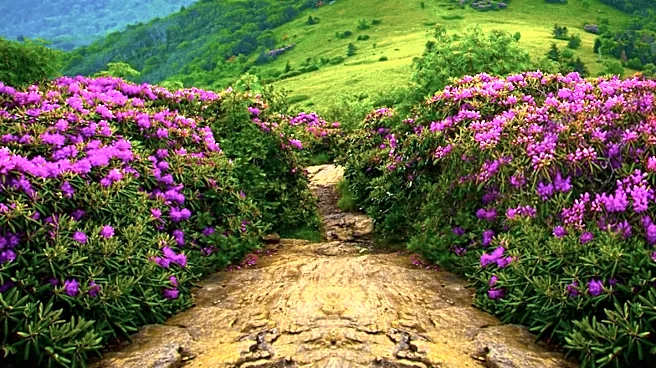
The wilderness designation ensures that the park's ecosystems remain undisturbed by human activity, preserving the natural beauty and ecological integrity of the region. Visitors to the wilderness can explore a variety of landscapes, from dense forests and alpine meadows to rugged coastlines and glacial peaks. The diverse terrain provides a habitat for a wide range of plant and animal species, making it a paradise for wildlife enthusiasts and photographers.
Hiking and Recreation
Olympic National Park's wilderness areas offer a wealth of recreational opportunities for outdoor enthusiasts. With over 600 miles of trails, hikers can explore the park's diverse landscapes and discover its hidden gems. From the lush rainforests of the Hoh River Trail to the breathtaking views from Hurricane Ridge, there is a trail for every level of adventurer.
In addition to hiking, the park offers opportunities for camping, backpacking, and wildlife viewing. The wilderness areas provide a chance to disconnect from technology and reconnect with nature, offering a sense of solitude and tranquility. Whether you're seeking a challenging backcountry adventure or a peaceful retreat, Olympic National Park's wilderness has something to offer.
Conservation and Preservation
The wilderness areas of Olympic National Park play a crucial role in conservation and preservation efforts. By protecting these natural landscapes, the park helps to maintain biodiversity and support healthy ecosystems. The wilderness designation ensures that the park's unique habitats remain intact, providing a refuge for endangered species and a living laboratory for scientific research.
The park's commitment to conservation is evident in its efforts to manage and protect its wilderness areas. Through partnerships with local communities and organizations, Olympic National Park continues to promote sustainable practices and preserve its natural heritage for future generations. The wilderness areas of Olympic National Park are a testament to the importance of protecting our natural world and the value of preserving wild places.