



The Apollo 11 mission was not only a historic achievement in human space exploration but also a remarkable feat of engineering and technology. The mission's success was made possible by a series of technological advancements and the overcoming of significant challenges. This article delves into the technical aspects that made Apollo 11 a triumph.
Engineering Innovations
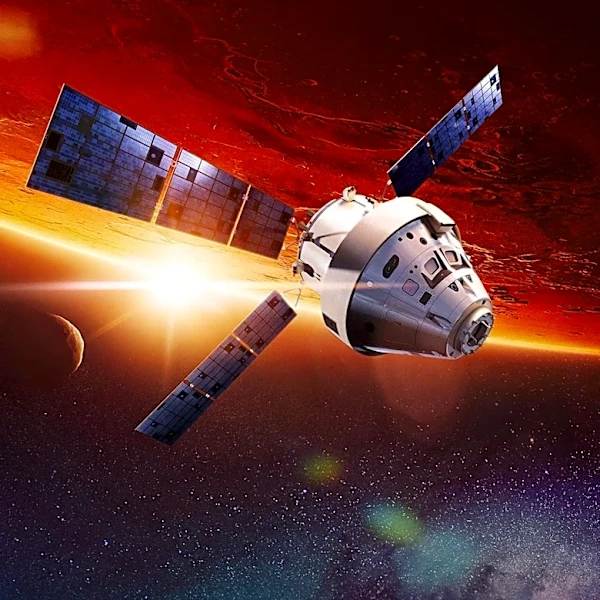
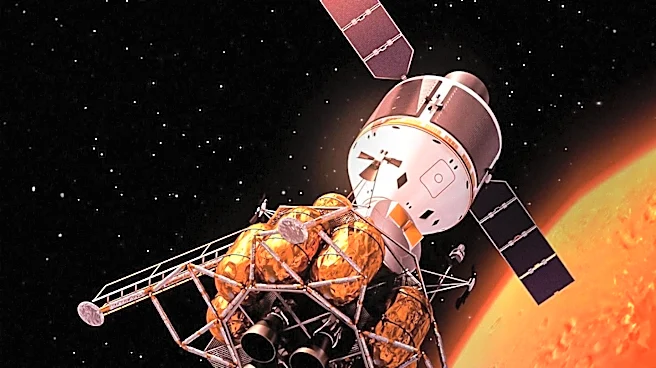
The Apollo spacecraft was a complex assembly of three main components: the command module, the service
module, and the lunar module. Each played a crucial role in the mission's success. The command module housed the astronauts and was the only part to return to Earth. The service module provided essential support, including propulsion, electrical power, oxygen, and water.
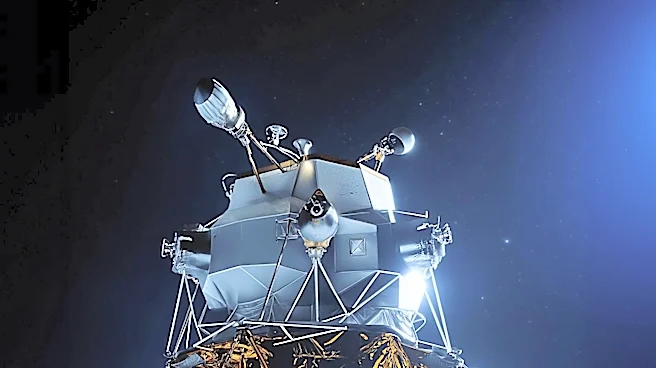
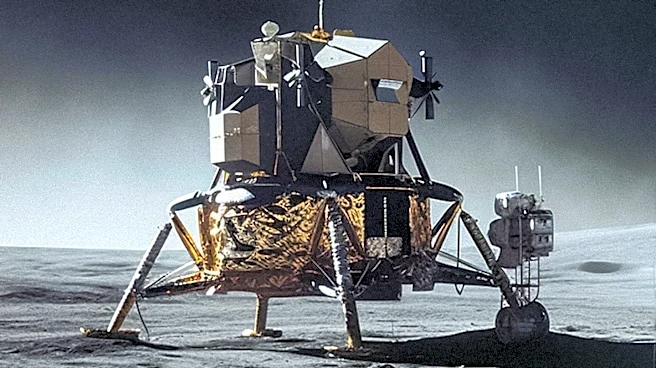
The lunar module, named Eagle, was a marvel of engineering. It had two stages: a descent stage for landing on the Moon and an ascent stage to return the astronauts to lunar orbit. The design of the lunar module allowed for a successful landing in the Sea of Tranquility, despite the challenges posed by the Moon's surface.
Overcoming Challenges
One of the significant challenges faced during the mission was the unexpected program alarms during the lunar descent. These alarms indicated that the guidance computer was overloaded with tasks. However, the software was designed to prioritize critical functions, allowing the mission to continue safely. This incident highlighted the importance of robust software design and the ability to adapt to unforeseen circumstances.
Another challenge was the need for precise navigation and control. The mission required accurate calculations to ensure a safe landing and return. The success of Apollo 11 demonstrated the effectiveness of the technologies developed through the Mercury and Gemini programs, which laid the groundwork for the mission's success.
Legacy of Technological Advancement
The technological advancements achieved during Apollo 11 had a lasting impact on space exploration and other fields. The mission's success demonstrated the potential for human exploration beyond Earth and paved the way for future missions. The technologies developed for Apollo 11 have been applied in various industries, contributing to advancements in computing, materials science, and telecommunications.
The mission also highlighted the importance of international cooperation in space exploration. The data collected and the lessons learned from Apollo 11 have been shared with scientists and engineers worldwide, fostering collaboration and innovation.
In conclusion, the Apollo 11 mission was a technical triumph that showcased the power of human ingenuity and the potential for technological advancement. Its success continues to inspire new generations of engineers and scientists to push the boundaries of what is possible in space exploration and beyond.