




Jeep is a name synonymous with ruggedness and adventure, but its journey from a military workhorse to a civilian favorite is a fascinating tale. Introduced in 1941, Jeep was initially designed for military use, providing reliable transportation for troops during World War II. Over the decades, it has transformed into a beloved brand of sport utility vehicles (SUVs) under the ownership of Stellantis. This article delves into the key phases of Jeep's
evolution, highlighting its transition from military to civilian life.
Military Beginnings
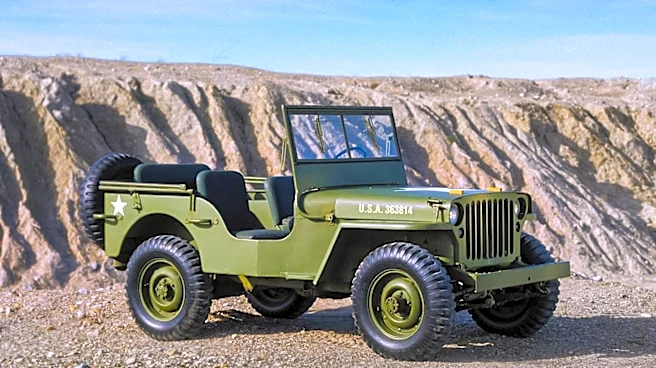
The Jeep brand was born out of necessity during World War II. In 1941, the U.S. military required a versatile and durable vehicle that could handle various terrains and conditions. The result was the Jeep, a compact, four-wheel-drive vehicle that quickly became indispensable on the battlefield. Its ability to navigate rough terrains and its reliability made it a favorite among soldiers.
The original Jeep was produced by Willys-Overland, and its design was so effective that it became the blueprint for future military vehicles. The Jeep's success in the military arena laid the foundation for its post-war civilian adaptation. After the war, the demand for a similar vehicle for civilian use grew, leading to the introduction of the first civilian Jeep models.
Transition to Civilian Use
Following its military success, Jeep transitioned into the civilian market. The first civilian Jeep, known as the CJ (Civilian Jeep), was introduced in the mid-1940s. It retained much of the ruggedness and capability of its military predecessor but was adapted for civilian needs. The CJ series became popular among farmers, ranchers, and outdoor enthusiasts who appreciated its durability and off-road capabilities.
As the years progressed, Jeep continued to innovate and expand its lineup. The brand introduced various models, each catering to different segments of the market. The Jeep Cherokee, for instance, became one of the first compact SUVs, setting the stage for the modern SUV market. The Cherokee's success demonstrated Jeep's ability to adapt to changing consumer preferences while maintaining its core values of durability and versatility.
Modern-Day Jeep
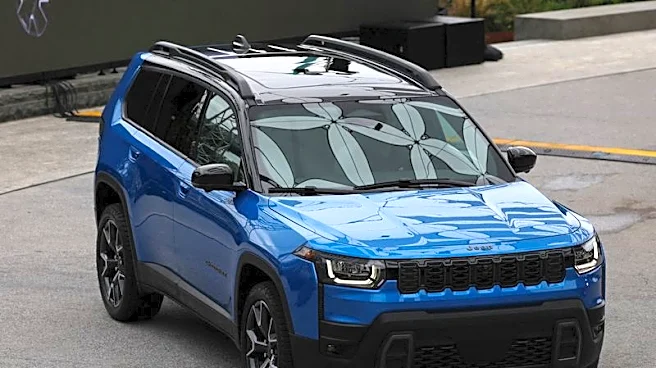
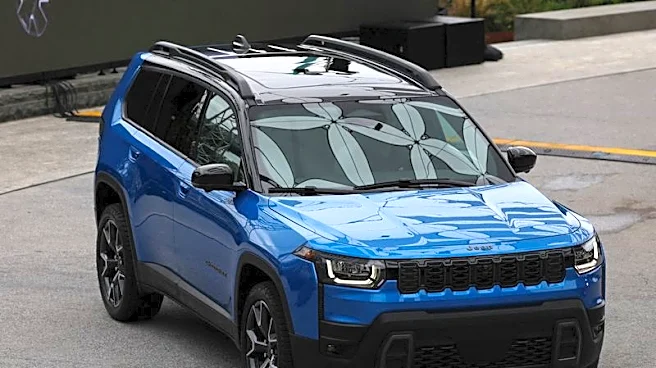
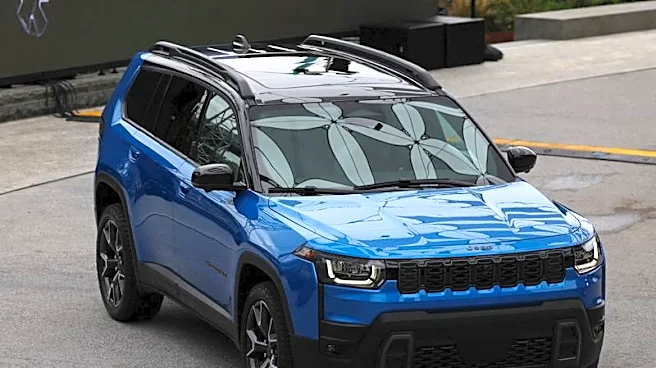
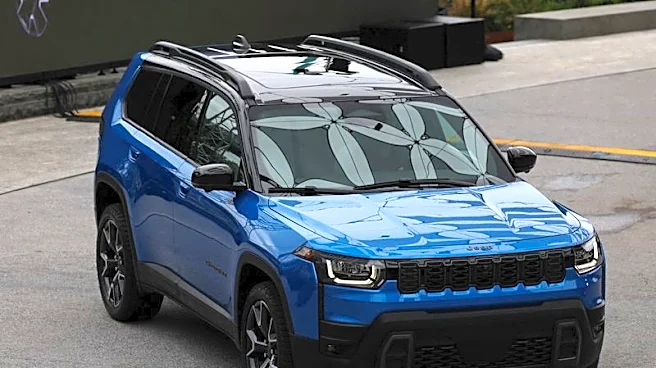
Today, Jeep is a well-established brand under the multinational corporation Stellantis. It offers a range of SUVs that continue to embody the spirit of adventure and ruggedness. The Jeep Grand Cherokee, a popular model, exemplifies the brand's commitment to combining luxury with off-road capability. Despite the evolution in design and technology, Jeep vehicles still carry the legacy of their military origins.
The Jeep brand has come a long way since its inception in 1941. From a military vehicle to a civilian icon, Jeep has maintained its reputation for reliability and adventure. Its ability to adapt and innovate has ensured its place in the automotive industry, making it a beloved brand for generations of drivers.