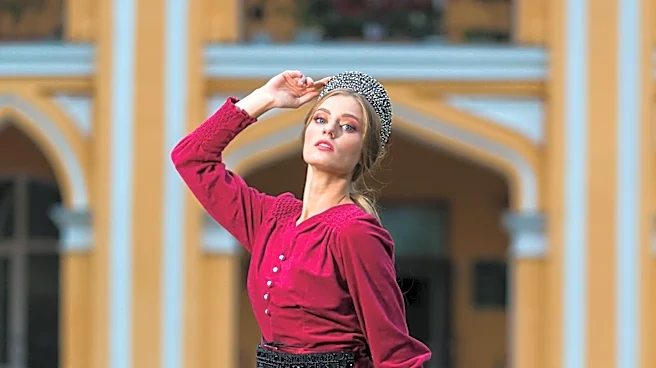







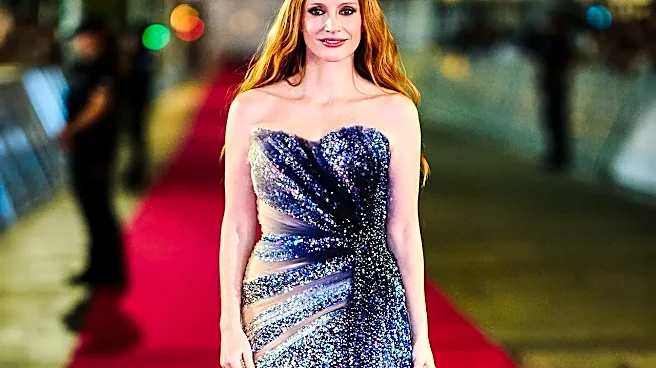

The sleeve, a fundamental component of garments designed to cover the arm, has a rich and varied history that spans nearly every country and time period. Far from being a mere functional element, sleeves have consistently served as a canvas for fashion innovation, reflecting cultural norms, technological advancements, and aesthetic preferences. From simple, straight cuts in early medieval times to the dramatically puffed and supported styles of the Victorian
era, the evolution of the sleeve offers a fascinating glimpse into the broader narrative of dress and personal expression.
Early Innovations and Medieval Practicality
In the early Western medieval period, sleeve construction was characterized by straightforward design. Sleeves were typically cut straight, prioritizing ease of movement and practicality. To enhance mobility, triangle-shaped gussets were strategically incorporated under the arm. This basic approach laid the groundwork for future developments, focusing on how fabric could best accommodate the natural motion of the human body while still providing coverage.A significant advancement in sleeve design emerged in the 14th century with the invention of the rounded sleeve cap. This innovation was pivotal, as it allowed for the creation of a more fitted sleeve that could be seamlessly inserted into a garment. The rounded cap provided crucial ease around the sleeve head, while a wider cut at the back further facilitated a greater range of movement. This marked a shift towards more tailored and sophisticated garment construction, moving beyond purely functional considerations to embrace a more refined silhouette.
The Dramatic Flourishes of Later Centuries
As centuries progressed, sleeves became increasingly elaborate and varied. The 16th and 17th centuries saw the emergence of the paned sleeve, constructed from panels that allowed a lining or shirt-sleeve to show through, adding visual interest and texture. The Virago sleeve, popular in the 1620s and 1630s, showcased a full, "paned" or "pansied" design, gathered into two distinct puffs by a ribbon or fabric band above the elbow. These styles highlight a growing desire for decorative and complex sleeve forms.The 19th century, particularly the Victorian era in Western culture, witnessed some of the most dramatic transformations in sleeve fashion. Women's dress often featured sleeves that became extraordinarily wide, rounded, or extensively gathered and "puffy." This extreme volume necessitated the use of internal sleeve supports, worn inside garments, to maintain the desired shape and structure. This period exemplifies how sleeves could become central to a garment's overall silhouette and fashion statement, requiring specialized underpinnings to achieve their intended grandeur.
A Spectrum of Styles: From Cap to Floor-Length
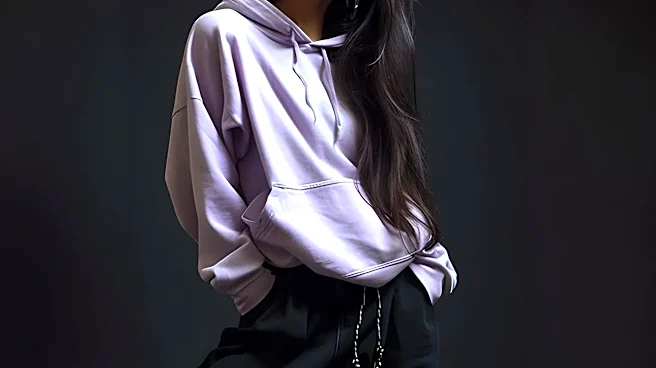
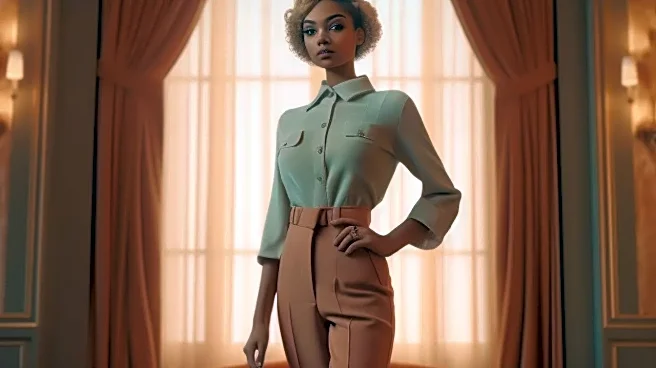
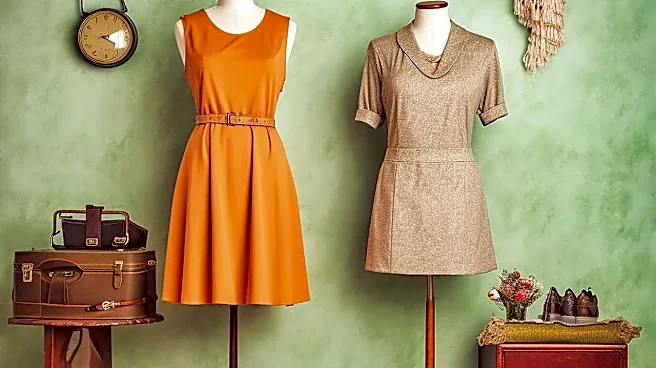
Throughout history and into modern times, the sheer variety of sleeve styles has been immense, ranging from minimal coverage to extensive drapery. The cap sleeve, for instance, is a very short sleeve that covers only the shoulder and does not extend below the armpit, typically worn by women. In contrast, the long sleeve covers the entire arm from shoulder to wrist, a classic and enduring style.Other notable styles include the bell sleeve, fitted from shoulder to elbow and gently flared from the elbow onward, and the pagoda sleeve, a wide, bell-shaped design popular in the 1860s, often worn over a false undersleeve called an engageante. The poet sleeve, characterized by a fit from shoulder to elbow and then a dramatic flare to the wrist, often with ruffled cuffs, evokes a romantic aesthetic. Even today, sleeve lengths vary widely, from the barely-there cap sleeve to the floor-length sleeves seen in traditional Japanese furisode, demonstrating the sleeve's continuous adaptability and expressive potential in fashion.