



The Russian Grand Prix, held at the Sochi Autodrom as part of the Formula One World Championship, delivered several memorable and dramatic moments during its tenure from 2014 to 2020. The circuit, a 5.9-kilometer street track winding through Sochi's Olympic Park, provided a unique setting for high-speed competition. From inaugural victories to championship-clinching performances and unexpected incidents, the races in Sochi consistently offered excitement
and pivotal moments for drivers and teams alike.
Inaugural Success and Mercedes Dominance
The first-ever Russian Grand Prix in the modern era took place on October 12, 2014. This historic event saw British driver Lewis Hamilton claim victory, followed by his Mercedes-Benz teammate, German driver Nico Rosberg. Valtteri Bottas, driving for Williams, secured the third position. This one-two finish for Mercedes was particularly significant as it not only marked their dominance on the track but also allowed them to clinch their first constructors' title in Formula One, solidifying their position as a formidable force in the sport from the outset of the Sochi era.
The 2015 race, held on October 11, continued the trend of Mercedes success but was also marked by significant incidents. Nico Rosberg, who had taken pole position, was forced to retire early in the race due to a faulty throttle. His teammate, Lewis Hamilton, capitalized on this, taking the win ahead of Ferrari's Sebastian Vettel. The race also featured a dramatic finish for third place, with Force India's Sergio Pérez initially losing the position on the final lap but retaking it after Kimi Räikkönen and Valtteri Bottas collided while battling for third. Bottas retired on the spot, and Räikkönen received a 30-second post-race penalty for the collision. Mercedes once again secured their second consecutive constructor's championship at this event, further cementing their stronghold.
Crashes, Penalties, and Maiden Victories
The 2016 event, moved forward to May 1 as the fourth round of the calendar, was notable for a chaotic start. A massive crash at Turn 2 eliminated Nico Hülkenberg, Esteban Gutiérrez, and Rio Haryanto. Sebastian Vettel was involved in two separate incidents, being hit in the rear by Daniil Kvyat at Turn 2 and then again at Turn 3, causing him to spin and crash out of the race. In the aftermath, Red Bull announced that Kvyat would be demoted back to Toro Rosso, switching places with 18-year-old Max Verstappen. Nico Rosberg ultimately won the race, with Lewis Hamilton securing a one-two finish for Mercedes.
The 2017 race, held on April 30, was a landmark event for Valtteri Bottas, who secured his first career win in Formula One. He started behind the Ferrari pair of Sebastian Vettel and Kimi Räikkönen, who locked out the front row, but Bottas managed to pass both on the run to Turn 2. The race also saw Fernando Alonso unable to start due to a power unit problem, and a crash between Romain Grosjean and Jolyon Palmer, though both drivers escaped unhurt. Bottas held off Vettel by a mere 0.7 seconds to claim his maiden victory, with Räikkönen setting the fastest lap.
Calendar Shifts and Strategic Retirements
In 2018, the Russian Grand Prix moved from its traditional April slot to September 30, filling a vacancy left by the discontinuation of the Malaysian Grand Prix in 2017. This race saw Valtteri Bottas take pole position, a year after achieving his first victory at the circuit, underscoring his affinity for the Sochi track.
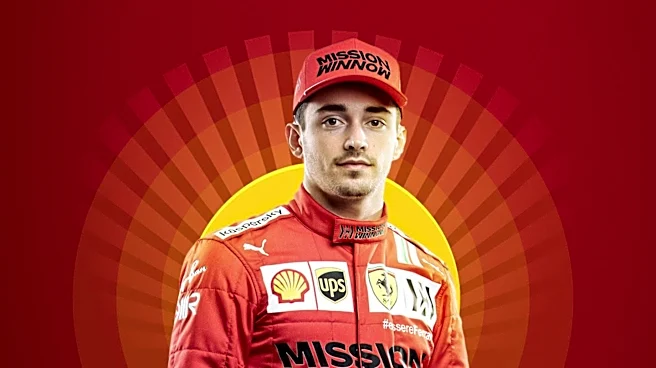
The 2019 Russian Grand Prix featured Charles Leclerc on pole, ahead of Lewis Hamilton and Sebastian Vettel. However, Vettel made a strong start, jumping both drivers into Turn 2 and leading the race until lap 26, when he suffered an MGU-K failure. A lap later, George Russell crashed into the barriers at Turn 9, reportedly due to a wheel nut failure, prompting his teammate Robert Kubica to retire to conserve parts. After a safety car period, Leclerc attempted an unsuccessful overtaking maneuver on Valtteri Bottas, allowing Lewis Hamilton to secure another victory, with Bottas and Leclerc finishing second and third, respectively. These races collectively paint a picture of the Russian Grand Prix as a venue for significant racing drama and pivotal career moments.