


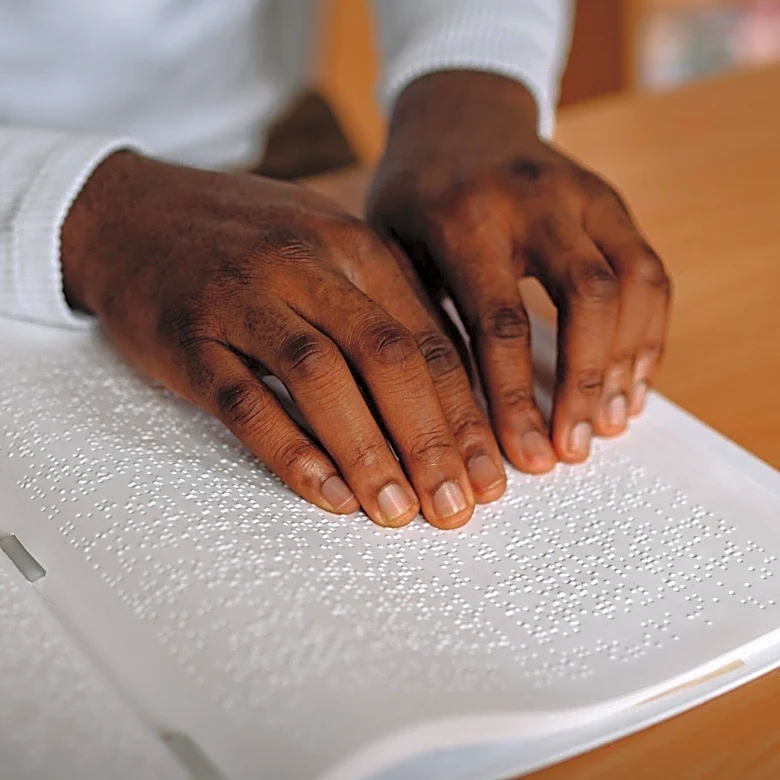




The Digital Accessible Information System, widely known as DAISY, stands as a cornerstone of modern accessible publishing, offering a sophisticated technical standard for digital audiobooks, periodicals, and computerized text. Far more than a simple audio recording, DAISY is meticulously designed to serve as a complete audio substitute for print material, specifically catering to individuals with print disabilities such as blindness, impaired vision,
and dyslexia. Its innovative structure and advanced features have revolutionized how print-disabled individuals interact with complex texts, providing a level of navigation and control previously unattainable in auditory formats.
The Foundation and Advanced Features of DAISY
At its core, the DAISY format is built upon the widely used MP3 and XML formats, combining robust audio capabilities with structured data. This foundation allows DAISY to offer a suite of advanced features that distinguish it from traditional audiobooks. Unlike linear audio recordings, DAISY enables users to actively engage with the content. For instance, readers can search for specific words or phrases within the text, place digital bookmarks to mark their progress or important sections, and navigate precisely line by line. This granular control is crucial for academic study or professional research, where quick reference and detailed review are essential.Furthermore, DAISY allows users to regulate the speaking speed of the audio without introducing distortion, ensuring that content can be consumed at a pace comfortable for the individual listener. It also provides aurally accessible tables, references, and additional information, which are often challenging to convey effectively in standard audio formats. The ability to navigate something as complex as an encyclopedia or a textbook, with its intricate structure and cross-references, becomes possible with DAISY, whereas it would be virtually impossible using conventional audio recordings. This interactive capability transforms the listening experience from passive reception to active exploration.
Technical Specifications and Digital Talking Books
The DAISY standard has evolved through several iterations to enhance its capabilities and ensure broad compatibility. The original DAISY 2 specification, introduced in 1998, was based on HTML and SMIL (Synchronized Multimedia Integration Language). A subsequent revision, DAISY 2.02 in 2001, updated its foundation to XHTML and SMIL. The most current major version, DAISY 3, released in 2005, is based on XML and has been standardized as ANSI/NISO Z39.86-2005, reflecting its recognition as a robust and reliable international standard. The DAISY Consortium, founded in 1996, plays a vital role in this evolution, comprising international organizations dedicated to equitable access to information for people with print disabilities.A key component of the DAISY standard is the Digital Talking Book (DTB). A DTB is essentially a collection of electronic files meticulously arranged to present information to the target population through alternative media. These media include human or synthetic speech, refreshable Braille, or visual display options like large print. The files that comprise the DAISY format for a DTB are comprehensive and include a Package File containing metadata, a Textual content file in XML, Audio Files (MP3 recordings), Image files for visual displays, Synchronization files to link different media during playback, a Navigation control file for viewing the document's hierarchical structure, a Bookmark/Highlight file for user-set annotations, a Resource file for playback management, and a Distribution Information File to map SMIL files to specific media units. This intricate structure ensures a rich and navigable experience.
Widespread Adoption and Secure Access
Given its advanced capabilities, many organizations that produce accessible versions of copyrighted content are transitioning to the DAISY standard, moving away from older distribution methods such as cassette tapes. In the United States, prominent organizations like Learning Ally, AMAC Accessibility, Bookshare, the Internet Archive, and the National Library Service for the Blind and Print Disabled (NLS) offer content to blind and visually impaired individuals using DAISY. Learning Ally and Bookshare also extend access to those with dyslexia or other disabilities that impair print reading.Access models vary among these providers. The NLS employs a library methodology, lending books free of charge, similar to public libraries. Learning Ally and Bookshare operate as subscription-based services, though Bookshare membership is free for U.S. students due to funding from the U.S. Department of Education. To comply with copyright law (17 U.S.C. § 121), which requires copyrighted material to be distributed in specialized formats to prevent unauthorized access, some organizations utilize encryption. For example, the NLS and Learning Ally use the DAISY Protected Digital Book (PDTB) encryption standard, where audio and certain information tags are encrypted and require a decryption key provided to authorized users. Bookshare implements its own digital rights management, including fingerprinting each digital book with the identity of the downloading user, ensuring secure and compliant distribution of accessible materials.