






Earrings are a diverse category of jewelry, worn on the ears through various methods, most commonly piercings. While the simple term "ear piercing" typically refers to an earlobe piercing, the practice has evolved significantly to include a wide array of placements on the external ear. These piercings, often referred to as "cartilage piercings," are distinct from earlobe piercings in their complexity and healing time. The materials used for earrings
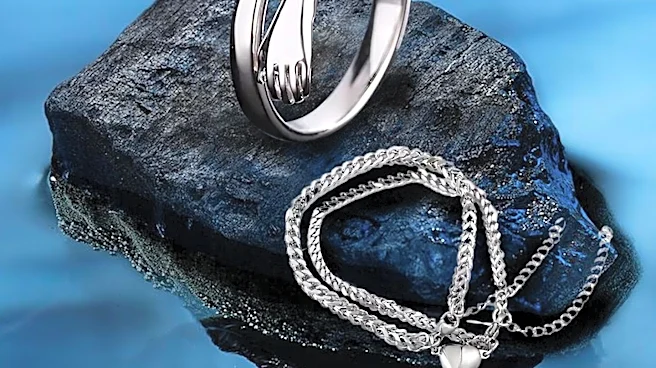
are equally varied, ranging from traditional metals like gold and silver to plastic, glass, precious stones, beads, wood, and bone. The design possibilities are vast, from subtle studs and small hoops to elaborate plates and dangling items, with the physical capacity of the earlobe ultimately limiting the size of heavier pieces.
Diverse Piercing Locations and Their Characteristics
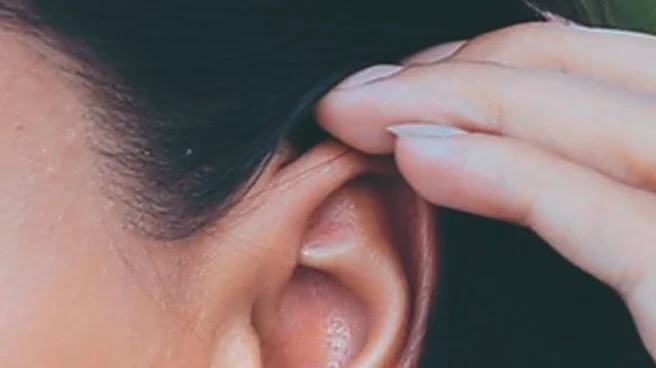
Beyond the earlobe, numerous other locations on the ear can be pierced, each with its own name and characteristics. These include the helix, industrial, rook, daith, tragus, snug, conch, and anti-tragus. The helix, for example, refers to the outer rim of the ear, while the tragus is the small, pointed cartilage flap in front of the ear canal. The rook piercing is located in the antihelix fold, and the daith piercing passes through the innermost cartilage fold of the ear. An industrial piercing typically involves two separate piercings connected by a single piece of jewelry, often a barbell, across the upper cartilage.Cartilage piercings, in general, are more intricate to perform than earlobe piercings due to the nature of the tissue. They also tend to require a longer healing period, which can range from six to twelve months, compared to the relatively quicker healing of earlobe piercings. The choice of piercing location often depends on aesthetic preference, the individual's ear anatomy, and the type of jewelry they wish to wear. For instance, captive bead rings, barbells, and circular barbells are common jewelry types for various cartilage piercings, while flesh plugs are often associated with stretched earlobes.
Materials, Design, and Physical Considerations
Earring components can be crafted from a wide array of materials, each offering different aesthetic and practical qualities. Metals like gold, silver, and bronze have been used for millennia, often adorned with precious stones or intricate designs. Modern materials include plastic and glass, offering lightweight and colorful options. Natural materials such as wood and bone also feature in earring designs, particularly in certain cultural contexts or for those seeking organic aesthetics. The design of earrings can range from minimalist studs to large, elaborate pieces that dangle or cover a significant portion of the ear.The size and weight of earrings are important considerations. While designs can be quite large, the physical capacity of the earlobe to support the earring without tearing is a limiting factor. Wearing heavy earrings over extended periods can lead to the stretching of the piercing. This phenomenon, known as ear stretching, can also be done intentionally as a form of body modification, where the piercing is gradually expanded to accommodate larger jewelry, such as flesh plugs. This practice, while common in indigenous cultures for thousands of years, began to appear in Western society in the 1990s and is now fairly common, though still less frequent than standard ear piercing and sometimes considered countercultural.
The Evolution of Piercing Techniques and Professionalism
The increasing popularity of body piercing from the 1990s onward led to the development of specialized techniques and a greater emphasis on professionalism. For piercings beyond the earlobe, professional piercers are typically required. These experts are trained in specific piercing techniques, often utilizing beveled piercing needles and specialized piercing jewelry, rather than the basic starter studs and conventional ear-piercing instruments used for earlobes. This shift reflects a recognition of the greater complexity and potential risks associated with cartilage piercings.In the 21st century, the concept of "ear curation" has emerged, where multiple piercings are custom-designed for each customer. This personalized approach considers the individual's ear shape, existing piercings, and their desire for unique and personalized ear piercings and jewelry. These intricate designs are often referred to as "constellations," and some piercers have gained renown for their work with celebrities and influencers. This development signifies a move from mainstream piercing to a form of haute couture, involving specialist practitioners, detailed designs, high-quality materials, and custom fitting, highlighting the artistic and individualized nature of modern ear adornment.