







The Chicago Cubs, one of Major League Baseball's most storied franchises, have a rich history that dates back to the late 19th century. Founded in 1870, the team has undergone numerous transformations, both in name and in fortune. From their early days as the Chicago White Stockings to their current identity, the Cubs have experienced periods of triumph and heartbreak, making them a beloved yet enigmatic team in the world of sports.
Early Beginnings and Name Changes
The Chicago Cubs
began their journey as the Chicago White Stockings, a name that reflected their uniform color. In 1876, they became a charter member of the National League, marking the start of their professional baseball journey. The team quickly established itself as a powerhouse, winning the league's first championship. However, the name White Stockings was eventually adopted by another team, leading to a series of name changes for the Cubs.
By 1890, the team was known as the Chicago Colts, a nod to their influential player-manager Cap Anson. Anson's departure in 1897 led to the team being referred to as the Orphans, reflecting their lack of a strong leader. It wasn't until 1903 that the name Cubs was officially adopted, a moniker that has endured for over a century.
The Glory Years and the Curse
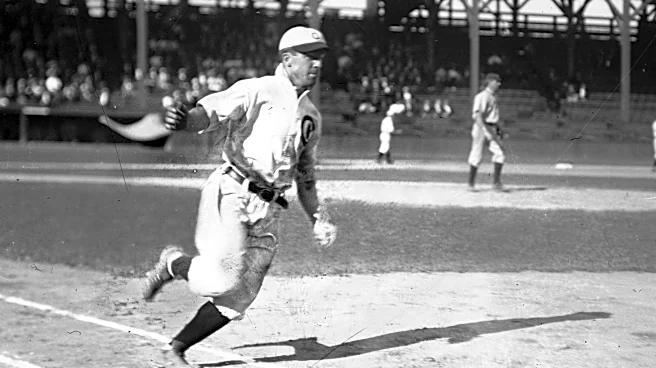
The early 20th century was a period of success for the Cubs, highlighted by their back-to-back World Series victories in 1907 and 1908. Managed by Frank Chance, the team boasted a formidable lineup, including the legendary Tinker, Evers, and Chance infield. Despite their dominance, the Cubs' fortunes took a turn for the worse after the infamous Curse of the Billy Goat was placed on them during the 1945 World Series.
The curse, allegedly cast by a disgruntled fan who was ejected from Wrigley Field with his goat, was said to prevent the Cubs from winning another pennant. This superstition seemed to hold true as the team struggled to find success in the postseason for decades, culminating in a 108-year championship drought.
Modern Resurgence
The Cubs' fortunes began to change in the 21st century, culminating in their historic 2016 World Series victory. Under the management of Joe Maddon, the team broke the curse and ended their long-standing drought, much to the delight of their loyal fan base. This victory not only marked a new era for the Cubs but also solidified their place in baseball history.
Today, the Chicago Cubs continue to be a symbol of perseverance and hope, embodying the spirit of their city and fans. Their journey through time is a testament to the enduring appeal of baseball and the unpredictable nature of sports.