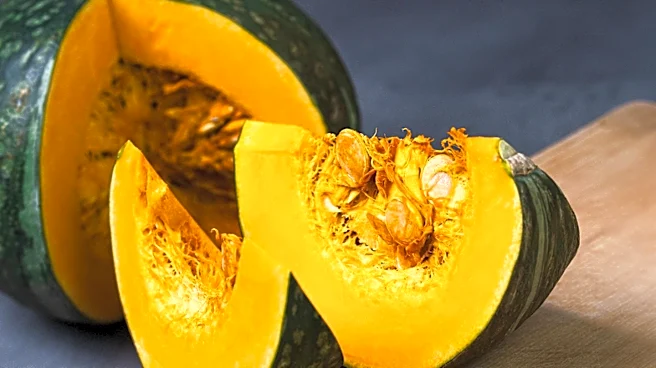









Pumpkins are a remarkable crop known for their versatility in both agriculture and cuisine. From their cultivation in fields to their presence in kitchens, pumpkins offer a wide range of uses that make them a valuable resource for farmers and cooks alike.
Agricultural Practices and Cultivation
Pumpkins are a warm-weather crop that thrives in specific conditions. They require soil temperatures of at least 60°F and well-drained soil to grow successfully. Despite these requirements, pumpkins
are considered hardy plants. Even if parts of the vine are damaged, they can quickly regenerate, making them a resilient choice for farmers.
Pollination is a crucial aspect of pumpkin cultivation. Pumpkins produce both male and female flowers, with bees playing a vital role in their fertilization. Historically, the native squash bee was the primary pollinator, but its decline has led to the use of other bee species, such as the eastern bumblebee. In some cases, farmers may need to hand-pollinate to ensure a successful crop.
Culinary Uses and Nutritional Value
In the kitchen, pumpkins are celebrated for their versatility. Most parts of the pumpkin plant are edible, including the flesh, seeds, leaves, and flowers. The flesh can be roasted, mashed, or used in soups and breads, while the seeds, known as pepitas, are a popular snack when roasted.
Pumpkin pie is perhaps the most iconic culinary use of pumpkins, especially during the Thanksgiving holiday. The pie's spiced filling, made with cinnamon, nutmeg, ginger, and cloves, is a favorite among many. Additionally, pumpkin puree is often prepared and frozen for later use, allowing for the enjoyment of pumpkin dishes year-round.
The Role of Pumpkins in Modern Agriculture
In the United States, pumpkins are a significant crop, with Illinois leading in production. The state produces the majority of pumpkins intended for processing, with companies like Libby's operating large processing plants. This industrial scale of production highlights the importance of pumpkins in the agricultural economy.
Pumpkins are also grown for the organic market, particularly in the western United States. This niche market caters to consumers seeking organic produce, further demonstrating the crop's adaptability to different agricultural practices.
The versatility of pumpkins in agriculture and cuisine underscores their value as a crop. From their role in traditional dishes to their economic impact, pumpkins continue to be a vital part of both farming and culinary traditions. Their ability to adapt to various uses and conditions ensures that pumpkins will remain a cherished and essential crop for years to come.