






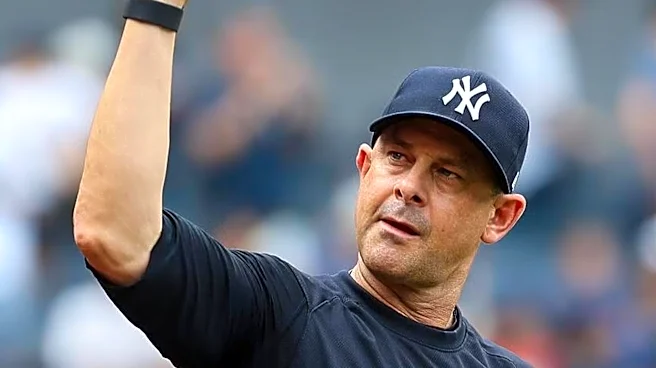
Leo Durocher was a baseball manager whose approach to the game was as dynamic as it was controversial. Known for his fiery temperament and strategic acumen, Durocher's managerial career was marked by both success and scandal. His ability to lead teams to victory while maintaining a contentious relationship with authority figures made him a standout figure in Major League Baseball.
The Early Years of Management
Durocher's managerial career began with the Brooklyn Dodgers in 1939.
His leadership style was characterized by a no-nonsense approach and a focus on winning at all costs. Durocher was known for his ability to motivate players, often using his sharp tongue to spur them into action. His famous quote, "Nice guys finish last," encapsulated his belief that competitiveness and aggression were essential for success in baseball.
Under Durocher's management, the Dodgers became a formidable team. He led them to the National League pennant in 1941, showcasing his ability to turn a team into a championship contender. However, his tenure with the Dodgers was not without controversy. In 1947, Durocher was suspended for a year due to his associations with gamblers, a decision that highlighted the tension between his personal life and professional responsibilities.
Achievements with the New York Giants
After his suspension, Durocher returned to manage the New York Giants in 1948. His time with the Giants was marked by one of the most significant achievements of his career: winning the 1954 World Series. Durocher's strategic brilliance was evident in his ability to outmaneuver opponents and lead his team to victory.
Durocher's management style was not just about tactics; it was also about fostering a winning mentality. He was known for his ability to identify and nurture talent, often pushing players to exceed their limits. His support for Jackie Robinson's integration into the MLB was a testament to his forward-thinking approach and commitment to excellence.
Legacy and Influence
Leo Durocher's influence on baseball extended beyond his managerial achievements. His outspoken nature and willingness to challenge the status quo left a lasting impact on the sport. Durocher's career was a testament to the power of passion and determination in achieving success.
Despite the controversies that surrounded him, Durocher's legacy as a manager is one of innovation and resilience. His induction into the Baseball Hall of Fame in 1994 was a recognition of his contributions to the game. Durocher's story is a reminder that greatness often comes with challenges, and his life in baseball remains an inspiring tale of triumph and tenacity.