

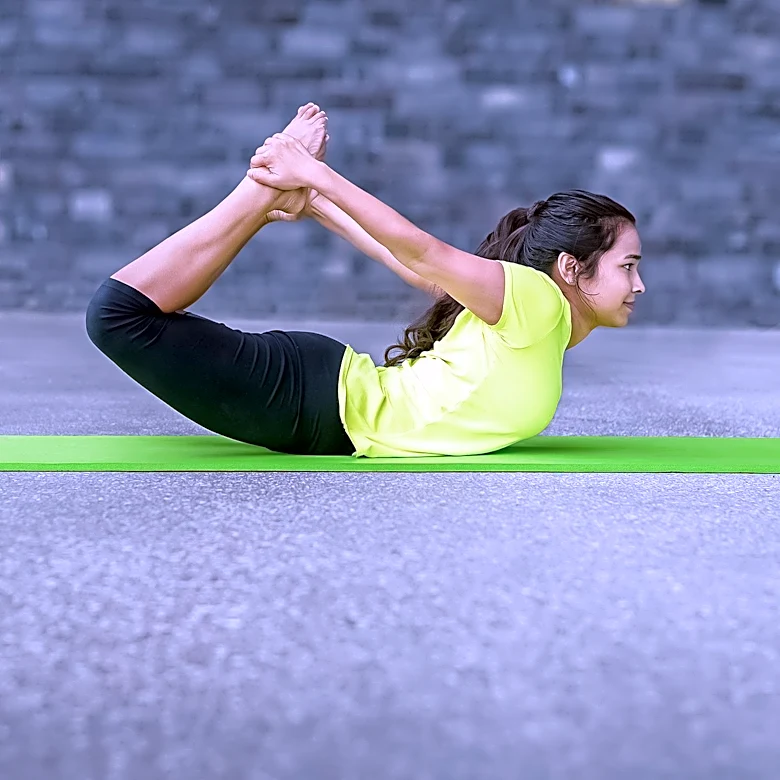
Utthita Padangusthasana, commonly known as Standing Big Toe Hold or Extended Hand-to-Big-Toe Pose, is a prominent standing balancing asana within the practice of modern yoga as exercise. This pose challenges practitioners to maintain stability while extending one leg, embodying a blend of strength, flexibility, and focus. Its recognition extends across various yoga traditions, making it a widely depicted and practiced posture, often serving as a foundational
element in sequences like the Primary Series of Ashtanga yoga.
The Etymology and Origins of the Pose
The name "Utthita Padangusthasana" is derived from Sanskrit, with each component offering insight into the pose's physical characteristics. "Utthita" translates to "extended" or "raised," while "Hasta" means "hand." "Pada" signifies "foot," and "Angustha" refers to the "thumb" or "toe." Finally, "Asana" denotes "posture" or "seat." Thus, the name literally describes an extended hand-to-big-toe posture, accurately reflecting the pose's form.
Interestingly, while the pose is deeply integrated into modern yoga, its origins may not be ancient Indian. Historical analysis suggests that a similar pose was described in Niels Bukh's early 20th-century Danish text, *Primitive Gymnastics*. This text, in turn, drew from a 19th-century Scandinavian gymnastics tradition. The pose made its way to India by the 1920s, where it was adopted by Swami Kuvalayananda into his system of exercises. From there, it was incorporated by the influential yoga teacher Tirumalai Krishnamacharya, solidifying its place in contemporary yoga practices.
Description and Execution of Utthita Padangusthasana
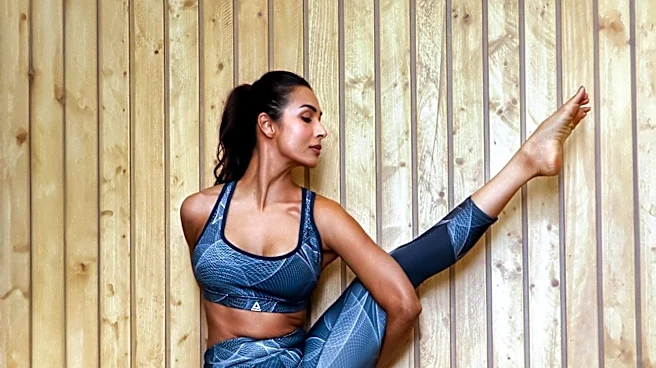
Utthita Padangusthasana is characterized by the body standing straight on one leg, with the other leg stretched out straight. The hand on the same side of the body grasps the foot of the raised leg. The pose typically begins from Tadasana, the standing pose, emphasizing a strong foundation before the balance challenge begins. This asana is not a singular form but encompasses variations that cater to different levels of flexibility and balance.
There are two primary forms of the pose. Utthita Padangusthasana I involves the raised leg extended to the front, with the opposite hand placed on the hip. Utthita Padangusthasana II sees the raised leg extended to the side, while the opposite hand stretches out straight to the other side, further challenging the practitioner's balance and opening the body. Students can modify the pose by using a strap to hold the extended foot, utilizing a ledge or wall for support, or keeping the knee bent, making it accessible to a wider range of practitioners.
Variations and Related Poses
The principles of Utthita Padangusthasana extend to several related and more advanced postures. Svarga Dvijasana, known as Bird of Paradise pose, is a bound variant of Utthita Padangusthasana II. In this variation, the raised leg is out to the side, and the hands are clasped under the thigh, with one arm in front of the raised leg and the other behind.
Another related pose is Utthita Ekapadasana, which is considered a milder form. In this pose, the leg is not lifted as high, and the toes are not grasped, offering a preparatory step or a less intense alternative. Utthita Parshvasahita is another variation where the raised leg is extended to the side, and the head is turned away from the raised leg, adding a rotational element to the balance challenge. These variations demonstrate the versatility and progressive nature of standing balancing poses within yoga, all stemming from the core principles embodied in Utthita Padangusthasana.