







Jim Hines, an American athlete born on September 10, 1946, in Dumas, Arkansas, carved out a unique path in sports, achieving world-class status in track and field before transitioning to a professional football career. His journey from a young baseball player to an Olympic champion and then an NFL player showcases a remarkable versatility and athletic prowess. Hines is most famously known for being the first man to officially break the 10-second barrier
in the 100-meter dash, a feat that cemented his legacy in sprinting history. However, his athletic ambitions extended beyond the track, leading him to play in the National Football League (NFL).
From Baseball Fields to the "Night of Speed"
Hines' early athletic endeavors were not focused on sprinting. In his younger years, he was a baseball player. It was track coach Jim Coleman who recognized his exceptional running talent, guiding him towards a career in sprinting. This shift proved to be transformative. Hines, who was raised in Oakland, California, and graduated from McClymonds High School in 1964, quickly rose through the ranks. He attended Texas Southern University in Houston, Texas, where he was a key member of the Texas Southern University Tigers track team.
The pinnacle of his track career arrived on June 20, 1968, at the U.S. national championships in Sacramento, California. On this historic evening, often referred to as the "Night of Speed," Hines achieved a monumental milestone by running the 100-meter race in 9.9 seconds, using manual timing. While the electronic timing recorded his performance at 10.03 seconds, this marked the first time a human had officially broken the 10-second barrier. This achievement was a testament to his dedication and natural speed, setting a new standard for sprinters worldwide.
Olympic Glory and the Transition to Professional Football
Just months after his record-breaking performance, Hines competed in the 1968 Summer Olympics in Mexico City. Despite a tense political and social climate, with discussions of a boycott by Black athletes, Hines excelled. He won the 100-meter final with an official time of 9.95 seconds, which was recognized as a new world record and the fastest electronic time recorded to that point. He also played a crucial role in helping his teammates secure a gold medal in the 4 x 100-meter relay, contributing to another world record. His individual 100-meter world record stood for 15 years, a remarkable duration that underscored his dominance in the event.
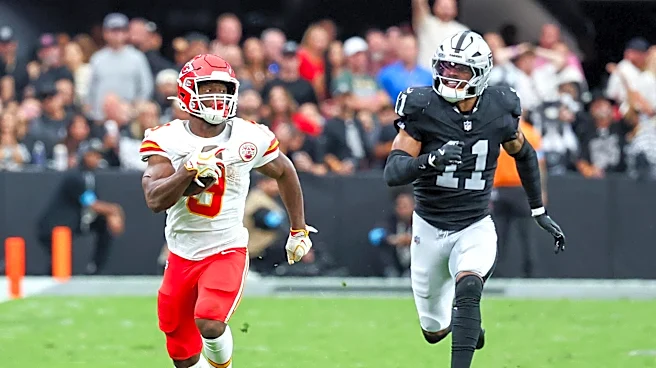
Following his Olympic triumphs, Hines embarked on a professional football career. He was drafted by the Miami Dolphins in 1968 as the 146th overall pick in the 6th round. He played as a wide receiver for the Dolphins in 1968 and 1969. Later, he joined the Kansas City Chiefs in 1970. This transition from a world-record-holding sprinter to an NFL player highlights his exceptional athleticism and ability to compete at the highest levels in two demanding sports. Hines' career, spanning both track and professional football, left an indelible mark on the history of American sports.