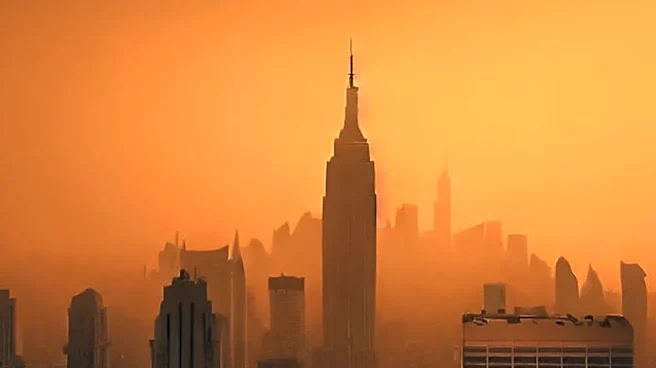





New York City has a documented history of grappling with severe air pollution, with the November 1966 smog representing a critical, though not isolated, chapter in this ongoing struggle. This particular event, which coincided with the Thanksgiving holiday weekend from November 23 to 26, was characterized by damaging levels of carbon monoxide, sulfur dioxide, smoke, and particulate matter. The pollution index reached an alarming 60.6, significantly
surpassing the "emergency" threshold by 10 points. Visibility was severely compromised, and the air took on a distinct yellowish tinge and greasy appearance. Tragically, over 200 residents lost their lives due to this environmental disaster. However, the 1966 smog was not an anomaly; it was the third major incident of its kind, following similar large-scale events that had afflicted the city in 1953 and 1963, underscoring a persistent challenge in urban public health.
Precursors to the 1966 Disaster
The 1966 smog was preceded by two other significant air pollution episodes that had already demonstrated the vulnerability of New York City to such environmental hazards. The first major incident occurred in November 1953. This event, similar in scale and impact, served as an early warning of the potential dangers posed by unchecked industrial and urban emissions combined with adverse weather conditions. The 1953 smog also resulted in a considerable number of fatalities, though specific figures are not provided in this context, it established a pattern of severe health consequences linked to prolonged exposure to high levels of air pollution.A decade later, in January and February of 1963, New York City experienced its second major smog event. This incident further solidified the understanding that these were not isolated occurrences but rather a recurring threat to public health and urban life. Each of these earlier smogs contributed to a growing awareness among scientists, city officials, and the public that New York City faced a serious and systemic air pollution problem. These prior events set a grim precedent, highlighting the city's susceptibility to atmospheric conditions that could trap pollutants and create hazardous environments.
The Escalation of the Problem
The 1966 smog, therefore, arrived not as a surprise but as a confirmation of a persistent environmental vulnerability. The fact that it was the third major smog event underscored a failure to adequately address the root causes of air pollution or to implement effective preventative measures. The pollution index reaching 60.6 in 1966, 10 points above the emergency mark, indicated an escalation in the severity of these events. The visible signs of the smog—reduced visibility, a yellowish tinge, and a greasy appearance—were stark reminders of the deteriorating air quality.Each major smog event, including those in 1953, 1963, and 1966, brought with it significant human cost. The over 200 deaths attributed to the 1966 smog were a tragic testament to the direct health impacts of severe air pollution. These recurring crises highlighted the urgent need for comprehensive strategies to monitor, control, and ultimately reduce the emission of harmful pollutants into the city's atmosphere. The historical pattern of these events painted a clear picture of a city repeatedly facing the consequences of its own industrial and urban development.