

The 1981 Major League Baseball strike marked a significant moment in the history of baseball labor relations. Lasting from June 12 to August 9, the strike led to the cancellation of 712 games, nearly 34 percent of the season. This strike was the first work stoppage since 1972 that resulted in canceled regular-season games. The dispute centered around free agent compensation, a contentious issue that had been brewing for years. The resolution of this
strike set the stage for future negotiations between players and owners.
The Roots of the Dispute
The strike was primarily caused by disagreements over free agent compensation. Owners wanted compensation for losing a free agent player to another team, which involved selecting a player from the signing team's roster, excluding 12 protected players. The players argued that this form of compensation would undermine the value of free agency, a hard-won right that allowed players more freedom in choosing their teams. The owners had previously lost at the bargaining table and in the courts on the issue of the free agency draft, and they were eager to regain some control.
The Major League Baseball Players Association (MLBPA), led by executive director Marvin Miller, voted unanimously to strike on May 29, 1981. Although the deadline was briefly extended after the MLBPA's unfair labor complaint was heard by the National Labor Relations Board, the strike commenced on June 12. This action highlighted the growing tension between players and owners, as both sides struggled to balance fairness and financial interests.
The Impact on the Season
The strike had a profound impact on the 1981 MLB season. With 712 games canceled, the season was split into two halves, and the postseason was expanded to include eight teams under a split-season format. The All-Star Game, originally scheduled for July 14, was postponed to August 9, serving as a prelude to the resumption of regular-season play. This disruption not only affected the players and owners but also the fans, who were left without baseball for nearly two months.
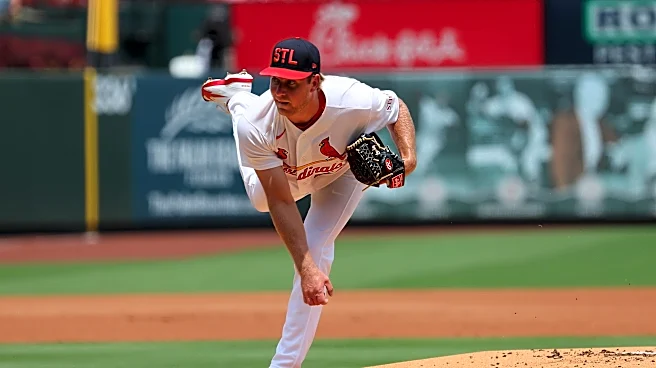
The strike also led to uneven schedules for teams. The Cardinals, Royals, Pittsburgh Pirates, and Cleveland Indians played the fewest games at 103, while the San Francisco Giants played the most at 111. Most teams finished with 106 to 109 games played. This irregularity in the schedule added another layer of complexity to the season, as teams had to adjust to the new format and the challenges it presented.
Long-Term Effects on Labor Relations
The resolution of the 1981 strike had lasting effects on labor relations in Major League Baseball. The agreement reached on July 31 allowed the season to resume, but it also set a precedent for future negotiations. The strike demonstrated the power of the MLBPA and the importance of collective bargaining in resolving disputes. It also highlighted the need for both sides to find common ground in order to maintain the integrity of the game.
Jim Palmer, a notable figure in baseball, summed up the strike's impact by stating, "The strike of 1981 lasted fifty-one days. It hurt the owners, it hurt the players, but mostly it hurt the game. Eventually, the game recovered. But it's like a player. Every time he's injured, it's harder to come back." This sentiment underscores the challenges faced by baseball in the aftermath of the strike and the resilience required to move forward.