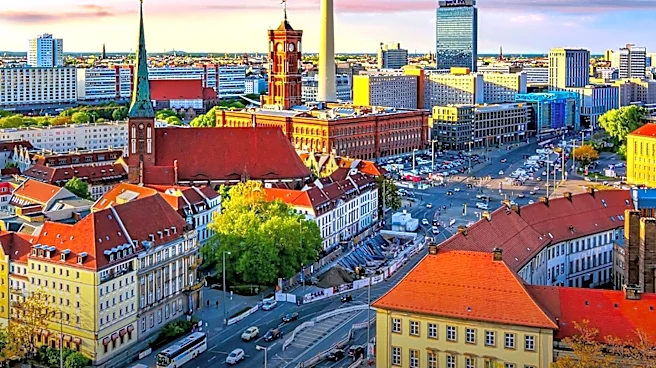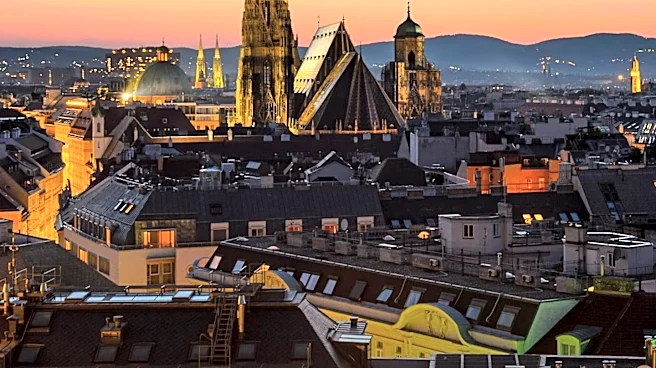






Vienna, the capital city of Austria, stands as a prominent nation in central Europe. With a population exceeding 1.8 million people, it is not only Austria's largest city but also one of its nine federated states. Situated on the Danube River, a vital waterway for central and eastern Europe, Vienna has historically served as a frontier bridge between Germanic and Slavic peoples, a role it continues to maintain today. Its rich heritage and status as a cultural
center make it a popular tourist destination, attracting over 6.8 million visitors annually.
Geographical and Administrative Significance
Geographically, Vienna is located within Austria, serving as both a city and a federated state. It is considered a primate city of Austria, indicating its dominant role in the country's urban hierarchy. The city spans an area of 414.65 square kilometers (160.10 sq mi), accommodating its substantial population. Its strategic location on the Danube River has been crucial throughout its history, facilitating trade and cultural exchange across the region. This position has also contributed to its historical role as a meeting point for different cultures and peoples.
Administratively, Vienna is not just a capital city but also a local administrative territory. This dual role as a city and a state highlights its importance within the Austrian political structure. The city's governance is comprehensive, overseeing a wide range of public services and infrastructure for its residents. This administrative capacity supports its function as a major European center.
A Legacy of Empire and Culture
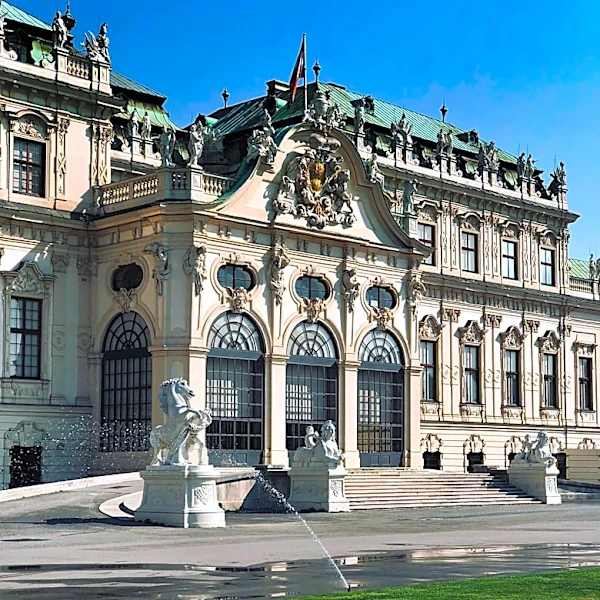
Historically, Vienna evolved into the administrative center of a vast, multi-lingual empire: the Kingdom of Austro-Hungary. This imperial past left an indelible mark on the city, evident in its beautiful Baroque architecture and a general appreciation for regal elements, such as horse buggies, palaces, and renowned cakes and confectionery. This rich history contributes significantly to its appeal as a tourist attraction, drawing visitors eager to experience its imperial grandeur.
Vienna is also celebrated as the "City of Music," having been home to numerous musical luminaries during music's classical period and beyond, including figures like Mozart and Beethoven. This deep connection to classical music further solidifies its cultural identity and attracts music enthusiasts from around the globe. The city's cultural offerings extend beyond music, encompassing a wide array of arts and historical sites that reflect its storied past.
Modern Infrastructure and Iconic Landmarks
The city boasts a robust transport infrastructure, featuring both trams and a metro system that efficiently serve commuters and visitors alike. This well-developed public transportation network makes navigating Vienna convenient and accessible. Beyond its practical aspects, Vienna is home to several iconic landmarks that are must-see attractions.
Among its most famous sites is Stephansdom, a large medieval church distinguished by its unique roof. Another prominent attraction is the palace of Schönbrunn, a testament to the city's imperial history and architectural splendor. For those interested in modern design, the Hundertwasserhaus, a high-rise building designed by Austrian artist Friedensreich Hundertwasser, offers a contemporary architectural experience. These landmarks, old and new, contribute to Vienna's reputation as a city rich in both history and innovation.