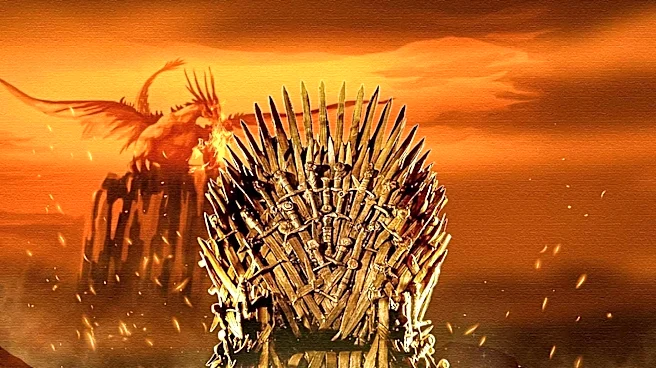






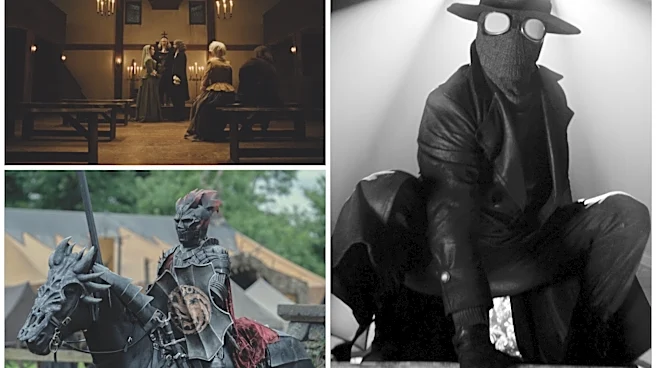
*House of the Dragon* plunges viewers into the heart of the Targaryen dynasty, approximately two centuries before the events of *Game of Thrones*. The series, based on George R. R. Martin's *Fire & Blood*, meticulously details the intricate and often brutal power struggles surrounding the succession to the Iron Throne. At its core, the narrative explores the profound consequences of King Viserys I Targaryen's choices regarding his heir, setting the stage
for a devastating civil war known as the Dance of the Dragons. This central conflict is fueled by ambition, tradition, and the deeply entrenched patriarchal norms of Westeros.
The Great Council and Viserys's Reign
The seeds of the succession crisis were sown even before Viserys's reign. In 101 AC, King Jaehaerys I Targaryen, having outlived all his sons, convened a Great Council. The purpose of this council was to select an heir and prevent a potential war of succession. While fourteen claims were presented, only two candidates were seriously considered: Princess Rhaenys Targaryen, the king's eldest descendant, and Prince Viserys Targaryen, the king's eldest male descendant. Ultimately, the lords of the Seven Kingdoms chose Viserys, establishing a precedent that favored male succession, a decision that would later haunt the realm.
Nine years into King Viserys's rule, the issue of succession resurfaced with urgency. His wife, Queen Aemma Arryn, was pregnant again, and Viserys was convinced she would finally bear him a healthy son, despite many previous failed pregnancies. A grand tournament was organized to celebrate the anticipated birth. However, Ser Otto Hightower, the Hand of the King, expressed concerns about Prince Daemon, Viserys's brother and the heir presumptive, deeming him unfit to rule due to his brutal methods as Commander of the City Watch. Viserys, however, initially dismissed Otto's advice.
A Queen's Sacrifice and a Princess's Claim
The tournament, meant for celebration, was overshadowed by tragedy. Queen Aemma suffered a breech birth, endangering both her life and that of her child. King Viserys made the agonizing decision to allow Grand Maester Mellos to perform a cesarean section, hoping to save the infant, knowing full well the procedure would be fatal for Aemma. The child, named Baelon, died shortly after his mother. The funeral saw Rhaenyra's dragon, Syrax, cremate their remains, a poignant moment highlighting the Targaryen connection to dragons.
Following this tragedy, the succession debate intensified. Otto Hightower informed the Small Council that Daemon had mockingly referred to the deceased Baelon as "the heir for a day" at a brothel. When confronted, Daemon accused Viserys of never supporting him and claimed the king was weak and manipulated, particularly by Otto. Outraged, Viserys removed Daemon as his heir, instead naming his first-born daughter, Princess Rhaenyra, as his successor. He then banished Daemon from King's Landing, ordering him to return to Runestone and his estranged wife, Rhea Royce. This decision marked a radical departure from the precedent set by the Great Council, elevating a female heir to the Iron Throne.
The Weight of Prophecy and the Seeds of Conflict
In a moment of profound trust, Viserys shared a secret with Rhaenyra, a prophecy passed down through generations: their ancestor Aegon the Conqueror had dreamt of a grave threat from the North, one that Westeros could only overcome if a Targaryen sat on the Iron Throne. This prophecy underscored the immense responsibility placed upon Rhaenyra's shoulders. The lords of Westeros subsequently swore fealty to Rhaenyra as crown princess, seemingly solidifying her claim. However, the departure of Daemon and his lover, Mysaria, atop his dragon Caraxes, hinted at unresolved tensions and future challenges to Rhaenyra's ascension.
As the series progresses, the complexities of this succession unfold. Queen Alicent, for instance, privately insisted that Rhaenyra's children were bastards, an allegation King Viserys repeatedly chose to ignore. Alicent's eldest son, Aegon, was even told by his mother that he would one day challenge Rhaenyra for the throne, revealing the deep-seated ambition and division within the royal family. The narrative also explores the tragic death of Laena Velaryon, Daemon's wife, who chose a dragonrider's death rather than succumb to a prolonged labor, further illustrating the harsh realities and personal tolls within this dynastic struggle. These interwoven narratives of personal ambition, political maneuvering, and ancient prophecies collectively paint a vivid picture of the Targaryen succession crisis.