






The Battle of White Plains, fought on October 28, 1776, was a significant, though not decisive, engagement in the American Revolutionary War. While the British forces under General William Howe ultimately gained control of Chatterton's Hill, the immediate aftermath of the battle saw both sides grappling with casualties and strategic decisions. The encounter highlighted the resilience of the Continental Army, even in retreat, and the challenges faced
by the British in delivering a decisive blow to the American forces. The days following the battle were marked by further maneuvers and a surprising turn of events that left the village of White Plains in ruins.
Assessing the Losses: British and American Casualties
Estimates of casualties from the Battle of White Plains vary, reflecting the chaotic nature of warfare in that era. According to John William Fortescue's *History of the British Army*, British losses amounted to 214, with an additional 88 Hessians. However, Rodney Atwood notes that Fortescue's Hessian casualty figure includes all losses from October 19 to October 28, suggesting that only 53 Hessians were lost during the actual battle of White Plains. This adjustment would bring the total British and Hessian casualties to 267 killed, wounded, or missing at White Plains. Henry Dawson provides a more precise estimate for Howe's forces, listing 47 killed, 182 wounded, and 4 missing.
American casualties are also uncertain, with various sources offering different figures. Theodore Savas and J. David Dameron estimate American losses between 150 and 500 killed, wounded, or captured. Samuel Roads reports 47 killed and 70 wounded. Henry Dawson indicates 50 killed, 150 wounded, and 17 missing for the regiments of McDougall and Spencer, but he lacks information regarding the losses of Haslet's regiment or the Massachusetts militia units. Despite the discrepancies, it is clear that both sides sustained significant losses during the intense fighting, particularly on Chatterton's Hill.
Post-Battle Maneuvers and the Burning of White Plains
Three days after the battle, General Washington withdrew his forces north of the village of White Plains, which was then occupied by Howe's troops. However, after several inconclusive skirmishes over the following week, Howe made the unexpected decision to withdraw on November 5, leaving White Plains to the Continentals. This withdrawal allowed Washington's army a reprieve, though the village itself suffered a tragic fate.
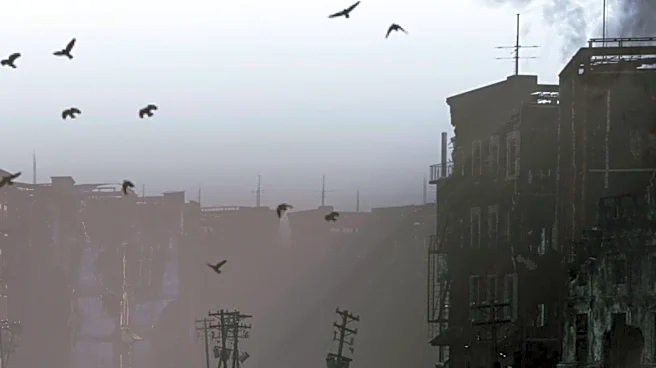
Ironically, one of Washington's subordinates, Major John Austin, re-entered the village with his detachment after the British withdrawal. Austin, reportedly intoxicated after celebrating the enemy's retreat, proceeded to burn down the village. He was subsequently court-martialed and convicted for this action, though he ultimately escaped punishment. This act of destruction left White Plains in ruins, a stark consequence of the ongoing conflict, even after the main battle had concluded. The battle and its immediate aftermath underscore the fluidity and often unpredictable nature of the American Revolutionary War.