






Velveteen is a distinctive woven fabric characterized by its dense, even, and short pile. Often confused with velvet, velveteen possesses several key differences that set it apart, primarily in its construction and resulting properties. This fabric is typically made from cotton or a blend of cotton and silk, contributing to its specific texture and feel. Its unique characteristics make it suitable for particular applications, distinguishing it in the
world of textiles.
Understanding Velveteen's Construction and Characteristics
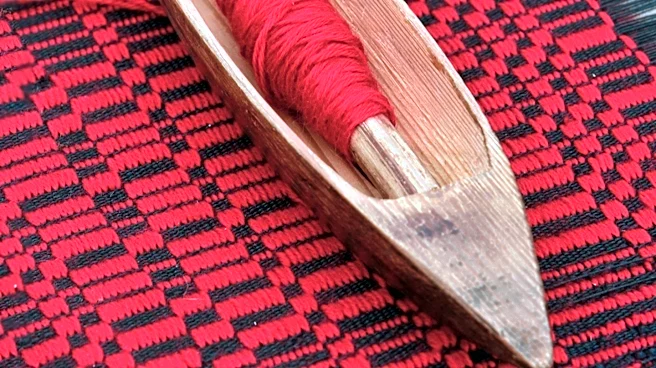
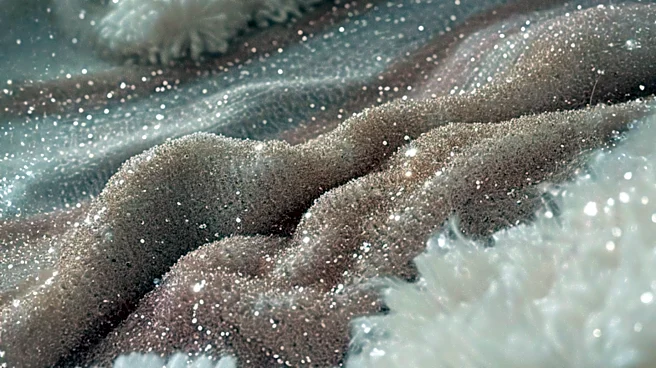
The fundamental difference between velveteen and velvet lies in how their respective piles are formed. In velveteen, the pile is cut from weft threads, which are the threads woven horizontally across the loom. This method of construction gives velveteen a shorter pile compared to velvet, which has its pile cut from warp threads, the threads running lengthwise on the loom. This structural variation directly impacts the fabric's appearance and drape.
As a result of its construction, velveteen exhibits less sheen than velvet. It also tends to be stiffer and possesses less drape, meaning it doesn't flow as fluidly as velvet. These attributes are crucial in determining its suitability for various uses. Some types of velveteen are even considered a kind of fustian, featuring a rib of velvet pile that alternates with a plain, depressed area, adding another layer of textural complexity to the fabric.
Practical Applications in Upholstery and Fashion
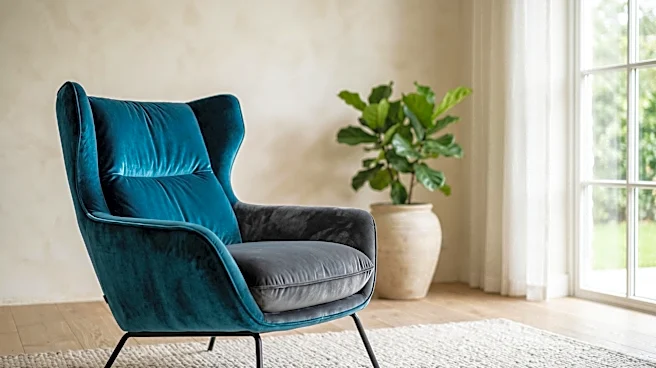
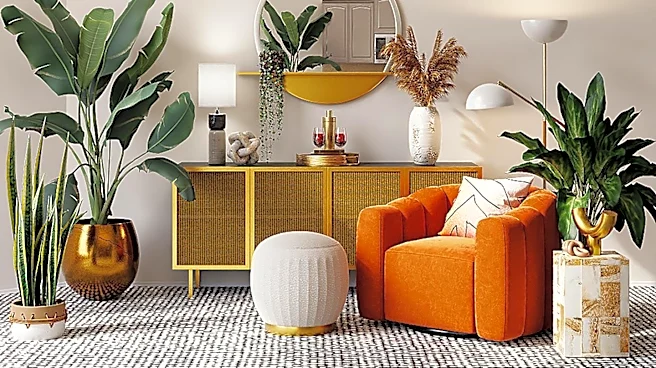
Due to its inherent stiffness, structure, and durability, velveteen finds common application in upholstery. Its robust nature makes it an excellent choice for furniture coverings, where resilience and a plush feel are desired. The fabric's ability to hold its shape well is a significant advantage in such uses, contributing to the longevity and aesthetic appeal of upholstered items.
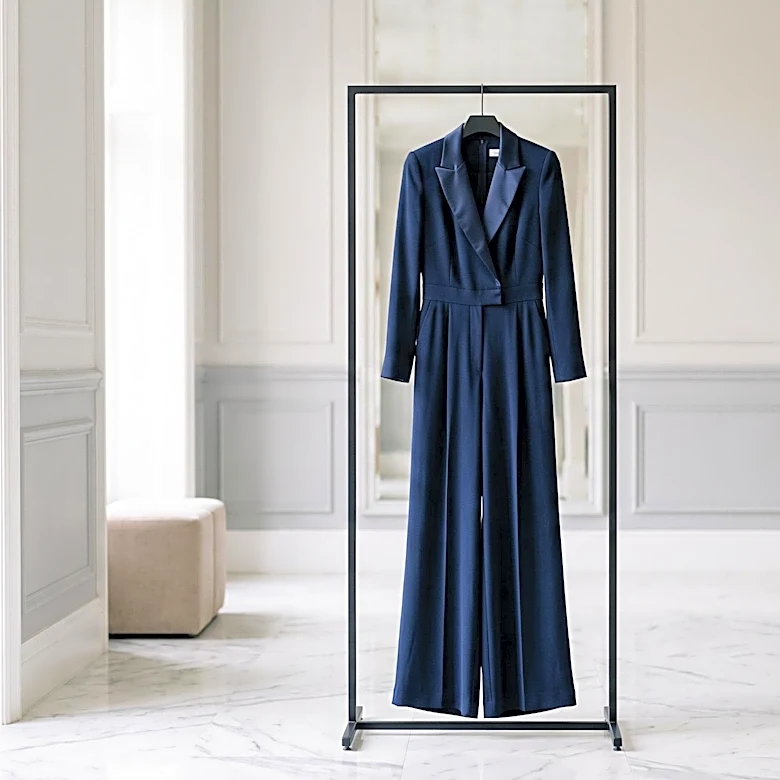
In the realm of fashion, velveteen is favored for garments that require a certain degree of stiffness or structure. This can include items where a defined silhouette is important, or where the fabric needs to withstand more wear and tear. Its durability also makes it a practical choice for clothing that needs to be hard-wearing, offering both comfort and a refined appearance without the delicate nature often associated with velvet. Historically, the trade and popularity of velveteen have often mirrored the prevailing fashions that influenced the production of velvet, indicating its close relationship and occasional interchangeability with its more lustrous counterpart.
The Material Composition of Velveteen
The primary materials used in the creation of velveteen are cotton or a blend of cotton and silk. Cotton is a natural fiber known for its strength, absorbency, and soft feel, making it an ideal base for a durable yet comfortable fabric like velveteen. The inclusion of silk in some blends can add a touch of luxury and a subtle enhancement to the fabric's texture, though it still retains the characteristic properties of velveteen, such as its shorter pile and reduced sheen compared to pure silk velvet. This material choice underscores velveteen's position as a versatile fabric, balancing practicality with a pleasing aesthetic.