




Ground effect is a fascinating aerodynamic phenomenon that significantly impacts aircraft performance when flying close to the ground or water. This effect reduces aerodynamic drag and increases lift, making it a crucial consideration for pilots during takeoff and landing. By understanding how ground effect works, we can appreciate its role in aviation and its implications for aircraft design and operation.
The Basics of Ground Effect
Ground effect occurs when an aircraft flies
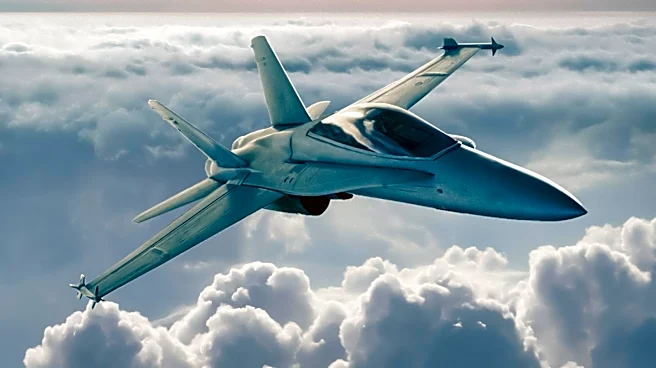
at a low altitude, typically at or below half the length of its wingspan above the ground. In this situation, the ground interferes with the formation of wingtip vortices, which are swirling air patterns that create drag. By obstructing these vortices, the ground reduces the downwash behind the wing and the upwash in front of it, leading to decreased drag and increased lift.
This phenomenon allows the aircraft to maintain the same amount of lift with a lower angle of attack, which is the angle between the wing and the oncoming air. As a result, the aircraft experiences a "floating" effect, where it seems to glide more effortlessly. This is particularly noticeable during takeoff and landing, when the aircraft is closest to the ground.
Implications for Aircraft Performance
The benefits of ground effect are most apparent during takeoff and landing phases. When an aircraft is in ground effect, it requires less power to maintain lift, allowing for smoother and more efficient takeoffs. Pilots can take advantage of this by reducing the angle of attack and conserving fuel.
However, ground effect can also present challenges. As the aircraft climbs out of ground effect, the increased drag can cause a sudden loss of lift, requiring pilots to adjust their controls to maintain a stable ascent. This transition must be managed carefully to avoid stalling or other performance issues.
Ground Effect in Helicopters and VTOL Aircraft
Ground effect is not limited to fixed-wing aircraft; it also affects rotorcraft and vertical take-off and landing (VTOL) aircraft. For helicopters, ground effect reduces the power required to hover near the ground, allowing for more efficient operations. This is particularly beneficial for overloaded helicopters that can only hover in ground effect.
VTOL aircraft experience unique challenges due to ground effect. When hovering close to the ground, these aircraft can encounter "suckdown" and "fountain lift," which affect their stability and performance. Engineers must carefully design VTOL aircraft to mitigate these effects and ensure safe and efficient operation.
In conclusion, ground effect is a critical factor in aviation that influences aircraft performance near surfaces. By understanding its principles and implications, pilots and engineers can optimize aircraft design and operation for safer and more efficient flights.