





The Apollo 11 mission was a landmark event in human history, and at its heart were three astronauts: Neil Armstrong, Buzz Aldrin, and Michael Collins. Each played a crucial role in the mission's success, and their teamwork and expertise were instrumental in achieving the first manned lunar landing. This article explores the backgrounds and contributions of these pioneering astronauts.
Neil Armstrong: The First Man on the Moon
Neil Armstrong, the commander of Apollo 11, was the first human
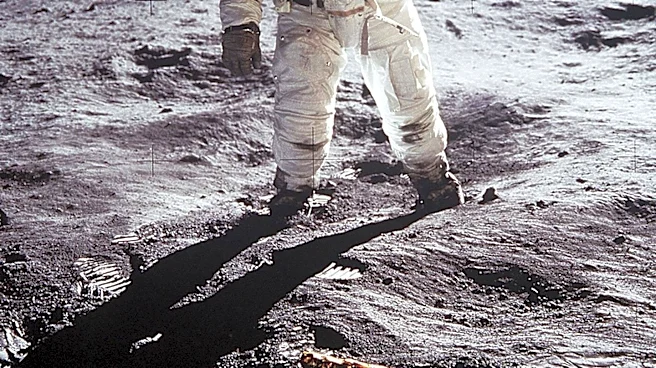
to set foot on the Moon. His famous words, "That's one small step for [a] man, one giant leap for mankind," captured the significance of the moment. Armstrong was known for his calm demeanor and exceptional piloting skills, which were critical during the lunar landing.
Before Apollo 11, Armstrong had flown on the Gemini 8 mission, where he demonstrated his ability to handle emergencies in space. His experience as a test pilot and naval aviator prepared him for the challenges of commanding a mission as complex as Apollo 11. Armstrong's leadership and composure were vital to the mission's success.
Buzz Aldrin: The Lunar Module Pilot
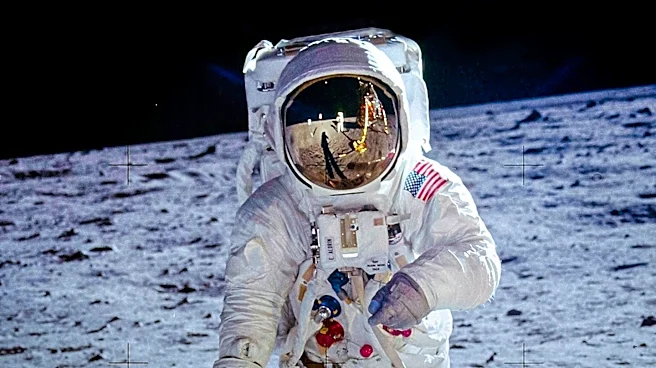
Buzz Aldrin, the lunar module pilot, was the second person to walk on the Moon. Aldrin's expertise in orbital mechanics and his experience as an astronaut were invaluable to the mission. He had previously flown on Gemini 12, where he conducted successful spacewalks, earning him the nickname "Dr. Rendezvous."
Aldrin's role in Apollo 11 involved operating the lunar module's systems and assisting Armstrong during the lunar surface activities. His contributions extended beyond the mission, as he later became an advocate for space exploration and technology development. Aldrin's enthusiasm and dedication to space exploration have inspired many.
Michael Collins: The Command Module Pilot
Michael Collins, the command module pilot, played a crucial role in the success of Apollo 11, even though he did not walk on the Moon. Collins remained in lunar orbit aboard the command module, Columbia, ensuring that Armstrong and Aldrin could safely return from the lunar surface.
Collins' responsibilities included maintaining the command module's systems and preparing for the lunar module's return. His solo time in lunar orbit was marked by a sense of anticipation and satisfaction, as he felt very much a part of the mission. Collins' contributions were essential to the mission's success, and his reflections on the experience have provided valuable insights into the human aspect of space exploration.
Together, Armstrong, Aldrin, and Collins made history with Apollo 11. Their teamwork, expertise, and dedication were key to achieving one of humanity's greatest accomplishments, and their legacy continues to inspire future generations of explorers.