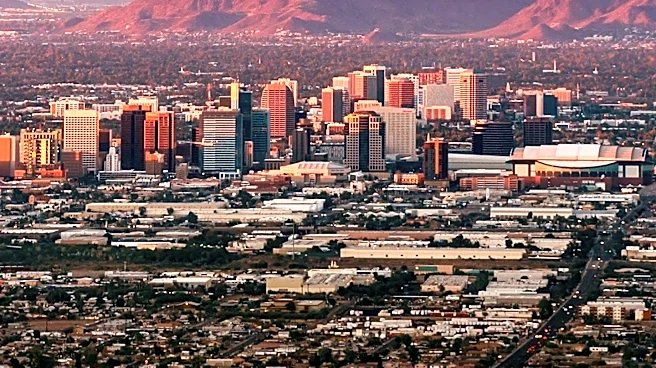





Phoenix, Arizona, is a city that grapples with the urban heat island effect, a phenomenon where urban areas experience higher temperatures than their rural surroundings. This effect is particularly pronounced in Phoenix due to its rapid expansion and development. This article examines the causes and consequences of the urban heat island effect in Phoenix and its implications for residents and the environment.
Causes of the Urban Heat Island Effect
The urban heat island effect in Phoenix
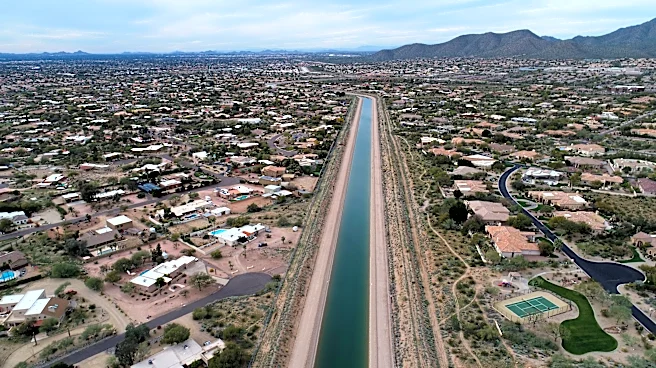
is primarily driven by the city's extensive development and infrastructure. As Phoenix has grown, the proliferation of pavement, sidewalks, and buildings has contributed to the retention of heat. These surfaces absorb and store the Sun's energy during the day and radiate it at night, leading to higher nighttime temperatures.
The effect is further exacerbated by the city's geographic location within the Sonoran Desert, where natural vegetation is sparse. The lack of greenery and open spaces reduces the ability of the environment to cool down, intensifying the heat island effect. As a result, Phoenix experiences less diurnal temperature variation compared to other desert locations.
Impact on Residents
The urban heat island effect has significant implications for the residents of Phoenix. The increased temperatures can lead to higher energy consumption as air conditioning units work harder to cool homes and businesses. This not only results in higher utility bills but also places a strain on the power grid during peak summer months.
Moreover, the heat poses health risks, particularly for vulnerable populations such as the elderly and those with pre-existing health conditions. The prolonged exposure to high temperatures can lead to heat-related illnesses, necessitating public health interventions and awareness campaigns.
Environmental Consequences
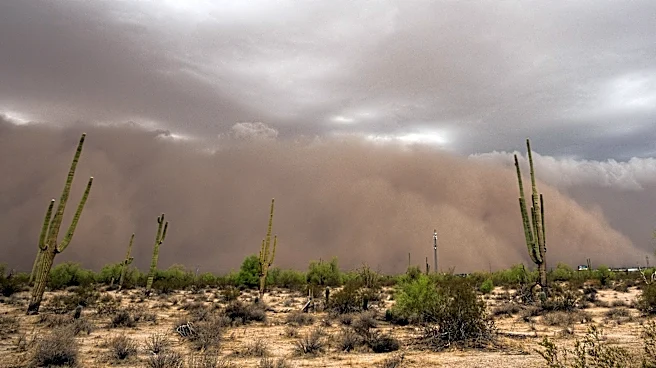
The environmental impact of the urban heat island effect in Phoenix is multifaceted. The increased temperatures contribute to higher levels of ozone pollution, with vehicle emissions acting as precursors to ozone formation. Additionally, the city faces challenges with particulate pollution, including PM2.5 and PM10 particles, which can reach concerning levels and pose health risks.
Efforts to mitigate the urban heat island effect include urban planning initiatives aimed at increasing green spaces and vegetation. Planting trees and creating parks can help reduce temperatures and improve air quality. As Phoenix continues to grow, addressing the urban heat island effect becomes increasingly important for the sustainability and livability of the city.