



The atomic bombings of Hiroshima and Nagasaki in August 1945 were catastrophic events that left a lasting impact on the cities and their inhabitants. These bombings not only caused immediate destruction but also had long-term effects on the survivors and the cities' recovery.
Immediate Destruction and Casualties
The bombings of Hiroshima and Nagasaki resulted in unprecedented destruction. On August 6, 1945, the atomic bomb "Little Boy" was dropped on Hiroshima, instantly killing tens
of thousands of people. The explosion obliterated much of the city, leaving it in ruins. Three days later, on August 9, the bomb "Fat Man" was dropped on Nagasaki, causing similar devastation.
The immediate casualties were staggering, with estimates of over 100,000 people killed in Hiroshima and tens of thousands more in Nagasaki. Many of those who survived the initial blasts suffered from severe injuries and radiation sickness, leading to additional deaths in the weeks and months that followed. The bombings also destroyed infrastructure, homes, and businesses, leaving the cities in a state of chaos and despair.
Long-Term Effects on Survivors
The survivors of the bombings, known as hibakusha, faced numerous challenges in the aftermath. They suffered from long-term health effects due to radiation exposure, including increased rates of cancer and other illnesses. The psychological trauma of the bombings also had a profound impact on the survivors, many of whom struggled with the memories of the devastation and loss of loved ones.
In the years following the bombings, the Japanese government recognized the unique needs of the hibakusha and provided them with medical care and financial support. Despite these efforts, many survivors faced discrimination and stigma due to their exposure to radiation, which affected their social and economic opportunities.
Rebuilding and Recovery
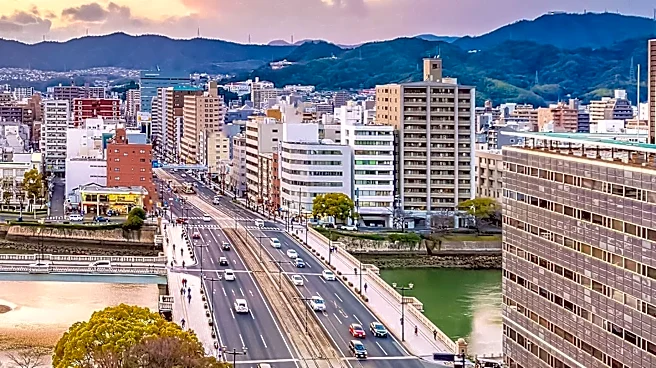
Rebuilding Hiroshima and Nagasaki was a monumental task. The cities had to be reconstructed from the ground up, with new infrastructure and housing needed to accommodate the displaced population. The Japanese government, along with international aid, played a crucial role in the recovery efforts.
Over time, both cities transformed into symbols of peace and resilience. Hiroshima, in particular, became a center for anti-nuclear advocacy, with the Hiroshima Peace Memorial Park serving as a reminder of the horrors of nuclear warfare. Nagasaki also commemorated the bombing with memorials and museums dedicated to promoting peace and educating future generations about the consequences of nuclear weapons.
The atomic bombings of Hiroshima and Nagasaki left an indelible mark on history, highlighting the devastating power of nuclear weapons and the resilience of the human spirit in the face of unimaginable adversity.