






Korma stands out in the diverse world of curries due to its distinctive preparation methods and nuanced flavor profile. Unlike many other meat-containing dishes from the Indian subcontinent, korma is celebrated for its less intense flavors and more aromatic fragrances. This unique character is achieved through a specific braising technique combined with a careful selection of ingredients, including yogurt, water or stock, and a blend of spices. Understanding
the culinary artistry behind korma reveals why it has remained a beloved dish, offering a rich and satisfying experience that balances richness with delicate aromatics.
The Braising Technique: A Foundation of Flavor
The core of korma preparation lies in its braising technique, which shares similarities with other slow-cooking methods. The process typically begins by cooking the meat or vegetables briskly, often referred to as searing, over high heat. Traditionally, this initial searing is done using ghee, clarified butter, which imparts a rich, nutty flavor. This high-heat step helps to lock in flavors and create a desirable texture on the exterior of the main ingredients.Following the initial searing, the ingredients are subjected to a long, slow cooking process using moist heat. This phase involves adding a minimum amount of liquid, allowing the meat or vegetables to tenderize gradually and absorb the flavors of the accompanying spices and liquids. A key technique often employed in the later stages of cooking is called "dum" or "dampokhtak," where the pot is sealed with dough. This sealing traps steam and flavors inside, ensuring that the ingredients cook evenly in their own juices and the aromatic steam, resulting in a deeply infused and tender dish.
Spices, Tempering, and Finishing Touches
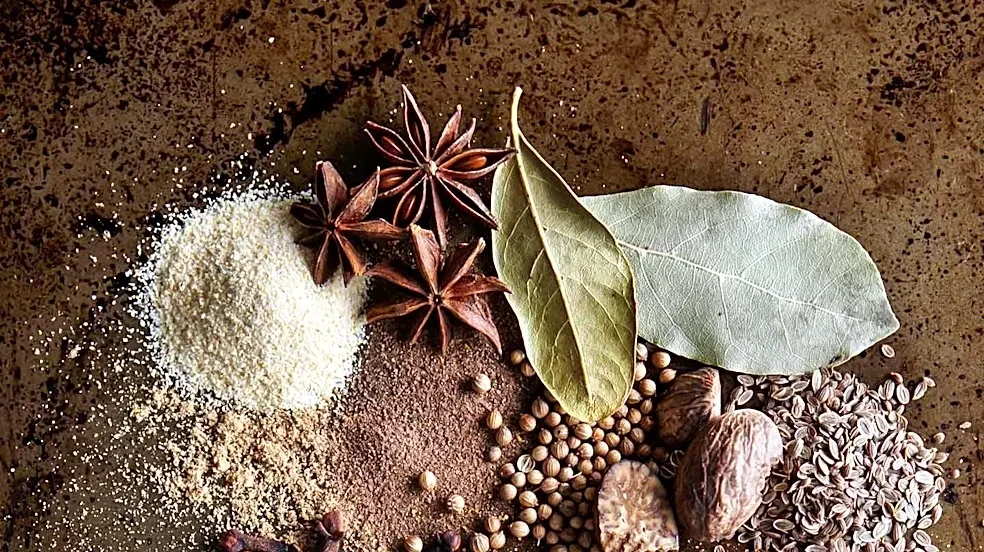
The spice blend in korma is crucial to its aromatic profile. Spices are often prepared using the "bagar" tempering technique, where they are briefly fried in hot oil. This process releases their essential oils and enhances their fragrance before they are incorporated into the dish. In a later stage of cooking, additional spices might be mixed with heated ghee and then combined with the sauce that forms during the braising process. The pan is then covered and shaken, a method that helps to release steam and thoroughly mix the contents, ensuring an even distribution of flavors.While yogurt is a traditional base, some modern Bangladeshi cooks may use thick evaporated milk as a substitute, showcasing regional variations in ingredients. As the cooking process concludes, butter or cream is sometimes added. These additions contribute to the dish's characteristic richness and smooth texture, rounding out the flavors. The careful layering of spices, the controlled braising, and the final enriching touches all contribute to korma's reputation as a dish that is both complex and comforting.