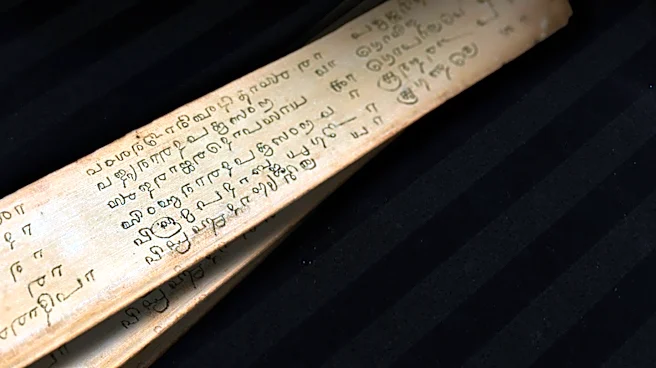

Scribes, as professional copyists, played an indispensable role in the transmission and preservation of knowledge long before the advent of mechanical printing. Their work extended beyond mere copying,
encompassing secretarial and administrative duties that were crucial for the functioning of ancient and medieval societies. From the earliest civilizations in Mesopotamia to the vast empires of Rome and the rich traditions of Judaism, Buddhism, and Islam, scribes were central figures. Their meticulous efforts ensured the survival of legal codes, religious texts, and a wide array of literature, shaping the cultural and intellectual landscapes of their times.
The Genesis of the Scribe Profession
The profession of the scribe first emerged in Mesopotamia, marking a pivotal development in human history. In these early societies, scribes were not just writers but also record-keepers, administrators, and often, trusted advisors. Their ability to read and write in a largely illiterate world granted them significant status and influence. They were responsible for documenting everything from economic transactions to royal decrees, laying the groundwork for organized governance and historical record-keeping.As civilizations flourished, the role of the scribe expanded across diverse cultures. Ancient Egypt, China, India, Persia, and the Roman Empire all relied heavily on scribes to manage their complex administrative and cultural needs. These individuals were fundamental to the development and maintenance of these societies, serving as the intellectual backbone that supported their growth and stability. Their work ensured that knowledge and traditions could be passed down through generations, forming the bedrock of future advancements.
Scribes in Religious and Literary Traditions
Scribes held particular importance within religious traditions, where the accurate copying of sacred texts was considered a devout act. Judaism, Buddhism, and Islam, for instance, all developed significant scribal traditions. In Buddhism, scribes believed that copying texts could bring them closer to perfection and earn merit, highlighting the spiritual dimension of their work. The preservation of religious texts, such as the Buddhist Tripiṭaka, which emerged in the first century, was a sacred duty that ensured the continuity of faith and doctrine.Beyond religious texts, scribes were essential for the preservation of legal codes, artistic literature, and didactic works. They meticulously reproduced manuscripts, ensuring that the wisdom and creativity of their cultures endured. While the social functions of scribes and calligraphers sometimes overlapped, the primary emphasis in scribal writing was on exactitude and fidelity to the original content. This focus on precision was paramount for maintaining the integrity of important documents and literary works.
The Roman Amanuensis and the Decline of Scribes
In the Roman Empire, a specialized type of scribe known as an amanuensis played a crucial role. These scribes took dictation and often refined the composition of texts. Upper-class Romans frequently employed amanuenses; Julius Caesar, for example, was said to have used as many as four secretaries simultaneously for different projects. The Apostle Paul, a Roman citizen fluent in Greek, also utilized an amanuensis for his epistles. However, for personal letters to friends, it was considered impolite to use a scribe, as these were expected to be handwritten.The prominence and status of scribes began to diminish significantly with the invention of the printing press. This technological innovation revolutionized the production of texts, making mass replication possible without the need for manual copying. While the less prestigious profession of scrivener continued to be important for legal documents, the widespread role of the scribe as a primary copyist largely faded. Nevertheless, in societies with low literacy rates, street-corner letter-writers still provide a form of scribe service, demonstrating the enduring need for such skills in certain contexts.