


Kanye West's fifth studio album, "My Beautiful Dark Twisted Fantasy," released on November 22, 2010, by Roc-A-Fella and Def Jam, stands out not only for its critical acclaim but also for its distinctive recording process. Following a hiatus from his musical career, West approached the album's creation with a community-oriented development strategy. This involved him and numerous other musicians and producers collectively contributing to the music,
fostering an environment of shared creativity that profoundly influenced the album's varied musical style and opulent production quality.
The Honolulu Hub: Avex Recording Studio
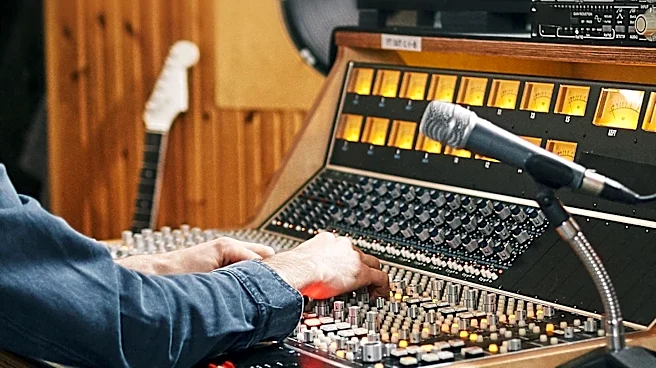
The primary recording sessions for "My Beautiful Dark Twisted Fantasy" took place at the Avex Recording Studio in Honolulu, Hawaii, between 2009 and 2010. West, who had previously recorded his album "808s & Heartbreak" at the same studio, booked its rooms indefinitely for the project. This extended booking allowed for an immersive and continuous creative flow. According to Noah Callahan-Bever, editor-in-chief of Complex and a friend of West, the artist would retreat to Hawaii, bringing his favorite producers and artists to work and inspire his recording process, effectively creating a "Rap Camp."
West often worked through the night, catching brief moments of sleep at the studio, while recording engineers maintained a 24-hour presence behind the mixing board. This relentless dedication ensured that creative impulses could be captured at any moment. Before afternoon recording sessions, West and much of his team would engage in 21-style basketball games with locals at the Honolulu YMCA, providing a recreational outlet. Additionally, West arranged for breakfast to be served every morning at his Diamond Head home for his entire team, further cultivating a communal atmosphere.
A Council of Creativity
Throughout the album's development, West actively encouraged other producers and musicians to engage with the album's music through discussions and direct contributions in the studio. Callahan-Bever observed during his visits that despite the gathering of heavy-hitting figures, egos rarely clashed. Instead, conversations were expansive, illuminating, and productive, driven by a collective desire to contribute, challenge, and inspire. This approach fostered an environment where diverse perspectives could shape the evolving sound of the album.
Q-Tip, a participant in this process, described it as "music by council," emphasizing its importance to the recording process and West's working ethos. He noted West's genuine willingness to listen to everyone's ideas, whether good or bad, stating, "Everybody has a voice and an idea, so he genuinely wants to hear what you have to say." When West had beats or rhythms, he would invite everyone to this "council," encouraging them to evaluate, dissect, or add to what he had started. Q-Tip concluded that by the end of the sessions, West would synthesize and transform everyone's contributions, making the whole greater than the sum of its parts, likening his work to alchemy. This collaborative spirit, with West at its helm, was instrumental in crafting the album's complex and acclaimed sound.