



*My Fair Lady*, the iconic musical, made a significant transition from the stage to the silver screen, culminating in its celebrated 1964 film adaptation. This cinematic endeavor brought the beloved story to a wider audience, showcasing the talents of its lead actors and the vision of its director. The film's journey from its premiere to its later restorations highlights its enduring legacy and the efforts made to preserve its artistic integrity for future
generations.
The Grand Premiere and Initial Release
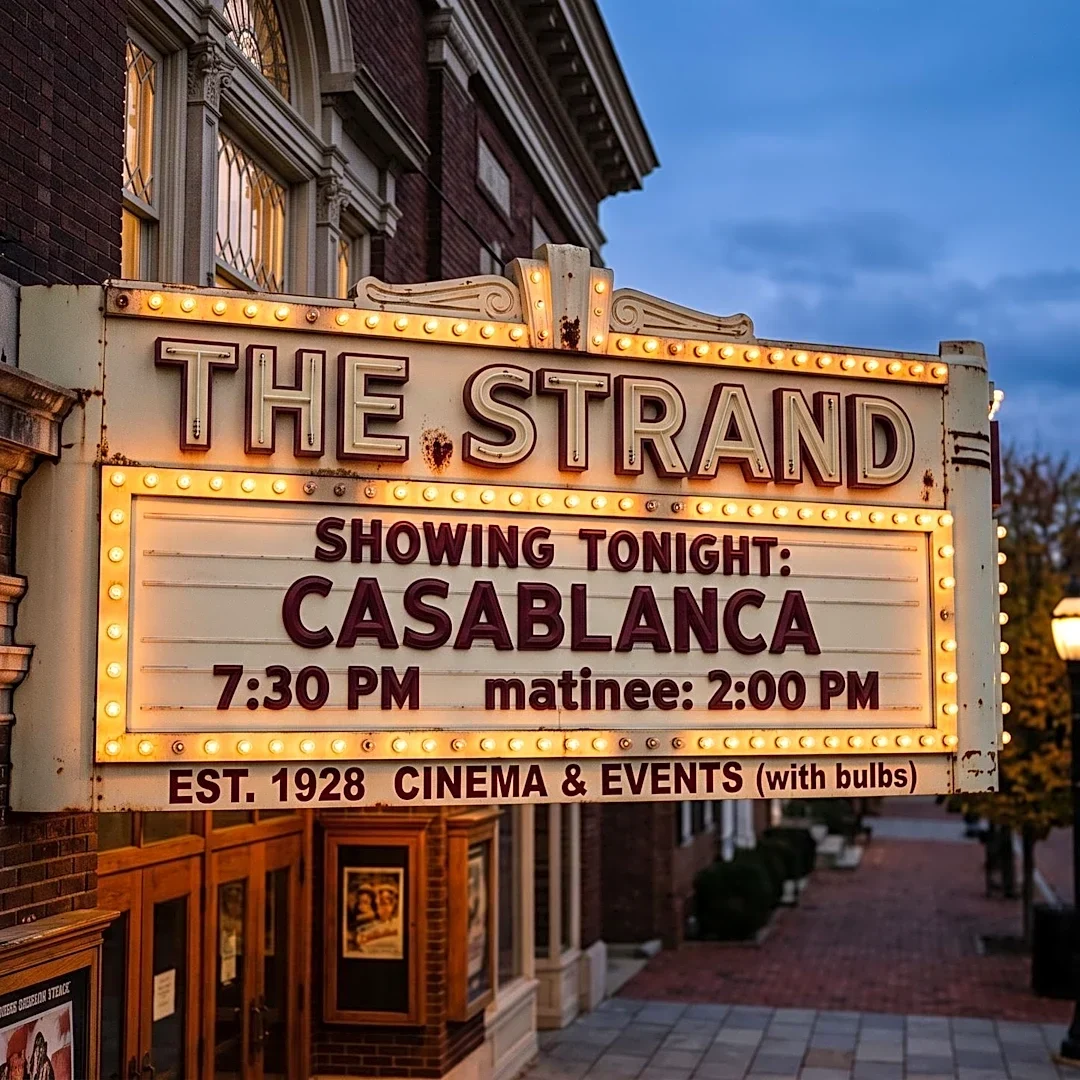
The film *My Fair Lady* had its grand premiere on October 21, 1964, at the Criterion Theatre in New York City. This event marked the official introduction of the cinematic version of the popular musical to the public. Following the premiere, the film began its regular theatrical run the very next day, allowing audiences across the nation to experience the lavish production.
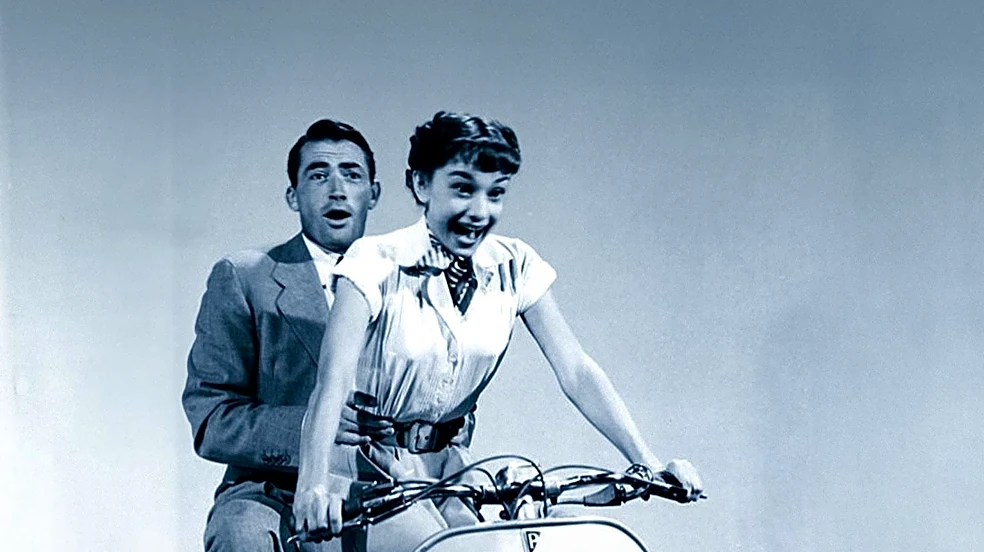
Directed by George Cukor, the film starred Audrey Hepburn in the role of Eliza Doolittle and Rex Harrison as Professor Henry Higgins. Their performances, along with the film's opulent sets and costumes, contributed to its immediate success and critical acclaim. The production was overseen by Jack L. Warner, and its distribution was handled by Warner Bros., ensuring a wide release and significant promotional efforts.
Behind the Scenes: Production and Direction
Jack L. Warner served as the producer for the *My Fair Lady* film, a role that involved overseeing the entire production process from financing to final cut. His involvement was crucial in bringing such a large-scale musical to the screen, ensuring that the film maintained the grandeur and charm of its stage predecessor while adapting it for a new medium. The choice of George Cukor as director was also a key factor in the film's success.
Cukor, known for his ability to direct strong female characters and his meticulous attention to detail, guided the performances of Hepburn and Harrison, helping them to embody their iconic roles. The collaboration between the producer, director, and the star-studded cast was instrumental in creating a film that resonated with both critics and audiences, solidifying its place in cinematic history. The film's success was not just in its box office performance but also in its ability to capture the essence of the original musical.
Preserving a Classic: The 1994 Restoration
Decades after its initial release, *My Fair Lady* underwent a significant restoration process in 1994. This restoration was undertaken to celebrate the film's 30th anniversary, ensuring that its visual and audio quality would meet contemporary standards and be preserved for future viewing. The meticulous work involved in restoring such a classic film often includes cleaning and repairing original negatives, color correction, and audio remastering.
The restored version of *My Fair Lady* premiered at the Toronto International Film Festival on September 10, 1994. This premiere allowed a new generation of film enthusiasts and long-time fans to experience the film in a revitalized format, highlighting the enduring appeal of its story, music, and performances. The restoration efforts underscore the film's cultural importance and the commitment to maintaining its quality as a piece of cinematic art.