


The 1900 Galveston hurricane, often referred to as the Great Storm of 1900, unleashed an unparalleled level of destruction upon the island city of Galveston, Texas. This catastrophic tropical cyclone remains the deadliest natural disaster in U.S. history, with an estimated 6,000 to 12,000 fatalities, most of which occurred in and around Galveston. The city, once a thriving port, was fundamentally reshaped by the storm's immense power, particularly
its devastating storm surge and relentless winds. The events of September 8, 1900, left an indelible mark on the city, transforming its landscape and the lives of its inhabitants forever.
The Overwhelming Storm Surge and Rapid Water Rise
At the time of the 1900 hurricane, Galveston's highest point was a mere 8.7 feet (2.7 meters) above sea level, making it exceptionally vulnerable to coastal flooding. The hurricane brought with it a storm surge that exceeded 15 feet (4.6 meters), effectively washing over the entire island. This immense wall of water began flooding the city in the early morning hours of September 8. The water level rose steadily from 3:00 p.m. (21:00 UTC) until approximately 7:30 p.m. (01:30 UTC September 9).Eyewitness accounts from that evening paint a terrifying picture, indicating that the water rose about 4 feet (1.2 meters) in just four seconds during the peak of the surge. An additional 5 feet (1.5 meters) of water had flowed into portions of the city by 8:30 p.m. (02:30 UTC September 9). Compounding the flooding, the cyclone dropped 9 inches (230 mm) of precipitation in Galveston on September 8, setting a record for the most rainfall in any 24-hour period for the month of September in the city's history. This combination of storm surge and heavy rainfall created an inescapable deluge for the island's residents.
Ferocious Winds and Barometric Pressure Records
The hurricane's winds were equally destructive. The highest measured wind speed recorded was 100 mph (160 km/h) just after 6:15 p.m. on September 8 (00:15 UTC September 9). However, the Weather Bureau's anemometer was blown off the building shortly after this measurement, suggesting that the winds likely intensified further. Observer John D. Blagden remained at the station through the height of the storm, meticulously taking readings of the mercurial barometer at five-minute intervals until all instruments were destroyed. His lowest recorded reading was 28.53 inches of mercury, which was the lowest barometric pressure ever recorded in the country at that time.Contemporaneous estimates placed the maximum sustained wind speed at 120 mph (190 km/h). However, survivors reported observing bricks, slate, timbers, and other heavy objects becoming airborne, indicating that the winds were likely even stronger. Later estimates, using the Saffir–Simpson scale, classified the hurricane as a higher Category 4. The lowest recorded barometric pressure was 964.4 mbar (28.48 inHg), which was subsequently adjusted to the storm's official lowest measured central pressure of about 936 mbar (27.6 inHg). These extreme meteorological conditions contributed to the widespread structural collapse across the island.
Unprecedented Structural Damage and Loss of Life
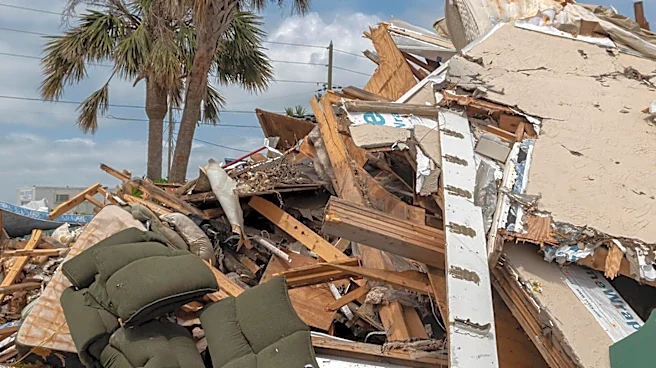
The storm's impact on Galveston's infrastructure was catastrophic. Few streets escaped wind damage, and all streets suffered water damage, with much of the destruction directly attributable to the storm surge. All bridges connecting the island to the mainland were washed away, and approximately 15 miles (24 km) of railroad track were destroyed. Winds and storm surge also downed electrical, telegraph, and telephone wires, isolating the city from the outside world.The surge swept buildings off their foundations and dismantled them. Many buildings and homes, once dislodged, became battering rams, destroying other structures as they were pushed by the waves. Even structures built to withstand hurricanes were demolished. Every home on the island suffered damage, with 3,636 homes completely destroyed. Approximately 10,000 people were left homeless out of a total population of nearly 38,000. The Tremont Hotel, where hundreds sought refuge, was severely damaged. James C. Timmins, a superintendent who rode out the storm there, described women and children crowded into the hotel, lamenting their losses. He also noted the destruction of the waterworks power house and the overflow of saltwater into every cistern, creating a severe water famine for survivors.
Public buildings, including city hall (which was completely de-roofed), a hospital, a city gas works, a city water works, and the custom house, all sustained damage. The Grand Opera House was extensively damaged but quickly rebuilt. Three schools and St. Mary's University were nearly destroyed, and of Galveston's 39 churches, 25 were completely demolished, with the rest damaged. A particularly tragic event occurred at St. Mary's Orphans Asylum, where 93 children and 10 sisters sought refuge. As the building collapsed, the sisters tied themselves to groups of children with a clothesline in a desperate attempt to save them. Only three children and none of the sisters survived. The area of complete destruction, where nothing remained standing, covered approximately 1,900 acres (768.9 ha) and was arc-shaped, with the most severe demolition in the west, south, and eastern parts of the city. In the immediate aftermath, a 3-mile (4.8 km) long, 30-foot (9.1 m) wall of debris lay in the middle of the island.