





While the spotlight in any no-hitter naturally falls on the pitcher, or pitchers, who achieve the rare feat of preventing any hits, the success of such a game is also deeply intertwined with the contributions of other key figures: the umpire and the manager. These individuals, though not directly throwing pitches, play integral roles in shaping the environment and making the critical decisions that can lead to a no-hitter. For the Chicago White Sox,
who boast twenty no-hitters in their franchise history, the involvement of numerous umpires and managers highlights their often-underappreciated impact on these historic games.
The Umpire's Crucial Judgment
The umpire's role in a baseball game is fundamental, as they are responsible for making all decisions that involve judgment. This includes, but is not limited to, determining whether a batted ball is fair or foul, whether a pitch is a strike or a ball, or whether a runner is safe or out. The umpire's judgment on these matters is considered final, underscoring the weight of their decisions. A critical aspect of an umpire's duties, particularly for those behind home plate, is defining the strike zone. This zone is precisely defined as the area over home plate, with its upper limit being a horizontal line at the midpoint between the top of the shoulders and the top of the uniform pants, and its lower level being a line at the hollow beneath the kneecap.
These precise calls are integral to every baseball game and, consequently, to the successful completion of any no-hitter. The consistency and accuracy of an umpire's strike zone calls can significantly influence a pitcher's ability to command the plate and retire batters without allowing hits. Across the White Sox's twenty no-hitters, sixteen different umpires have presided over these games. Notably, Eric Cooper had the unique distinction of umpiring both of Mark Buehrle's no-hitters, including his perfect game. Another umpire, Doug Eddings, who was behind the plate for Carlos Rodón's no-hitter, is also remembered for his role in the White Sox's 2005 American League Championship Series Game 2 victory, which involved the infamous dropped third strike call. These examples illustrate the direct and lasting impact umpires have on the game's most memorable moments.
The Manager's Strategic Hand
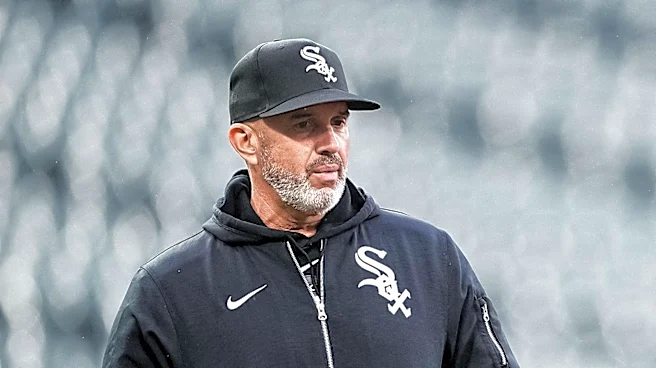
Equally vital to the success of a no-hitter is the manager. The manager's tasks extend beyond the dugout, encompassing crucial strategic decisions that set the stage for a pitcher's dominance. These responsibilities include determining the starting rotation, which pitcher will take the mound on a given day, as well as setting the batting order and the defensive lineup for every game. The manager's choice of pitcher, combined with their strategic placement of fielders, can create the optimal conditions for a no-hitter to unfold.
Seventeen different managers have led the Chicago White Sox during their twenty no-hitters, reflecting a diverse array of leadership styles and strategic approaches that have contributed to these rare achievements. The manager's ability to identify a pitcher who is "on" and to make timely decisions regarding pitch counts, defensive shifts, and bullpen management can be the subtle difference between a strong outing and a historic no-hitter. While the pitcher executes the pitches, the manager orchestrates the overall game plan, making them an indispensable, albeit often behind-the-scenes, part of any no-hitter's success story.