




The unitard, a skintight, one-piece garment with long legs, has had a complex and often controversial history within competitive sports. While offering practical benefits like flexibility and full body coverage, its adoption has been met with varying degrees of acceptance, sometimes leading to bans or strong opinions from judges and governing bodies. This journey reflects evolving attitudes towards athletic attire, modesty, and performance aesthetics
across different disciplines.
Early Appearances and Notable Incidents
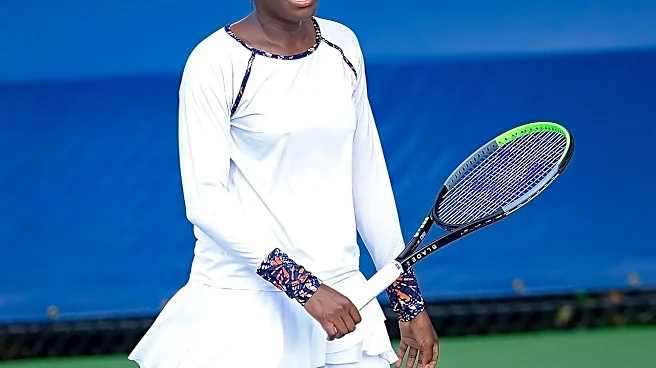
One of the most widely reported instances of a unitard in competitive tennis occurred in 1985, when Anne White wore a white unitard for the first two sets of a match at the Women's Singles Championship at Wimbledon. This decision garnered significant attention, highlighting the garment's unusual presence in a sport traditionally associated with more conventional attire. Despite its practicality, the unitard remained an uncommon sight in tennis for many years.
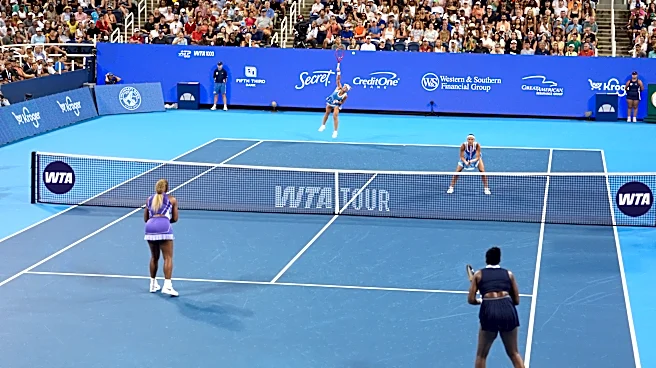
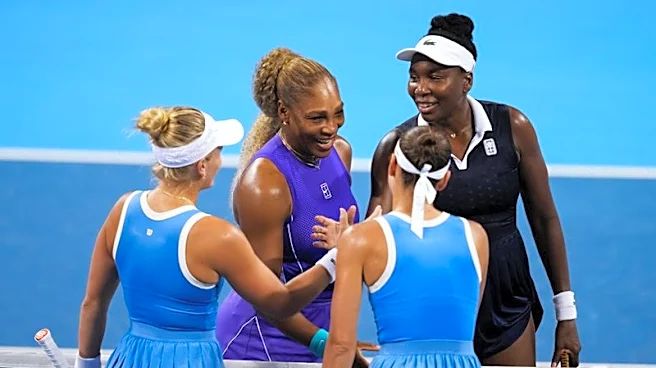
More recently, Serena Williams wore a unitard during a Wimbledon practice session in 2013 and again during the 2018 French Open. The latter appearance led to the garment type being banned at the French Open, underscoring the ongoing debate about appropriate dress codes in professional sports. These incidents illustrate how individual choices by prominent athletes can challenge established norms and provoke official responses regarding attire.
Figure Skating: From Illegality to Rare Acceptance
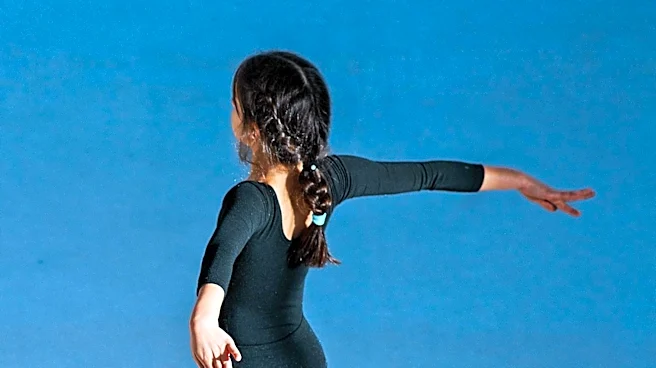
Figure skating provides another compelling example of the unitard's contentious path in competition. In the 1990s, wearing unitards in figure skating was explicitly deemed "illegal in competition and discouraged in practice." This strict regulation reflected a preference for traditional dresses, which conservative judges considered more appropriate for the sport's aesthetic.
However, modern rules have evolved to allow unitards in figure skating. Despite this change, they continue to be a rare sight in competitions. The lingering perception among some judges that dresses are more suitable suggests that while the garment is no longer banned, cultural and aesthetic preferences still influence its adoption. This demonstrates how rule changes do not always immediately translate into widespread acceptance, especially in sports with strong artistic components.
Other Sports and the Quest for Functionality
Beyond tennis and figure skating, the unitard's functional advantages have been explored in other athletic contexts. The North Carolina State college men's basketball team, for example, briefly experimented with Nike-designed unitards in 1989. The primary motivation was to address the practical issue of jerseys coming untucked during play. Although this particular trial was short-lived, lasting only two games, it highlights the garment's potential to solve specific performance-related problems.
The unitard's close relation to the wrestling singlet, which is essentially a unitard with shorter legs, further emphasizes its role in sports where a streamlined, full-coverage garment is beneficial. For athletes like acrobats, gymnasts, dancers, equestrian vaulters, and contortionists, the unitard's design is crucial for maintaining flexibility and overall body coverage without impediment. The ongoing tension between tradition, aesthetics, and functional benefits continues to shape the unitard's place in the world of competitive sports.