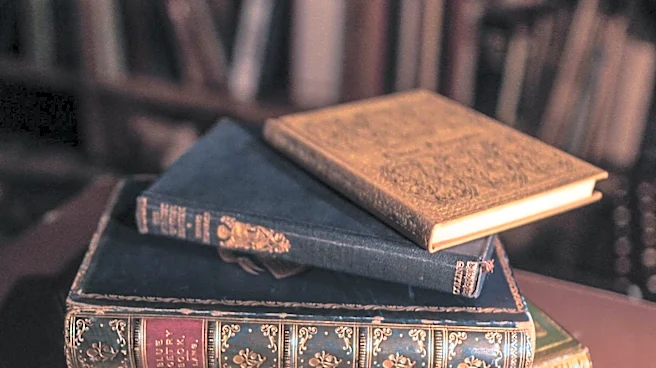


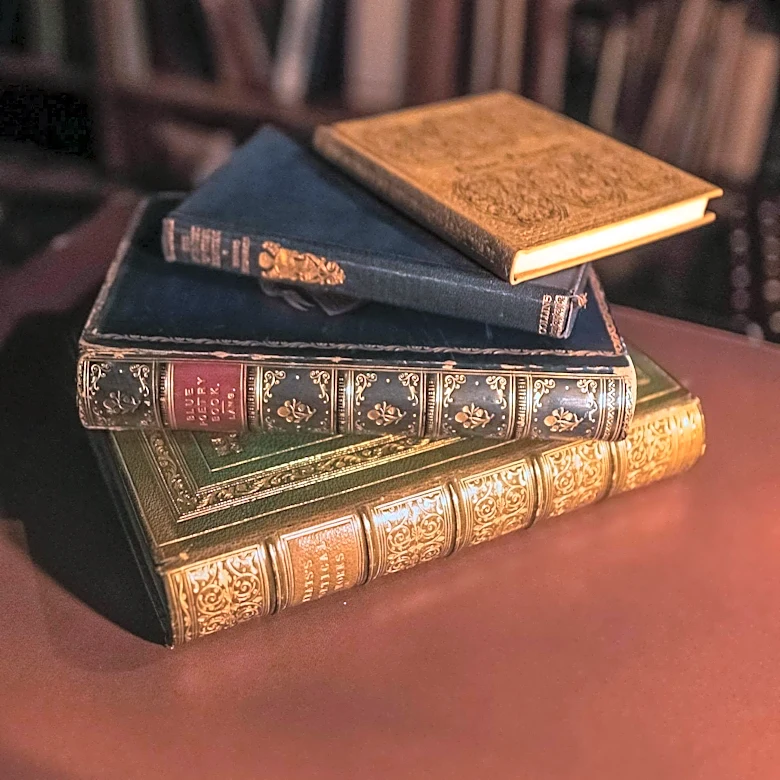





In literature, a serial is a publishing format where a single, often larger work, typically a narrative fiction, is released in smaller, sequential installments. These installments, also known as numbers, parts, fascicules, or fascicles, can appear as separate publications or within sequential issues of a periodical, such as a magazine or newspaper. This method of storytelling has a rich history, allowing authors to engage readers over extended periods
and adapt to audience reactions. The practice of serializing literature has shaped how many classic novels were consumed and created, fostering a unique relationship between writer and reader.
This format was not limited to fiction; it also encompassed other types of works. The ability to release content in parts allowed publishers to test the popularity of a work without committing to the full expense of bound volumes upfront. If a serial proved successful, it was a good indication that a complete bound edition would also sell well. This economic model, combined with the growing literacy rates, contributed significantly to the format's widespread adoption and influence on literary culture.
The Rise of Serialized Fiction in the 19th Century
Serialized fiction experienced a significant surge in popularity during Britain's Victorian era. This was due to a confluence of factors, including increased literacy, advancements in printing technology, and improved distribution economics. Most Victorian novels initially appeared as installments in monthly or weekly periodicals. Charles Dickens's *The Pickwick Papers*, first published in 1836, is widely credited with establishing the viability and appeal of the serialized format within periodical literature.
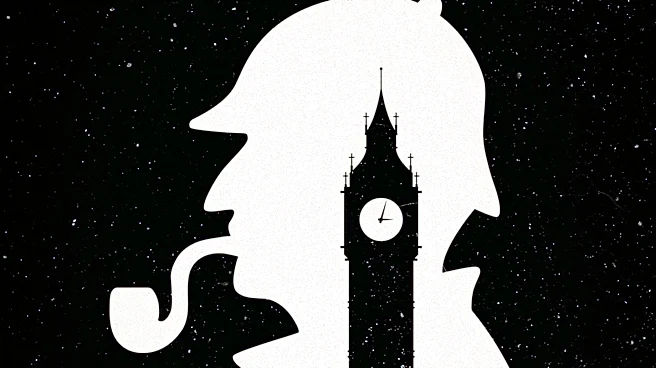
Dickens's approach to serial writing aimed to leave readers constantly wanting more, a strategy exemplified by a passage where Sam Weller's father comments on a letter's sudden ending, to which Sam replies, "Not a bit on it... she'll vish there wos more, and that's the great art o' letter writin'." This desire for more encouraged readers to imagine beyond the novel's pages, leading to theatrical adaptations, plagiarisms, and unauthorized sequels. Other notable writers who embraced serial literature included Wilkie Collins, Anthony Trollope, and Sir Arthur Conan Doyle, whose Sherlock Holmes stories first appeared in *The Strand* magazine.
American and European Serial Traditions
American periodicals initially syndicated British writers but eventually cultivated a growing base of domestic authors. Magazines like *Harper's* and *the Atlantic Monthly* developed a symbiotic relationship with American literary talent, providing economic support for writers while the writers, in turn, helped grow the periodicals' circulation. During the late 19th century, many of the best American writers first published their work in serial form before releasing it as a complete volume. Henry James and Herman Melville were among the American authors who utilized this format.
In France, Alexandre Dumas and Eugène Sue were masters of the serialized genre. *The Three Musketeers* and *The Count of Monte Cristo* both appeared as *feuilletons*, with *The Count of Monte Cristo* extending to 139 installments. Eugène Sue's *Le Juif errant* dramatically increased the circulation of *Le Constitutionnel*. This method of payment, often by line and by episode, encouraged authors and publishers to prolong successful stories, contributing to the considerable length of many 19th-century novels. Gustave Flaubert's *Madame Bovary* was also serialized in *La Revue de Paris* in 1856.
Modern Manifestations and Legacy
While the pace of writing varied—Dumas could work on several novels simultaneously, while Wilkie Collins was often only a week ahead of publication—the demand for further installments was a significant driver of authorial success. The serial format has continued to evolve, with the rise of fan fiction on the internet following a similar style of publication on platforms like FanFiction.Net and Archive of Our Own (AO3). Aspiring authors also use web-based communities and their own websites to publish free-to-read serialized works.
The prevalence of mobile devices has further popularized the serial format, with apps like JukePop Serials and Serial Box focusing on curating and promoting serialized novels. This demonstrates the enduring adaptability of the serial model, from its origins in early printing to its contemporary digital forms, continuing to connect authors with eager audiences across different mediums.