



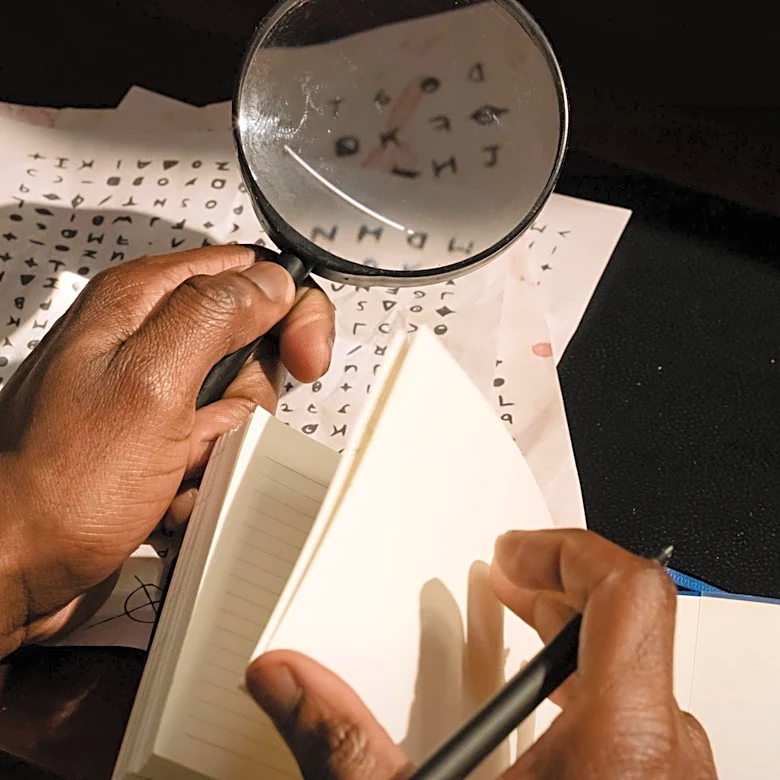







In the world of writing systems, graphemes and glyphs play a pivotal role in how language is visually represented. While graphemes are the abstract units that correspond to phonemes, glyphs are their specific visual manifestations. This article explores the relationship between graphemes and glyphs, highlighting their significance in the visual representation of language.
Defining Graphemes and Glyphs
Graphemes are the smallest functional units in a writing system, representing
phonemes or sounds in a language. They are abstract concepts that can be visually depicted in various forms, known as glyphs. A glyph is the specific shape or design of a character in a particular typeface or font. For example, the letter 'a' can appear in different styles, such as italic or bold, yet all these variations represent the same grapheme.
The distinction between graphemes and glyphs is crucial for understanding how writing systems function. While graphemes provide the linguistic framework, glyphs offer the visual representation, allowing for diverse stylistic expressions. This flexibility is essential for accommodating different writing contexts, from formal documents to artistic expressions.
The Role of Glyphs in Writing Systems
Glyphs are integral to the visual aspect of writing systems, providing the tangible form of graphemes. They are designed to be visually distinct, ensuring that each grapheme is easily recognizable. This visual clarity is vital for effective communication, allowing readers to quickly interpret written texts.
In typography, the design of glyphs is a meticulous process, with each typeface offering a unique interpretation of graphemes. This diversity in design allows for creative expression while maintaining the linguistic integrity of the writing system. Glyphs can vary in style, weight, and orientation, providing a rich visual landscape for written language.
Graphemes, Glyphs, and Linguistic Diversity
The relationship between graphemes and glyphs is not only a matter of visual representation but also of linguistic diversity. Different languages and writing systems utilize unique sets of graphemes and glyphs, reflecting their cultural and linguistic heritage. This diversity is evident in the use of diacritics, ligatures, and other typographic features that distinguish one language from another.
For instance, the use of diacritics in languages like French and Spanish adds an additional layer of complexity to the visual representation of graphemes. These marks modify the base glyph, altering its pronunciation and meaning. Similarly, ligatures, such as 'æ' in Icelandic, represent unique graphemes that have evolved from typographic practices.
In conclusion, graphemes and glyphs are fundamental to the visual representation of language in writing systems. Their interplay allows for a rich tapestry of linguistic expression, accommodating both the abstract and tangible aspects of written communication. As writing systems continue to evolve, the relationship between graphemes and glyphs remains a cornerstone of linguistic diversity and visual creativity.