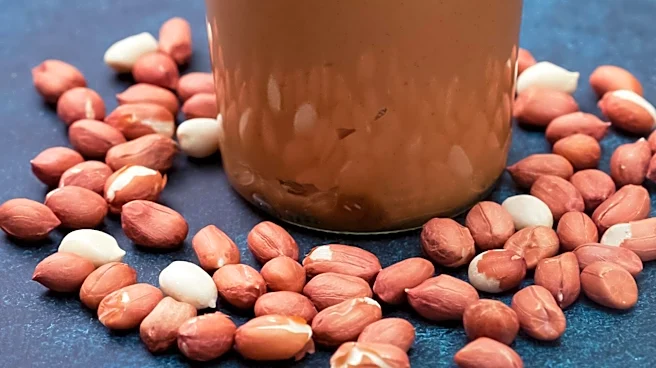




Peanut butter is far more than just a simple spread; it is a nutrient-rich food that offers significant dietary benefits and remarkable versatility in the kitchen. Consumed in numerous countries, it stands out among nut butters for its widespread popularity and adaptability. From its fundamental composition to its various forms and uses, peanut butter consistently proves its value as both a healthful ingredient and a culinary staple.
Nutritional Profile and Health Benefits
At its core, peanut
butter is a nutrient-dense food. It is particularly rich in protein, making it an excellent plant-based source for this essential macronutrient. A 100-gram serving typically provides 22 grams of protein, alongside 51 grams of fat and 22 grams of carbohydrates, totaling 597 kcal (2,500 kJ) of food energy. Beyond these macronutrients, peanut butter also contains high levels of several vitamins and dietary minerals, contributing to overall health and well-being. This robust nutritional profile makes it a valuable addition to many diets, especially for those seeking energy and protein.
The presence of these vitamins and minerals, combined with its protein content, positions peanut butter as a food that can support various bodily functions. Its energy density also makes it a satisfying and sustaining food, capable of providing a quick and efficient source of fuel for daily activities. This combination of protein, healthy fats, and micronutrients underscores its role as a beneficial component of a balanced diet.
Culinary Versatility: Beyond the Sandwich
While famously known as a spread for bread, toast, or crackers, and as the star ingredient in the classic peanut butter and jelly sandwich, peanut butter's culinary applications extend far beyond these traditional uses. Its unique flavor and texture allow it to be incorporated into a wide array of dishes, from breakfast items to desserts.
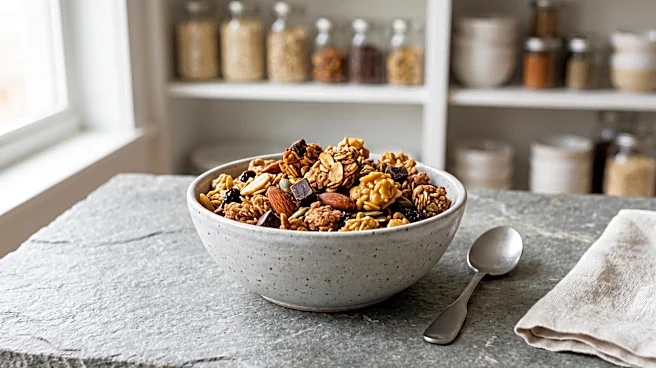
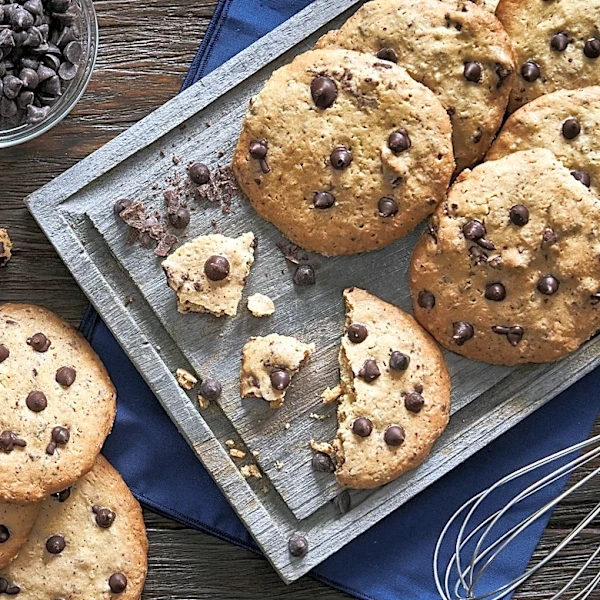
For breakfast, peanut butter can be found in granola, smoothies, and crepes, adding both flavor and a protein boost. In the realm of desserts, it is a popular ingredient in cookies, brownies, and even croissants, lending a distinctive richness. This adaptability highlights peanut butter's role as a culinary chameleon, capable of enhancing both sweet and savory preparations across different meal times. Its ability to blend seamlessly into various recipes makes it a favorite among home cooks and professional chefs alike.
Varieties and Textural Differences
The market offers several types of peanut butter, each catering to different preferences in taste and texture. Conventional peanut butter often includes up to 10% salt, sugars, and hydrogenated vegetable oil, which helps maintain its consistency and prevents oil separation. Crunchy or chunky peanut butter is characterized by the inclusion of coarsely-ground peanut fragments, providing an extra textural dimension that many enjoy.
In contrast, smooth or creamy peanut butter features uniformly ground peanuts, sometimes with added corn syrup and vegetable oil, to create a thick, creamy texture. Natural peanut butter typically contains only peanuts and a small amount of salt. This variety is sold without emulsifiers, meaning that minor separation of oil and salt may occur, requiring stirring to restore its creamy texture before consumption. These variations ensure that there is a peanut butter type to suit nearly every palate and culinary need.