




Dinosaur National Monument, while renowned for its prehistoric dinosaur fossils, also holds significant evidence of human history, showcasing a rich tapestry of cultures and settlements over millennia. Long before its designation as a national monument, the area was home to indigenous peoples, and later, to pioneering ranchers. These human stories, etched into the landscape through archaeological sites and historic structures, provide a compelling
counterpoint to the deep time represented by the dinosaur remains, illustrating continuous human interaction with this unique environment.
The Ancient Fremont People: Early Inhabitants of the Region
The Fremont people were among the earliest known inhabitants of the area now encompassed by Dinosaur National Monument, with archaeological traces dating from approximately 200 CE to 1300 CE. They lived in this region before the 14th century, leaving behind a distinct cultural footprint. Archaeologists first studied and named the Fremont culture along the Fremont River in south-central Utah, subsequently tracing their presence along the Green and Colorado rivers, which flow through the monument.
Unlike later, more settled agricultural societies, the Fremont did not construct large, permanent dwellings. Instead, they lived in small bands, utilizing natural shelters such as rock overhangs and caves, though they also established small villages. Their subsistence strategy was diverse, combining the gathering of wild plant foods like pine nuts, berries, and cactus fruits with hunting wild animals such as mule deer, bighorn sheep, small mammals, and birds. They also practiced agriculture, cultivating corn, beans, and squash, sometimes employing irrigation techniques to support their crops in the arid landscape.
Mysterious Disappearance and Enduring Legacy
The ultimate fate of the Fremont culture remains a subject of archaeological inquiry. Current theories suggest that their way of life may have been altered by environmental factors such as drought and other climatic changes, insufficient natural resources, or the influence of neighboring cultures. Despite their eventual disappearance from the region, the Fremont people left behind a powerful legacy in the form of rock art.
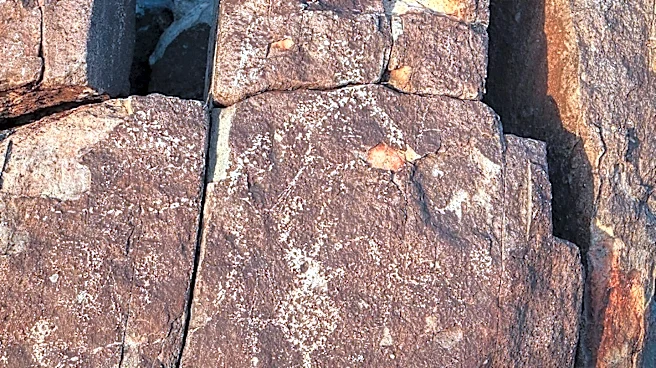
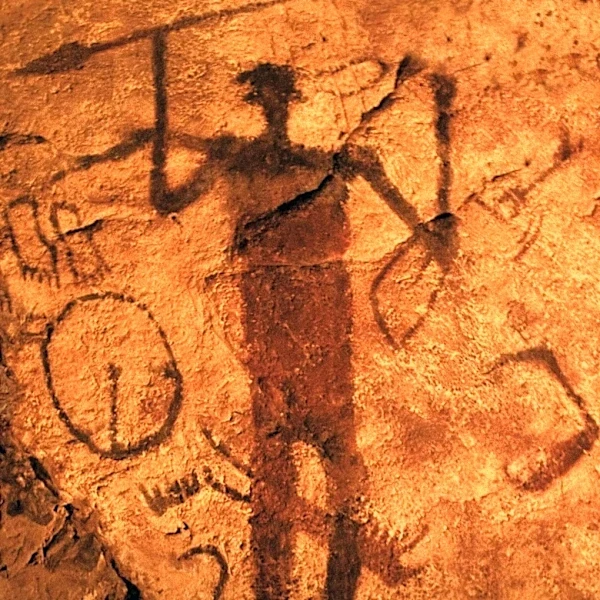
Their presence is vividly marked by petroglyphs and pictographs depicting human and animal figures, as well as abstract designs. The human figures often feature trapezoidal bodies and elaborate decorations, suggesting hats, earrings, necklaces, and shields. Animal figures commonly include bighorn sheep, birds, snakes, and lizards. Purely abstract or geometric designs, such as circles, spirals, and various combinations of lines, are also prevalent. Many of these rock art designs within the national monument are accessible to visitors along four trails in Utah, one of which is near the visitor center, and a fifth trail located in Colorado, offering direct engagement with this ancient artistic heritage.
The Rial Chew Ranch Complex: A Glimpse into Pioneer Life
Beyond the ancient past, Dinosaur National Monument also preserves more recent human history, exemplified by the Rial Chew Ranch Complex. Established in 1902, this complex stands as the most complete example of a family-owned ranch within the monument's boundaries. It comprises 12 contributing properties, including a ranch house built in 1940, notable for its superlative log architecture. The ranch offers a tangible connection to the early 20th-century pioneer life and agricultural practices in the American West, showcasing the resilience and ingenuity of families who settled in this rugged terrain.