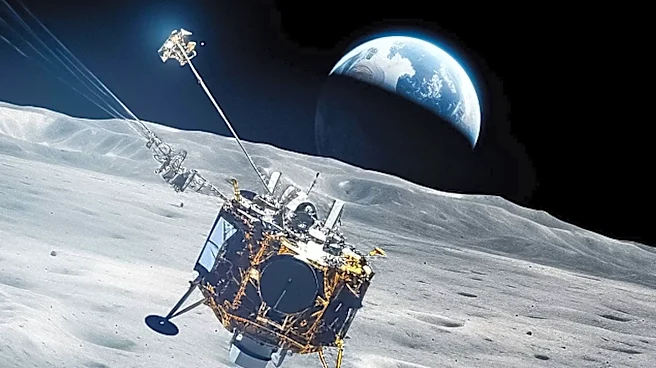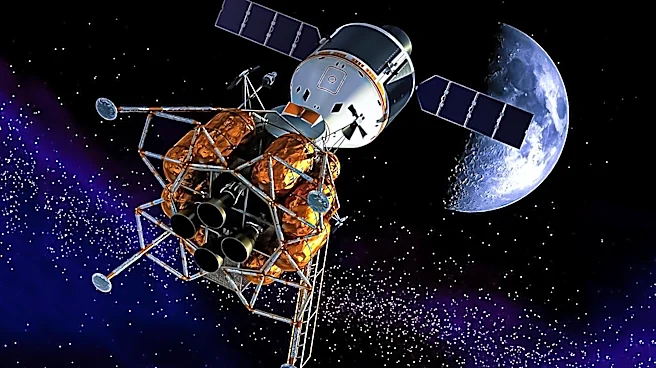

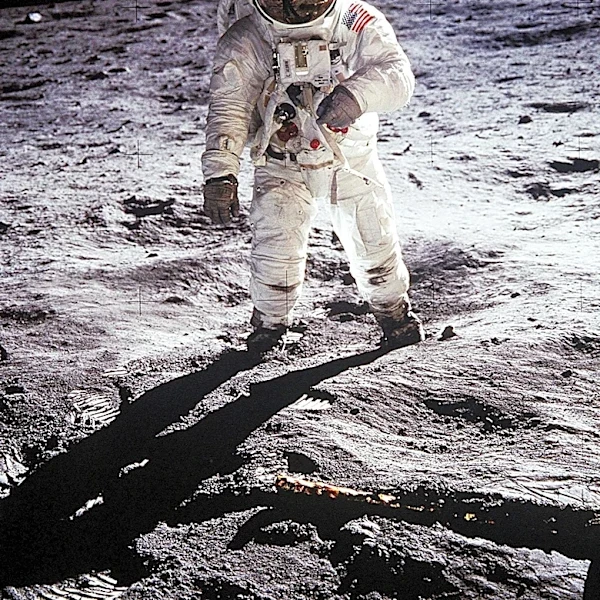

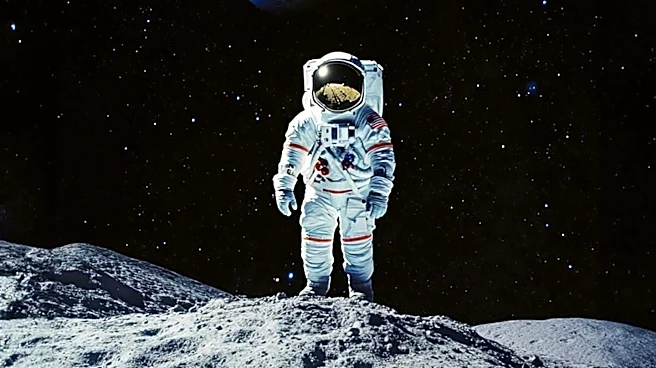
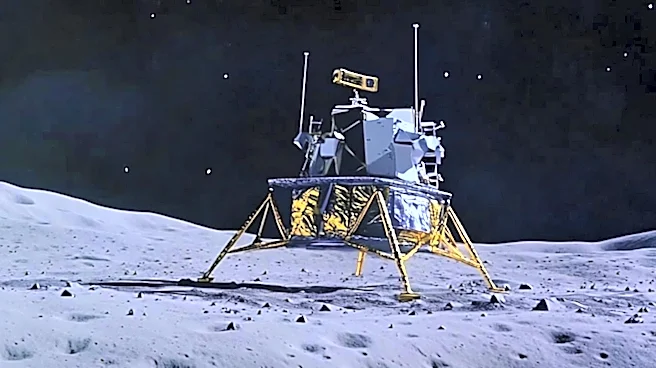
Apollo 15 marked a significant milestone in NASA's Apollo program, being the ninth crewed mission and the fourth to land on the Moon. Launched on July 26, 1971, this mission was notable for its scientific achievements and the introduction of new technology. The mission's duration was 12 days, 7 hours, and 11 minutes, during which the crew conducted extensive lunar exploration and experiments.
The First J Mission
Apollo 15 was the first of the J missions, which were designed
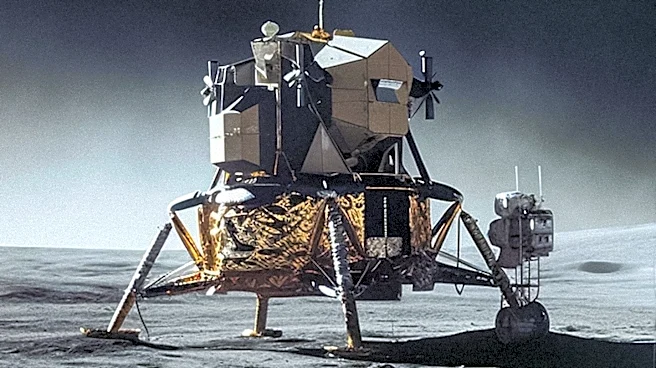
for longer stays on the Moon with a greater emphasis on scientific research. This mission allowed astronauts to spend more time on the lunar surface, enabling them to conduct more detailed geological studies. The crew, consisting of Commander David Scott, Command Module Pilot Alfred Worden, and Lunar Module Pilot James Irwin, was able to collect a significant amount of lunar material, totaling 170 pounds.
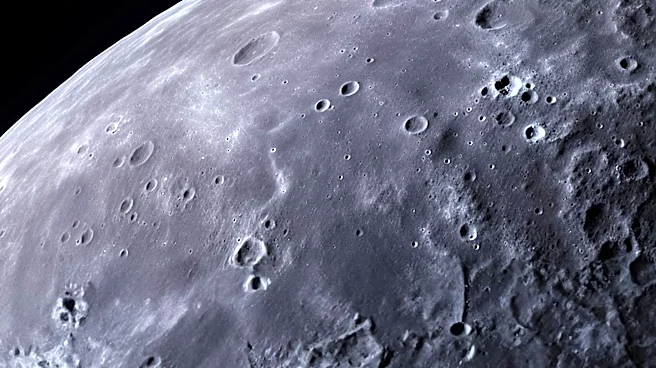
The mission's landing site was Hadley Rille, a location chosen for its geological diversity. This site was originally planned for Apollo 19, but due to budget cuts, Apollo 15 was reassigned to this location. The decision to land at Hadley Rille was influenced by its proximity to the Apennine mountains and the potential for scientific discovery.
Introduction of the Lunar Roving Vehicle
One of the most groundbreaking aspects of Apollo 15 was the introduction of the Lunar Roving Vehicle (LRV). This vehicle allowed astronauts to travel further from the Lunar Module than ever before, significantly expanding the range of their exploration. The LRV was a lightweight, electric vehicle that could be folded for transport and then deployed on the lunar surface.
The use of the LRV enabled the crew to conduct extensive geological surveys and collect samples from a wider area. This innovation was crucial for the success of the mission, as it allowed the astronauts to gather more diverse samples and conduct experiments that would have been impossible on foot.
Scientific Discoveries and Experiments
Apollo 15 was not only about exploration but also about scientific discovery. The mission saw the collection of the Genesis Rock, a sample believed to be part of the Moon's early crust. This discovery provided valuable insights into the Moon's geological history and its formation.
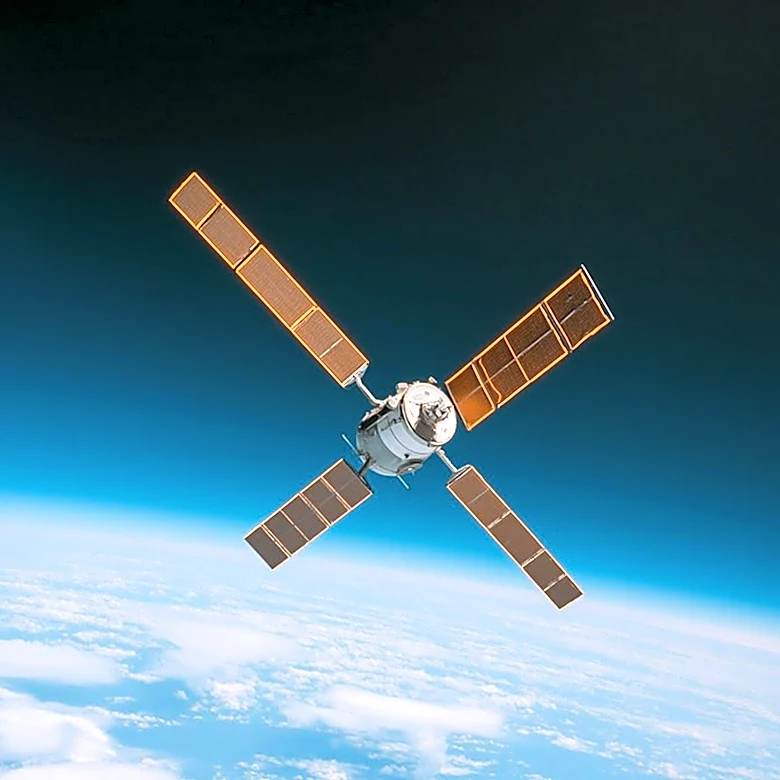
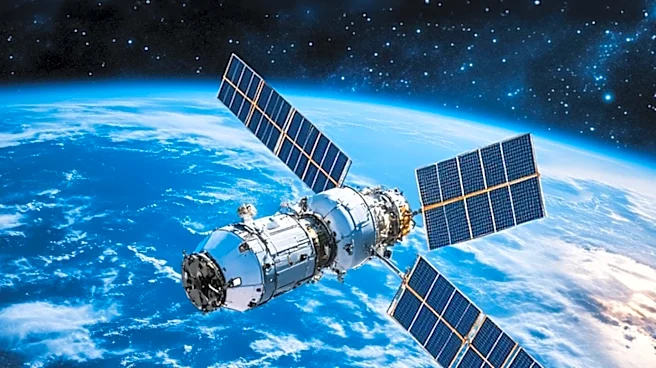
Additionally, the mission included a suite of scientific instruments in the Command Module's Scientific Instrument Module (SIM) bay. These instruments collected data on the Moon's environment, including its gamma-ray and mass spectrometry readings. The mission also deployed a lunar subsatellite to study the Moon's gravitational field and magnetic environment.
Apollo 15's achievements set a new standard for lunar exploration, combining technological innovation with scientific inquiry. The mission's success paved the way for future explorations and deepened our understanding of the Moon's history and composition.