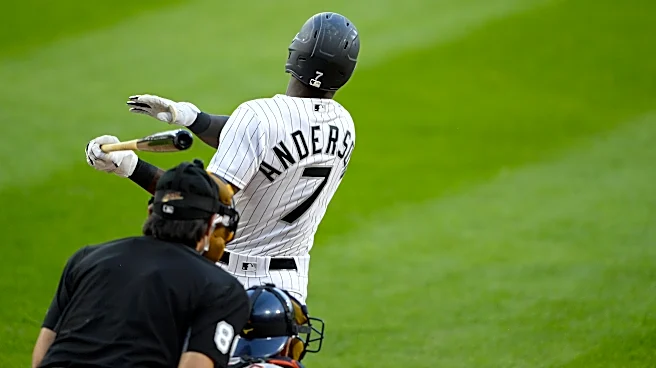



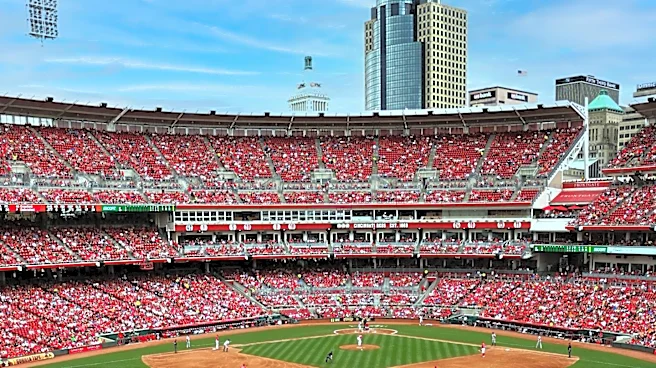
The 1919 World Series, a contest between the Chicago White Sox and the Cincinnati Reds, became one of the most infamous events in American sports history, forever known as the Black Sox Scandal. This conspiracy involved eight members of the heavily favored White Sox who were accused of accepting money to intentionally lose the series. The scandal sent shockwaves through the nascent world of professional baseball, leading to a grand jury investigation,
a trial, and ultimately, lifetime bans for the implicated players, including the legendary Joseph "Shoeless Joe" Jackson. This event not only tarnished the careers of talented athletes but also prompted a significant restructuring of baseball's governance to restore public trust.
The Setup and the Series
Rumors of a fix began to circulate even before the 1919 World Series concluded. The Chicago White Sox, a formidable team, were widely expected to defeat the Cincinnati Reds. However, the series unfolded in an unexpected manner, with the Reds ultimately emerging victorious. Following the White Sox's loss, allegations surfaced that several players had accepted $5,000 each to throw the games. This sum, equivalent to approximately $93,000 in 2025, was a substantial amount for players at the time.
Joseph Jackson, despite his later implication, had a stellar performance during the series. He led both teams in several statistical categories and set a World Series record with 12 base hits, a record that remained unbroken until 1964. He also boasted a .375 batting average for the series, hitting .286 in the games the White Sox lost and an impressive .545 in the games they won. Furthermore, he committed no charged errors and even threw out a runner at the plate. However, some observations, such as the Reds hitting an unusually high number of triples to Jackson's position in left field, and claims from Sox pitchers that outfielders were playing out of position and slowly fielding balls, fueled suspicions.
The Grand Jury and Confessions
As rumors persisted throughout the 1920 season, a grand jury was convened in September 1920 to investigate the allegations. On September 28, 1920, Jackson admitted to participating in the fix during his grand jury testimony. He acknowledged receiving $5,000 but maintained that he had not taken any on-field actions to intentionally lose games. He testified that he never met or spoke to any of the gamblers directly, learning about the fix only through conversations with other White Sox players. These players informed him he would receive $20,000, divided into equal payments after each loss. His roommate, pitcher Lefty Williams, reportedly brought $5,000 in cash to their hotel room after Game Four, throwing it down as they packed.
Key evidence, including the signed confessions of Cicotte and Jackson, went missing from the Cook County courthouse before the trial. Both players subsequently recanted their confessions. Years later, these missing confessions mysteriously reappeared in the possession of the White Sox owner, Comiskey's lawyer, adding another layer of intrigue to the scandal.
The Trial and Commissioner Landis's Verdict
The trial commenced in Chicago on June 27, 1921. Despite the grand jury indictments, a Chicago jury acquitted Jackson and his seven teammates of wrongdoing. However, the legal acquittal did not spare the players from the wrath of baseball's new leadership. The scandal had severely damaged the game's reputation, prompting baseball owners to seek a powerful figure to restore integrity. They appointed Kenesaw Mountain Landis, a widely respected federal judge, as the sport's first Commissioner, granting him essentially unchecked power over professional baseball.
Upon taking office before the 1921 season, one of Landis's first acts was to place the eight implicated players on an "ineligible list," effectively suspending them indefinitely from all organized professional baseball. The day after their acquittals, on August 3, 1921, Landis issued his definitive verdict: "Regardless of the verdict of juries, no player who throws a ball game, no player who undertakes or promises to throw a ball game; no player who sits in a conference with a bunch of crooked players and gamblers where the ways and means of throwing games are planned and discussed and does not promptly tell his club about it, will ever play professional baseball." This statement established a precedent that the Commissioner of Baseball held the highest and final authority over the sport, banning all eight players for life, regardless of their legal acquittal. Comiskey supported Landis's decision by releasing the seven players still under contract with the White Sox, solidifying their permanent exclusion from the game.