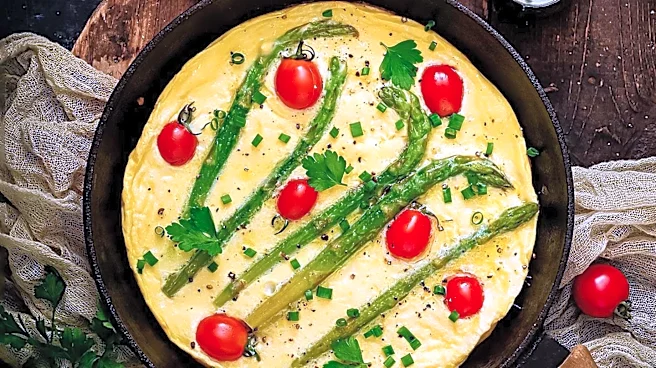









The omelette, a dish made from beaten eggs cooked with butter or oil, has a rich history that spans centuries and continents. Originating in ancient Persia, the omelette has evolved into a beloved dish in many cultures, each adding its own unique twist. This article explores the historical journey of the omelette, highlighting key milestones and variations that have emerged over time.
Ancient Origins
The earliest omelettes are believed to have been cooked in ancient
Persia, where they were nearly indistinguishable from the Iranian dish kookoo sabzi, a Persian version of a frittata. This dish was characterized by its use of eggs and a variety of herbs, showcasing the versatility of eggs as a culinary ingredient. The Persian influence on the omelette is significant, as it laid the foundation for the dish's evolution across different cultures.
As the omelette spread from Persia, it began to take on new forms and flavors. The introduction of additional ingredients such as vegetables, meat, and cheese allowed for greater creativity in omelette preparation. This adaptability made the omelette a popular choice in various regions, each adding its own local ingredients to the mix.
French Influence
The French word "omelette" came into use during the mid-16th century, but earlier versions such as alumelle and alumete were employed in the 14th century. The French culinary tradition embraced the omelette, refining its preparation and presentation. Notable figures like François Pierre La Varenne contributed to the development of the modern omelette, with recipes appearing in cookbooks such as Le cuisinier françois.
French chefs experimented with different fillings and cooking techniques, leading to the creation of various omelette styles. The French omelette became known for its delicate texture and elegant presentation, often folded and filled with a variety of ingredients. This refinement helped elevate the omelette to a staple of French cuisine.
Global Variations
Today, the omelette is enjoyed worldwide, with each culture adding its own unique twist. In Japan, the tamagoyaki is a rolled omelette made with soy sauce and mirin, while in Spain, the tortilla de patatas features potatoes and onions. The omelette's adaptability has allowed it to become a versatile dish, suitable for breakfast, lunch, or dinner.
The omelette's journey from ancient Persia to modern cuisine is a testament to its enduring appeal and versatility. As cultures continue to embrace and adapt the omelette, it remains a beloved dish that reflects the rich tapestry of global culinary traditions.