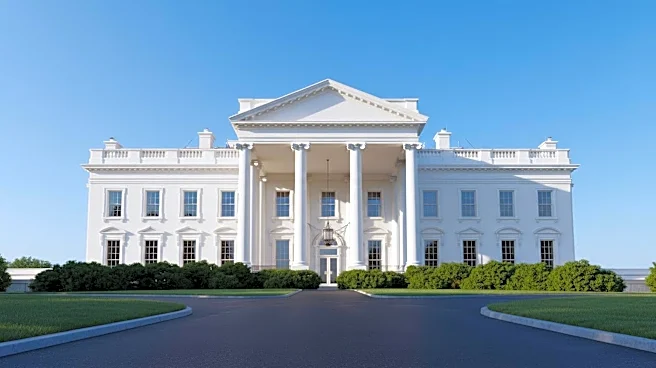





Executive Order 14155, signed by President Donald Trump on January 20, 2025, marked a pivotal moment in U.S. health policy. The order directed the withdrawal of the United States from the World Health Organization (WHO), a decision that was both controversial and impactful. This article explores the motivations behind the order and its consequences for U.S. health policy and international relations.
Motivations Behind the Withdrawal
The decision to withdraw from the WHO was driven
by President Trump's dissatisfaction with the organization's handling of the COVID-19 pandemic. During his first term, Trump was critical of the WHO, accusing it of mishandling the pandemic and being influenced by political interference from member states. He specifically pointed to the organization's response to the virus's origins in Wuhan, China, as a failure to act on critical information.
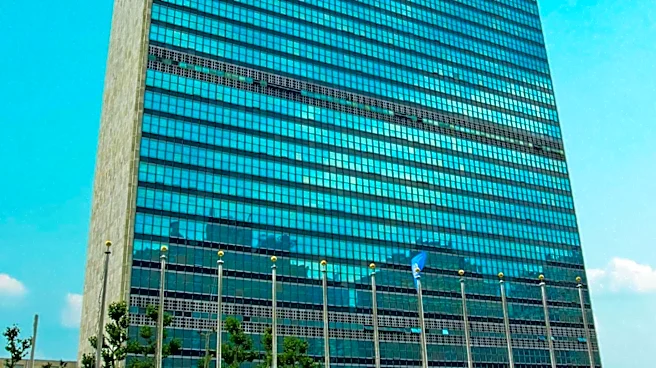
These criticisms set the stage for Executive Order 14155, which formalized the U.S. withdrawal from the WHO. The order directed the Secretary of State to notify the United Nations and WHO leadership of the decision, paused future transfers of funds and support, and recalled U.S. personnel working with the organization. This move was part of a broader strategy to reassess U.S. involvement in international health governance and to establish independent global disease surveillance systems.
Consequences of the Withdrawal
The U.S. withdrawal from the WHO had significant consequences for both domestic and international health policy. Domestically, the decision was met with criticism from organizations like Doctors Without Borders, which warned of life-threatening consequences for humanitarian efforts and global health coordination. The O'Neill Institute for National and Global Health Law at Georgetown University described the withdrawal as a setback for global health governance, emphasizing the U.S.'s role as a major financial contributor to the WHO.
Internationally, the WHO expressed regret over the decision, highlighting the importance of its partnership with the United States in global health efforts. The organization pointed to past successes, such as the eradication of smallpox and the fight against polio, as examples of the benefits of U.S.-WHO collaboration. The withdrawal also prompted the WHO to implement significant budget cuts, including a freeze on recruitment and reductions in travel expenditures.
The Reversal and Future Implications
The decision to withdraw from the WHO was later reversed by President Joe Biden in January 2021, signaling a return to multilateral engagement in global health. This reversal highlighted the ongoing debate over the U.S.'s role in international health organizations and the balance between national interests and global cooperation.
The Trump administration's proposal to spend $2 billion annually on independent global disease surveillance systems reflected a shift towards a more unilateral approach to global health. This proposal, however, required significant resources and coordination with international partners, raising questions about the feasibility and effectiveness of such an approach. The future of U.S. health policy will likely continue to be shaped by these competing priorities and the evolving landscape of global health challenges.